🦋 What is a Butterfly Jatropha? Complete Guide
Jatropha integerrima
By the Greg Editorial Team
Feb 02, 2025•11 min read
This article was created with the help of AI so we can cover more plants for you. May contain errors. See one? Report it here.
Create a butterfly paradise 🌼 with the vibrant and resilient Butterfly Jatropha in your garden! 🌱
- 🌞 Butterfly Jatropha needs at least six hours of sunlight for optimal growth.
- 🌱 Plant in well-draining soil with a pH of 6.0 to 7.0 for health.
- ⚠️ All parts are toxic to humans and pets; handle with caution!
How to Grow
🌞 Choosing a Location
To thrive, Butterfly Jatropha needs full sun exposure, ideally basking in at least six hours of sunlight daily. When deciding between outdoor and container growing, consider the space and light availability; both options can yield beautiful results.
🏗️ Soil Preparation
The right soil is crucial for healthy growth. Aim for well-draining sandy or loamy soil, with a pH level that ranges from slightly acidic to neutral (6.0 to 7.0) for optimal conditions.
🌱 Planting Techniques
Timing is everything when it comes to planting. The best time to plant your Butterfly Jatropha is in spring or early summer, ensuring you dig a hole that is 2-3 times the size of the root ball for proper establishment.
💧 Watering Requirements
Initially, water your plant regularly until it’s well-established. After that, allow the soil to dry out between waterings to prevent overwatering, which can lead to root issues.
🥦 Fertilizing Schedule
During the growing season, fertilize every 4-6 weeks to keep your plant healthy. A balanced NPK fertilizer will provide the necessary nutrients for robust growth.
✂️ Pruning Methods
Pruning is essential for maintaining the health of your Butterfly Jatropha. Late winter or early spring is the ideal time to remove any dead or damaged branches, promoting new growth.
👀 Ongoing Care Tips
Keep an eye out for pests and diseases that may affect your plant. Adjust your watering routine based on seasonal changes to ensure your Butterfly Jatropha remains vibrant and healthy.
With these guidelines, you’re well on your way to cultivating a thriving Butterfly Jatropha. Next, let’s explore how to propagate this beautiful plant effectively.
Propagation
🌱 Methods of Propagation
Butterfly Jatropha can be propagated through two primary methods: seeds and cuttings. Both methods are effective, but they cater to different preferences and gardening styles.
🌾 Propagating from Seeds
Starting with seeds is a straightforward process.
- Soak the Seeds: Begin by soaking the seeds in water for 24 hours. This helps to soften the seed coat and encourages germination.
- Planting: After soaking, plant the seeds about 1/2 inch deep in a seed-starting mix.
- Moisture Maintenance: Keep the soil moist until germination occurs, which typically takes 7-14 days.
This method is easy and ideal for beginners looking to grow new plants from scratch.
✂️ Propagating from Cuttings
If you prefer a quicker route, taking cuttings is a great option.
- Select Healthy Stems: Choose 4-6 inch healthy stems from the parent plant.
- Prepare the Cutting: Remove the lower leaves to expose the stem and dip it in rooting hormone to promote root growth.
- Planting: Place the cutting in well-draining soil and keep it moist until roots develop.
This method requires a bit more skill but can yield results faster than starting from seeds.
🏁 Conclusion
Both propagation methods offer unique advantages, allowing you to choose based on your gardening style. Whether you opt for seeds or cuttings, you'll be on your way to cultivating beautiful Butterfly Jatropha plants in no time!
Lifecycle
🌱 Overview of Lifecycle Stages
The lifecycle of a Butterfly Jatropha is fascinating and unfolds in distinct stages. It begins with germination, which takes about 7-14 days for seeds to sprout.
Next comes the seedling stage, lasting 4-6 weeks until the plant develops true leaves. Following this, the vegetative growth phase kicks in, where the plant experiences rapid growth for several months.
Flowering typically begins in late spring and continues into summer, leading to seed production after the flowering phase.
⏳ Duration Until Maturity
From seed to full maturity, the Butterfly Jatropha takes approximately 1-2 years. This timeframe allows the plant to establish itself and thrive in its environment.
⚡ Growth Speed and Lifespan
The growth rate of Butterfly Jatropha can be moderate to fast, depending on the conditions it’s grown in. Under optimal circumstances, you can expect the plant to live between 5-10 years, providing beauty and ecological benefits throughout its lifespan.
This lifecycle not only highlights the resilience of the Butterfly Jatropha but also its potential to enhance your garden. As we move forward, let’s explore how to propagate this remarkable plant effectively.
Size
Mature Height and Spread 🌱
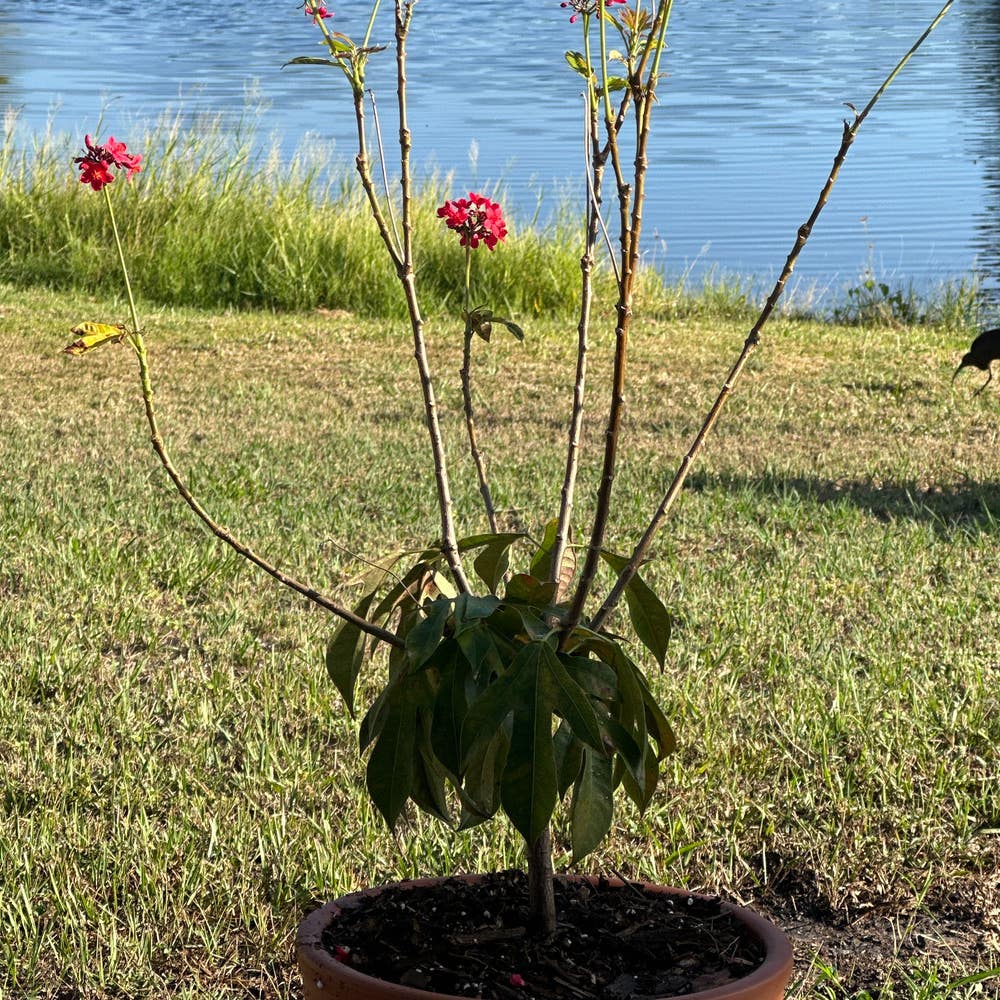
The Butterfly Jatropha can reach a mature height of 3 to 10 feet, making it a versatile addition to any garden. Its spread typically ranges from 3 to 6 feet, providing a lush, vibrant presence.
Growth Rate and Size Variability 📏
Several factors influence the size of your Butterfly Jatropha. Soil quality, sunlight exposure, and water availability play crucial roles in determining how tall and wide your plant will grow.
Impact of Growing Conditions on Size 🌍
Growing conditions significantly affect the size of your Butterfly Jatropha. For instance, plants grown in containers often remain smaller due to limited root space compared to those planted directly in the ground, where they can spread more freely.
Understanding these size dynamics can help you make informed decisions about where to plant your Butterfly Jatropha. Whether you choose a container or garden bed, you can enjoy the beauty of this remarkable plant.
Roots
Characteristics of the Root System 🌱
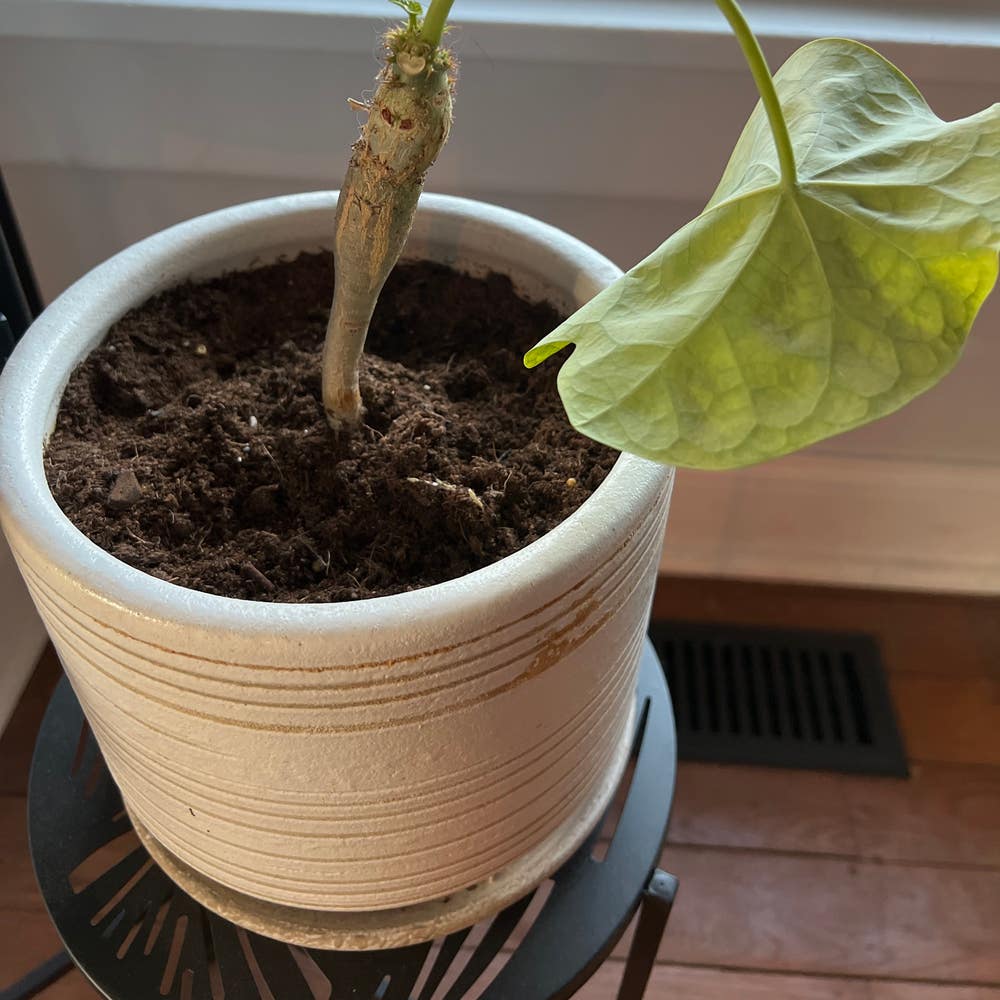
The Butterfly Jatropha features a fibrous root system that is both shallow and extensive. This allows the plant to absorb nutrients efficiently while spreading out to stabilize itself in various soil conditions.
Common Root-Related Issues 🚫
One of the most common problems you might encounter is root rot, which typically arises from overwatering. Healthy roots should feel firm and appear white, while unhealthy roots will be brown and mushy, signaling a need for immediate attention.
Recognizing Rootbound Plants and Solutions 🔄
If you notice roots growing out of the drainage holes, your plant is likely rootbound. To remedy this, consider repotting into a larger container or pruning the roots to encourage new growth and prevent stunting.
Understanding the root system of your Butterfly Jatropha is crucial for its overall health. By keeping an eye on these aspects, you can ensure your plant thrives and flourishes. Next, let’s explore the various benefits this plant offers to your garden and the environment.
Benefits
Top 5 Benefits 🦋
The Butterfly Jatropha is not just a pretty face in the garden; it offers a range of benefits that make it a worthwhile addition.
Attracts Butterflies and Pollinators: Its vibrant flowers are a magnet for butterflies and bees, enhancing your garden's biodiversity.
Drought-Tolerant Once Established: This plant thrives in dry conditions, making it an excellent choice for low-maintenance gardens.
Ornamental Value with Vibrant Flowers: The striking blooms add a splash of color, making it a beautiful focal point in any landscape.
Potential Medicinal Properties: Some cultures utilize parts of the plant for traditional remedies, showcasing its versatility beyond aesthetics.
Acts as a Natural Deterrent for Some Herbivores Due to Toxicity: The toxicity of the plant can help keep unwanted animals at bay, protecting your garden.
Symbolism and Cultural Significance 🌍
The Butterfly Jatropha carries cultural weight in various traditions.
In many regions, it is used in traditional medicine, highlighting its importance beyond mere decoration. Additionally, its vibrant presence in ornamental gardens symbolizes beauty and resilience, making it a cherished plant in diverse landscapes.
With these benefits, the Butterfly Jatropha not only enhances your garden's appeal but also contributes to ecological health and cultural practices. As we explore the next section on companion planting, consider how this plant can work harmoniously with others to create a thriving garden ecosystem.
Companion Plants
🌱 Concept of Companion Planting
Companion planting is a gardening strategy that enhances biodiversity and promotes healthier plants. By pairing compatible species, you can improve pest management and create a more vibrant garden ecosystem.
🌼 Best Companion Plants
When growing Butterfly Jatropha, consider these excellent companions:
- Marigolds: These bright flowers act as natural pest repellents, keeping harmful insects at bay.
- Lantana: With similar care needs, Lantana thrives alongside Butterfly Jatropha, adding color and attracting pollinators.
🚫 Plants to Avoid
Be cautious of planting alongside other toxic species. These plants can compete for resources and may pose additional risks to pets and children. Avoid mixing Butterfly Jatropha with plants like Oleander or other toxic varieties that could lead to confusion or harm.
Incorporating the right companions can significantly enhance your gardening experience. With thoughtful planning, you can create a thriving environment for your Butterfly Jatropha while keeping pests in check. Next, let’s explore the toxicity of Butterfly Jatropha to humans and pets, ensuring you’re well-informed about its potential risks.
Toxicity to Humans
Toxic Parts 🐍
All parts of the Butterfly Jatropha plant are toxic, with the sap and seeds being particularly dangerous. This toxicity is a crucial consideration for anyone handling or planting this species.
Symptoms of Poisoning 🤢
If ingested, common symptoms include nausea, vomiting, diarrhea, abdominal pain, and dizziness. These reactions can vary in severity, making awareness essential.
How Poisoning Can Occur ⚠️
Poisoning can occur through ingestion of the plant parts or exposure to its sap. Even casual contact can lead to adverse effects, so caution is key.
When to Seek Medical Care 🚑
Immediate medical attention is necessary if severe symptoms arise or if ingestion occurs. It's better to be safe and consult a healthcare professional in such cases.
Understanding the toxicity of Butterfly Jatropha is vital for safe gardening and enjoyment of this beautiful plant. Next, let’s explore its toxicity to pets, particularly dogs.
Toxicity to Dogs
Toxic Parts 🐶
All parts of the Butterfly Jatropha plant are toxic to dogs, with the leaves and seeds being particularly harmful. It's crucial to be aware of this if you have pets that roam freely in your garden.
Symptoms of Poisoning 🤢
If a dog ingests any part of the plant, you may notice signs such as drooling, vomiting, diarrhea, or weakness. These symptoms can vary in severity, so it's essential to monitor your pet closely.
Prevention Measures 🚫
To keep your furry friends safe, supervise their outdoor time and consider removing the Butterfly Jatropha from your garden. Creating a pet-friendly environment is key to preventing accidental ingestion and ensuring their well-being.
By taking these precautions, you can enjoy your garden while keeping your pets safe from potential harm.
Toxicity to Cats
Toxic Parts 🐱
All parts of the Butterfly Jatropha plant are toxic to cats, with the sap being particularly harmful. This means that even a small nibble can pose a risk to your feline friend.
Symptoms of Poisoning 🤢
If a cat ingests any part of this plant, you might notice signs like drooling, vomiting, diarrhea, or weakness. These symptoms can escalate quickly, so it's essential to keep an eye on your pet.
Prevention Measures 🚫
To keep your cat safe, consider keeping them indoors, especially if you have Butterfly Jatropha in your garden. Additionally, supervising outdoor time can help prevent any accidental encounters with this toxic plant.
By being proactive, you can ensure your cat enjoys a safe and healthy environment. If you suspect your cat has ingested any part of the Butterfly Jatropha, seek veterinary care immediately.
None
Bugs
🐛 Potential Pest Issues
Butterfly Jatropha plants are generally pest-resistant, making them a resilient choice for gardeners. However, they can still be affected by certain pests that may compromise their health.
🔍 Identification and Damage
Common pests that target Butterfly Jatropha include spider mites, aphids, and mealybugs. These pests can cause noticeable damage, such as leaf discoloration and stunted growth, which can hinder your plant's overall vitality.
🧴 Effective Treatment Options
To combat these pests, consider using insecticidal soap or neem oil, both of which are effective and environmentally friendly. Manual removal of pests can also be a practical approach, especially for smaller infestations.
By keeping an eye on your plants and acting quickly at the first sign of trouble, you can maintain a healthy and thriving Butterfly Jatropha. Next, let’s explore what animals might be interested in munching on your beautiful plant.
What Eats
🦌 Common Animals
Butterfly Jatropha can attract a variety of wildlife, which may pose a threat to its health. Common culprits include deer, rabbits, squirrels, and birds, all of which may find the plant's foliage appealing.
🚨 Signs of Damage
Identifying damage early can save your plant from serious harm. Look for signs such as chewed leaves, droppings around the base, and tracks in the soil, which indicate that animals are feasting on your Butterfly Jatropha.
🛡️ Deterrent Methods
To protect your plant, consider implementing several deterrent methods.
- Fencing: Installing a fence can physically block larger animals like deer and rabbits from accessing your plants.
- Repellents: Use chemical or organic repellents to deter pests. Many commercial options are available, or you can create your own using natural ingredients.
- Companion Planting: Planting alongside species that repel unwanted animals can also be effective. For instance, marigolds can deter certain pests while enhancing the overall garden's health.
By employing these strategies, you can help ensure your Butterfly Jatropha thrives despite the presence of hungry wildlife. Now that you know how to protect your plant, let’s explore the common problems that can arise during its growth.
⚠️ Safety First
This content is for general information and may contain errors, omissions, or outdated details. It is not medical, veterinary advice, or an endorsement of therapeutic claims.
Always consult a qualified healthcare professional before using any plant as food, medicine, or supplement.
Never eat any plant (or feed one to pets) without confirming its identity with at least two trusted sources.
If you suspect poisoning, call Poison Control (800) 222-1222, the Pet Poison Helpline (800) 213-6680, or your local emergency service immediately.
Spotted an error? Please report it here.
Transform your garden into a pollinator paradise 🦋 with Greg's tailored care tips and watering reminders, ensuring your Butterfly Jatropha thrives beautifully!