💡 4 Secrets to Thriving Indoor Peregrina
Jatropha integerrima
By the Greg Editorial Team
Nov 24, 2024•6 min read
This article was created with the help of AI so we can cover more plants for you. May contain errors. See one? Report it here.
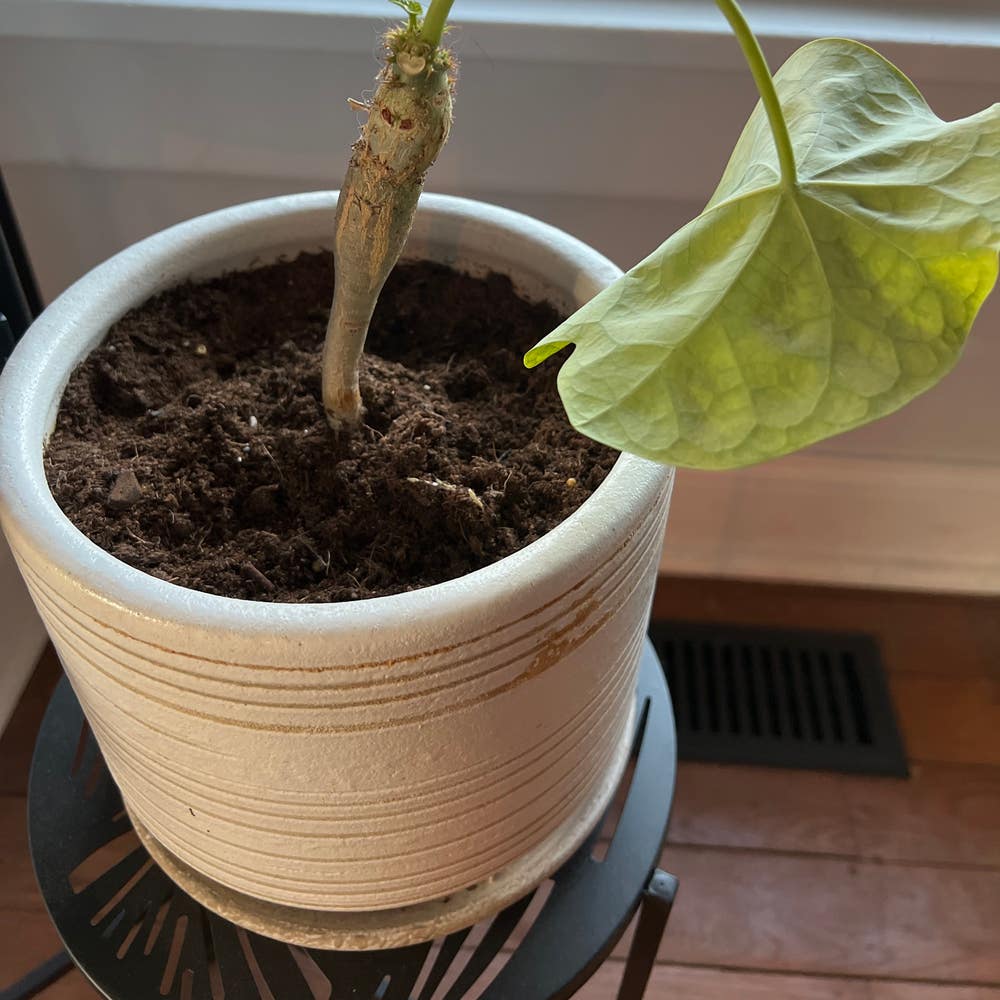
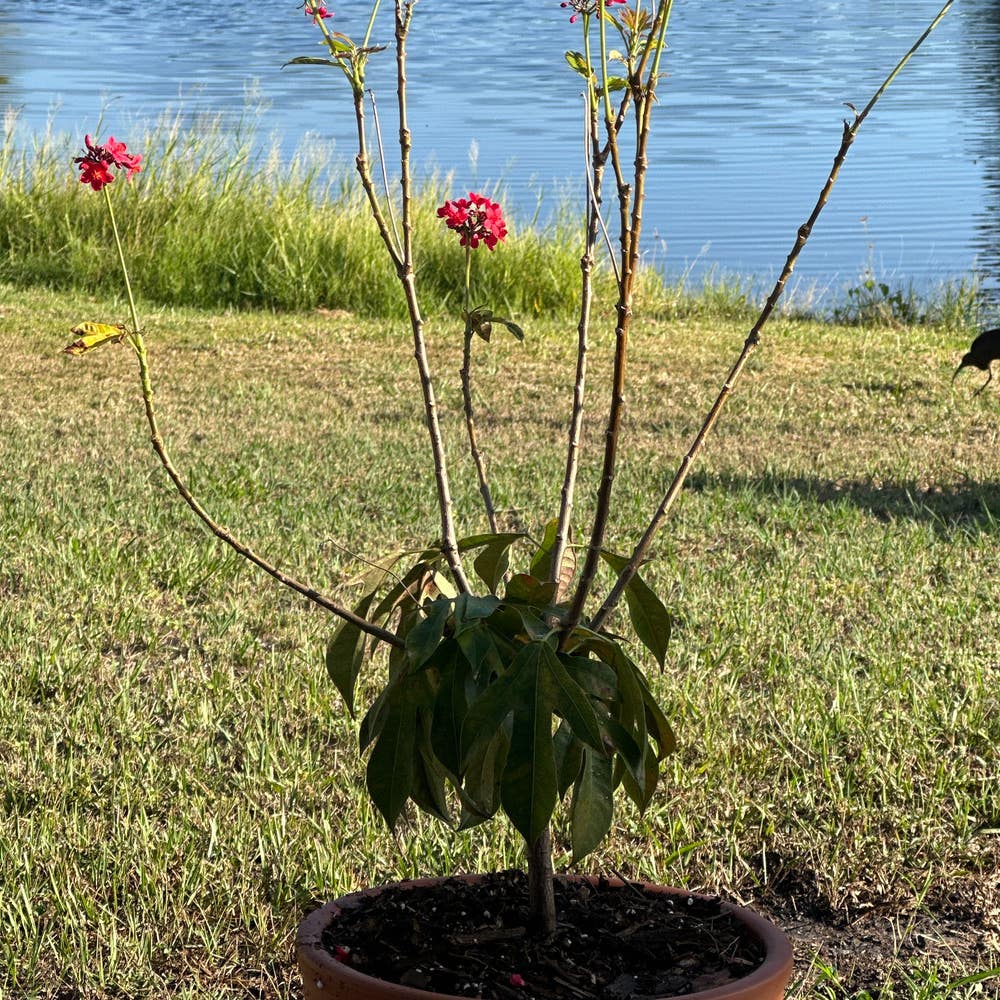
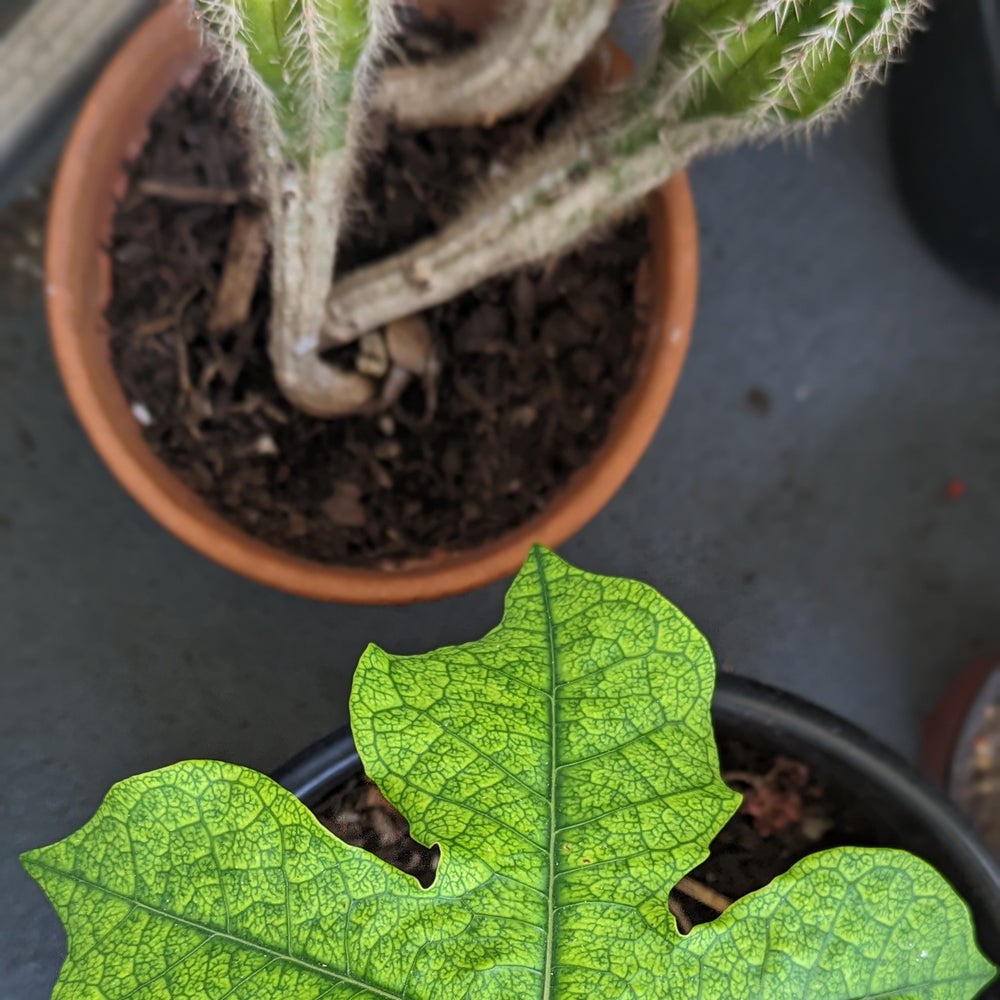
Elevate your indoor oasis 🌿 by mastering the care of your thriving peregrina plant with these essential tips!
- 🌞 Bright, indirect sunlight for 6-8 hours is crucial for indoor peregrina health.
- 💧 Water consistently; let top soil dry out to prevent yellowing and drooping leaves.
- 🌿 Maintain humidity between 50-70% for optimal growth and to avoid leaf curling.
Light Requirements
Ideal Light Conditions 🌞
To thrive, your indoor peregrina needs bright, indirect sunlight for about 6-8 hours each day. While it can tolerate lower light levels, be aware that this may hinder its flowering potential.
Role of Grow Lights 💡
When natural light falls short, grow lights become essential. They supplement light, especially in dim conditions, ensuring your plant gets the energy it needs to flourish.
Choosing the Best Grow Light 🛠️
When selecting a grow light, consider several key factors:
Light Spectrum
Opt for full-spectrum lights to promote balanced growth. These lights mimic natural sunlight, providing the wavelengths your plant craves.
Wattage
For small to medium-sized plants, a wattage range of 20-40 watts is ideal. This ensures your peregrina receives adequate energy without overwhelming it.
Height and Distance
Position your grow lights 12-24 inches above the plant. This distance helps prevent leaf burn while ensuring your plant benefits from the light.
With the right light conditions and grow lights, your indoor peregrina will be well on its way to thriving. Next, let’s explore its watering needs to keep it healthy and vibrant.
Watering Needs
Frequency and Method 🌊
To keep your indoor Peregrina thriving, establish a consistent watering schedule. Allow the top 1-2 inches of soil to dry out between waterings, ensuring the roots have access to oxygen.
When you do water, do it thoroughly. Water until it drains from the bottom of the pot, which helps prevent dry pockets and ensures even moisture distribution.
Signs of Overwatering and Underwatering 🚨
Recognizing the signs of overwatering is crucial for your plant's health. Look for yellowing leaves, wilting, and root rot, which can indicate that your plant is drowning.
On the flip side, underwatering can also cause distress. If you notice drooping leaves, dry soil, or leaf drop, it’s time to give your Peregrina a drink.
Understanding these watering needs will set you on the right path to nurturing a vibrant indoor plant. Next, let’s explore how humidity and temperature control can further enhance your Peregrina’s growth.
Humidity and Temperature Control
Ideal Humidity Levels 🌧️
For your indoor peregrina to thrive, aim for humidity levels between 50-70%. This range promotes lush growth and vibrant foliage.
Low humidity can lead to leaf curling and browning tips, signaling that your plant is not happy. Keeping an eye on humidity is crucial for maintaining its health.
Temperature Range 🌡️
The ideal temperature for your peregrina is between 65°F to 85°F (18°C to 29°C). This range supports optimal growth and flowering.
Be cautious of temperature extremes; avoid placing your plant near drafts or areas with sudden temperature changes. Consistency is key to keeping your plant thriving.
Tips for Maintaining Humidity 💧
To boost humidity, consider these effective methods:
- Humidifiers: These devices can maintain a consistent moisture level in the air.
- Pebble Trays: Place a tray filled with pebbles and water under your plant pot. As the water evaporates, it increases humidity around the plant.
- Grouping Plants: Positioning your plants close together can create a microclimate, enhancing humidity levels naturally.
By implementing these strategies, you can create a comfortable environment for your peregrina, ensuring it flourishes beautifully.
As you focus on humidity and temperature, remember that the next step involves understanding the soil and fertilization needs of your plant.
Soil and Fertilization
Best Soil Type 🌱
To give your indoor peregrina the best chance to thrive, start with a well-draining potting mix. Adding perlite or sand enhances drainage, preventing root rot and ensuring healthy growth.
The ideal soil pH for your plant should be slightly acidic to neutral, ranging from 6.0 to 7.0. This pH level promotes nutrient availability, allowing your peregrina to absorb what it needs to flourish.
Fertilization Schedule 🥦
During the growing season, fertilize your plant every 4-6 weeks. This regular feeding supports robust growth and vibrant foliage.
For fertilization, opt for a balanced liquid fertilizer with an NPK ratio of 10-10-10 or slow-release granules. Both options provide essential nutrients that keep your peregrina healthy and thriving.
With the right soil and fertilization practices, your indoor peregrina will be well-equipped to grow strong and beautiful. Next, let’s explore how to tackle common issues that may arise in your plant care journey.
Common Issues and Solutions
🐜 Common Pests
Indoor peregrina plants can face pest challenges, with spider mites and aphids being the most common culprits. Look for signs like webbing, leaf discoloration, and stunted growth to identify an infestation early.
🛡️ Preventative Measures
Regular monitoring is key to keeping your plants healthy. Inspect leaves weekly for any early signs of pests, and consider using natural deterrents like neem oil or insecticidal soap for effective treatment.
🔧 Troubleshooting Growth Problems
Leaf drop can be a distressing issue, often caused by overwatering or low humidity. Address these problems by adjusting your watering schedule and ensuring adequate humidity levels.
Poor flowering can also be a concern, typically stemming from insufficient light or nutrient deficiencies. Ensure your plant receives enough light and consider a balanced fertilizer to boost its growth.
By staying vigilant and proactive, you can keep your indoor peregrina thriving and vibrant. Next, let’s explore the best practices for plant placement and maintenance to further enhance your plant care routine.
Plant Placement and Maintenance
Best Locations 🌅
Finding the right spot for your indoor peregrina is crucial. Ideally, place it near east or west-facing windows to ensure it receives optimal light.
Avoid extremes by steering clear of heating vents and cold drafts. These can stress your plant and hinder its growth.
Tips for Maintenance 🧹
Regular maintenance keeps your peregrina thriving. Prune dead or yellowing leaves to encourage new growth and maintain a healthy appearance.
Additionally, wipe the leaves with a damp cloth to remove dust. This simple act enhances photosynthesis and keeps your plant looking vibrant.
Seasonal Care Adjustments 🍂
As the seasons change, so should your care routine. In winter, reduce watering frequency and keep an eye on temperature fluctuations.
Prepare for summer by increasing humidity levels and checking for pests more often. These adjustments will help your peregrina flourish year-round.
With the right placement and maintenance, your indoor peregrina will not only survive but thrive, bringing beauty and life to your space. Next, let’s explore the soil and fertilization needs to ensure your plant gets the nutrients it craves.
⚠️ Safety First
This content is for general information and may contain errors, omissions, or outdated details. It is not medical, veterinary advice, or an endorsement of therapeutic claims.
Always consult a qualified healthcare professional before using any plant as food, medicine, or supplement.
Never eat any plant (or feed one to pets) without confirming its identity with at least two trusted sources.
If you suspect poisoning, call Poison Control (800) 222-1222, the Pet Poison Helpline (800) 213-6680, or your local emergency service immediately.
Spotted an error? Please report it here.
Unlock your indoor peregrina's full potential 🌿 with Greg's custom care reminders and watering schedules, ensuring it thrives in the perfect light and moisture conditions!