Propagating Your Peregrina: Step-by-Step Guide
Jatropha integerrima
By the Greg Editorial Team
Jan 17, 2024•5 min read
This article was created with the help of AI so we can cover more plants for you. May contain errors. See one? Report it here.
Propagate Peregrina effortlessly with this clear, step-by-step guide—green thumb optional! 🌱📗
- Choose healthy stem cuttings in spring or early summer for best results.
- Root cuttings in water or soil, then water sparingly with bright, indirect light.
- Prevent propagation problems with proper moisture, warmth, and clean tools.
Snip & Grow: Propagating Peregrina from Stem Cuttings
🌱 Choosing Your Champion Cutting
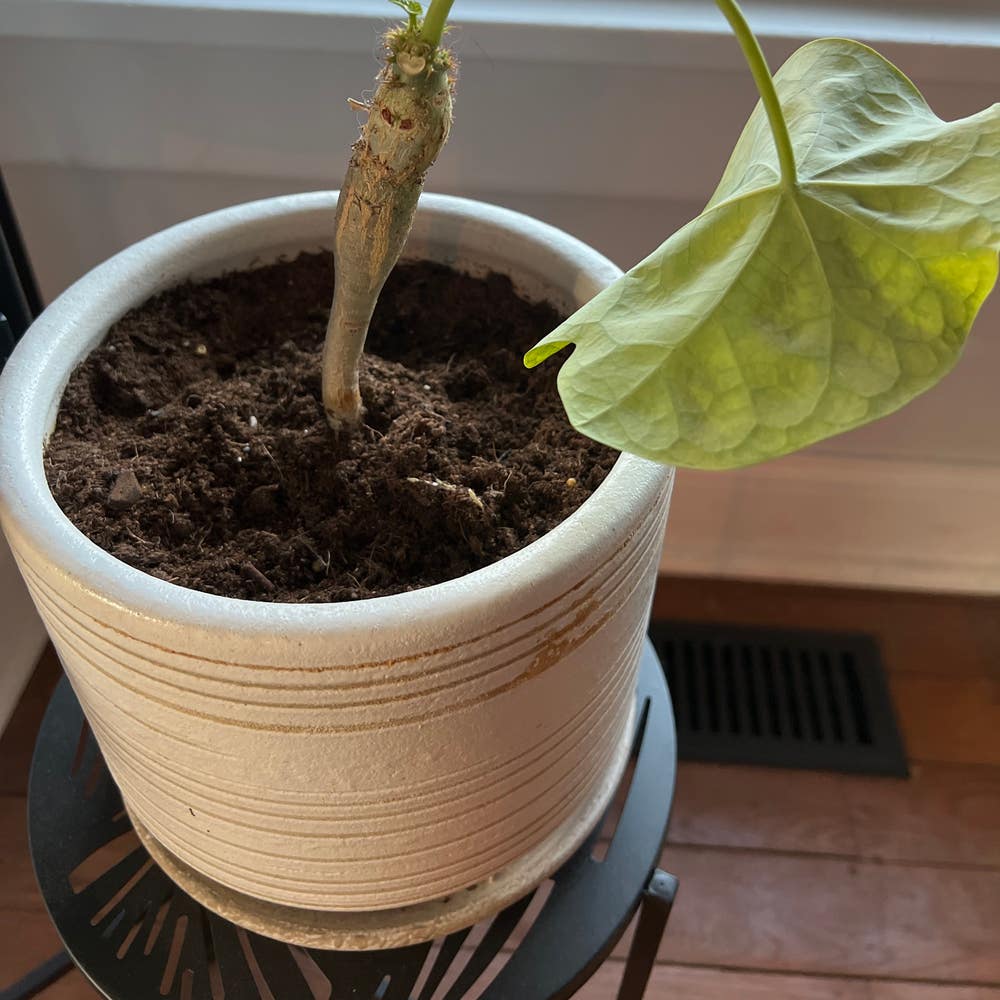
In the quest for propagation success, selecting a healthy stem cutting is like picking a winning lottery ticket. Look for stems that scream vitality—lush green, free from blemishes, and ideally, 4-6 inches long. Make sure it has several leaf nodes, as these are the launch pads for new roots. Snip it right below a node at a 45-degree angle to maximize root-growing real estate.
🕰 The Perfect Time to Snip
Timing isn't just a thing in comedy; it's critical for cuttings too. Aim for spring or early summer, when plants are in their growth prime. Ensure the mother plant is well-hydrated the day before to get the juiciest cutting possible.
🌱 Rooting Your Cutting
Now, let's get those cuttings to sprout roots. You've got two contenders: water or soil. For the water method, plop the cutting in a glass and change the water every few days. If you're team soil, plant the cutting in a pot with a well-draining mix, and consider a rooting hormone to boost your odds. Either way, keep the setup in bright, indirect light and wait for the magic to happen.
🌿 Aftercare for Your New Cuttings
Once your cutting has roots, don't throw a party just yet. Water it like it's a cactus's distant cousin—sparingly. Overwatering is the fast track to rot city. Keep it in bright, indirect light and resist the urge to fiddle with it. Patience is your new best friend.
Seed Route: Sowing the Future of Peregrina
👩🌾 Harvesting Peregrina Gold
Harvesting Peregrina seeds is a delicate dance with timing. Wait for the flowers to fade and seize the seeds as they mature, usually post-bloom. Dryness is your cue; when the seed pods are crisp to the touch, it's go-time.
🌱 Sowing Secrets
Sow seeds in a well-draining mix; think equal parts peat, sand, and a dash of vermiculite. Plant them shallow—seeds need a light cover, not a burial. Consistent moisture and warmth will coax them from their slumber.
🌿 Germination Station
Germination is a game of patience. Create a mini greenhouse effect with plastic wrap to maintain humidity. A warm spot with indirect light is prime real estate for your seed trays. Monitor daily; mold is the enemy of progress.
🌱 Seedling Care
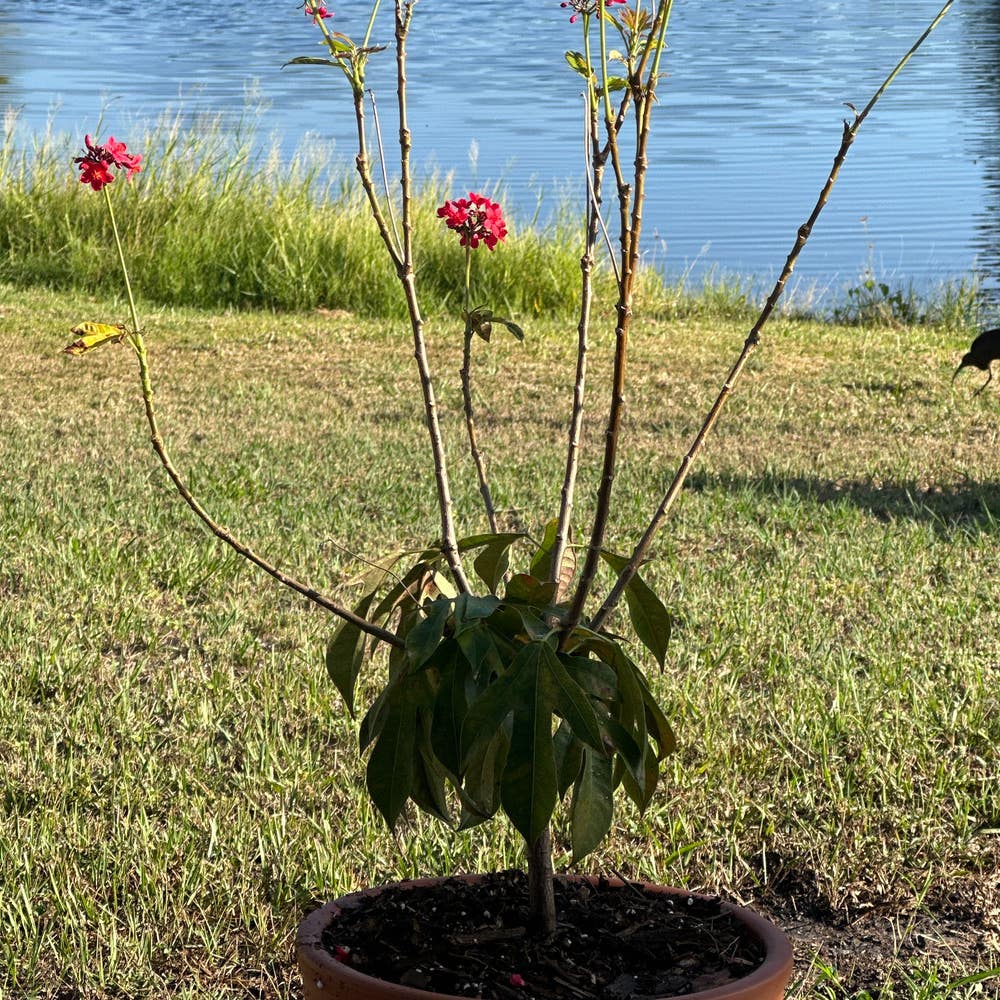
Once sprouted, your Peregrina seedlings demand attention. Gradual acclimatization to the outside world is key. Begin with short stints outdoors, avoiding direct sunlight and harsh winds. Consistent watering and a watchful eye will shepherd them through these tender weeks. Remember, all parts of Peregrina are toxic; handle with care and keep away from pets and children.
Transplanting Your Propagated Peregrina
🏡 Transitioning to a New Home
Moving your Peregrina to its permanent spot is like upgrading from a cozy studio to a sprawling estate. But before you do the plant equivalent of hiring movers, make sure your green buddy is ready for the big shift.
- Acclimate your plant to its new environment gradually. Start by introducing it to the light and temperature conditions it will face in its new home.
- Choose a well-draining soil and a spot that gets full sun to partial shade, as Peregrina loves a good sunbath but appreciates a little afternoon shade.
- When transplanting, be gentle. Think of the roots as fine china—handle with care to avoid breakage.
🌱 The First Few Weeks
The first few weeks are like the honeymoon phase for your plant in its new digs.
- Keep an eye on the watering. Too much love (water) can lead to root rot, while too little can leave your plant high and dry.
- Protect your plant from harsh conditions. If the sun's beating down like a hammer, give your plant a parasol in the form of a temporary shade.
- Watch for new growth—it's a sign your plant is settling in nicely. If leaves drop, don't panic; it's just your plant's way of saying, "I'm adjusting!"
- Resist the urge to fertilize. Let the roots get cozy in their new home first. Think of it as letting the paint dry before moving the furniture in.
Remember, your Peregrina doesn't come with a manual, so stay observant, and you'll learn to read its leaves like a book.
Propagation Pitfalls: Preventing Common Problems
🌱 Stem Cutting Concerns
Rot and non-rooting cuttings can turn your propagation party into a pity party. Root rot is the grim reaper of the propagation world. If your cuttings have roots that resemble overcooked noodles, it's time to take action. Trim the rot and let the healthy parts dry before replanting in well-draining soil. Remember, overwatering is like an express ticket to root rot city.
Avoiding non-rooting cuttings is about creating a cozy environment. Cuttings are like cats; they need warmth and the right light to thrive. Keep them warm, and ensure the light is bright but indirect. If your cuttings are stubbornly rootless, check the temperature and consider a rooting hormone for that extra nudge.
🌱 Seed Sowing Snags
Poor germination and damping off can make seed sowing seem like a game of chance. To boost your odds, ensure your seeds are sown in a quality medium and that all equipment is as sterile as a surgeon's scalpel. Proper ventilation is key—remove those domes and let an oscillating fan gently stir the air.
Overwatering is the archenemy of seedlings. Water from the bottom to keep the soil moist but not swampy, and maintain a consistent temperature. Think of it as setting the stage for a tiny plant nursery—too hot or too cold, and your seedlings will throw a tantrum.
Remember, whether it's stem cuttings or seeds, cleanliness is next to godliness. Keep your tools pristine to prevent introducing any unwanted guests. And always cut close to a node—those are the hotspots for root growth. With these tips, you'll be well on your way to propagation success.
⚠️ Safety First
This content is for general information and may contain errors, omissions, or outdated details. It is not medical, veterinary advice, or an endorsement of therapeutic claims.
Always consult a qualified healthcare professional before using any plant as food, medicine, or supplement.
Never eat any plant (or feed one to pets) without confirming its identity with at least two trusted sources.
If you suspect poisoning, call Poison Control (800) 222-1222, the Pet Poison Helpline (800) 213-6680, or your local emergency service immediately.
Spotted an error? Please report it here.
Propagate Peregrina like a pro by letting Greg guide 🧭 you with tailored reminders for watering, light conditions, and community support for any propagation puzzle!