What Should I Do When Peregrina Leaves Turn Yellow? 🍂
Jatropha integerrima
By the Greg Editorial Team
Jun 18, 2024•3 min read
This article was created with the help of AI so we can cover more plants for you. May contain errors. See one? Report it here.
Turn your Peregrina's frown upside down 🌿—banish yellow leaves with our targeted care guide!
- 🌱 Nutrient deficiencies cause yellowing; soil test before fertilizing.
- 💧 Watering balance is crucial; use finger test or moisture meter.
- ☀️🌡️ Adjust location for light and temperature to prevent stress.
Spotting the Culprits Behind Yellow Leaves
💡 Nutrient Deficiencies: The Silent Yellowing Agents
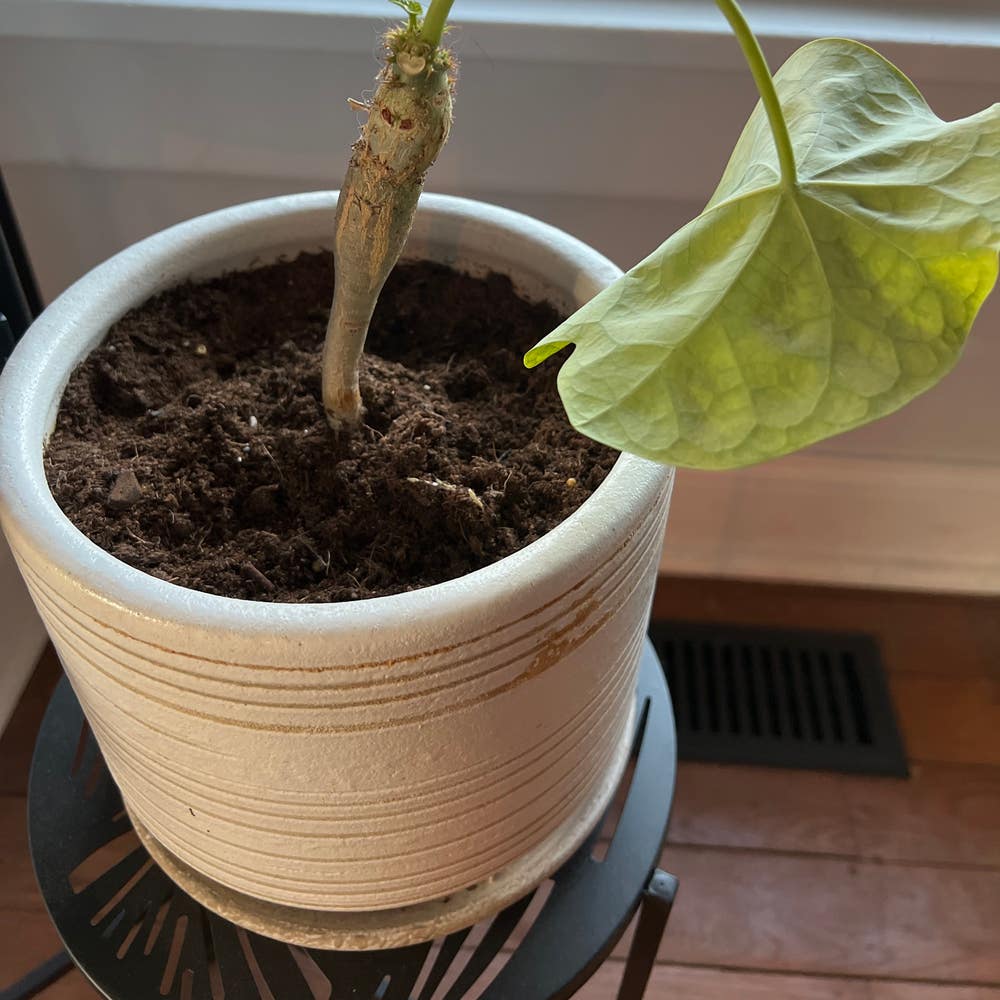
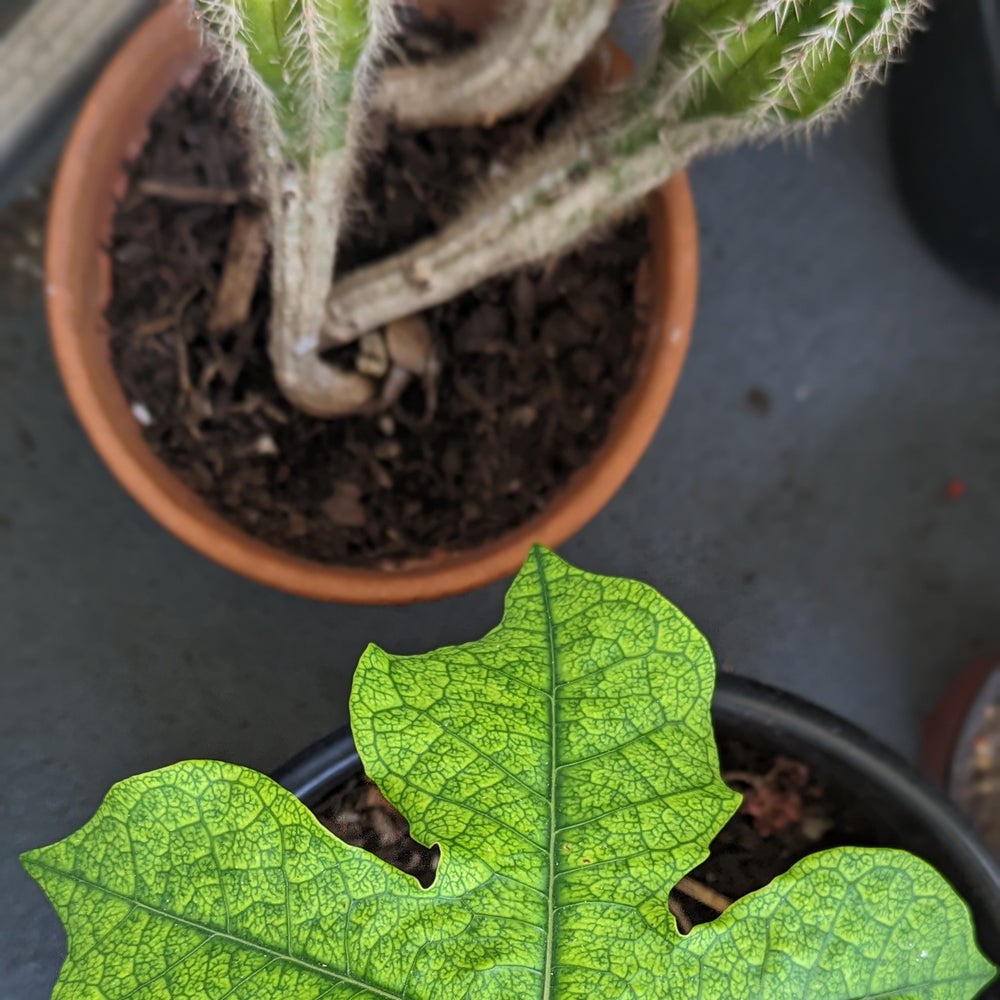
Yellowing leaves on your Peregrina might be shouting for nutrients. Nitrogen deficiency often shows up as uniformly pale leaves. For iron, look for yellowing leaves with green veins, a classic sign of chlorosis. Magnesium shortage? The edges of the leaves will tell you, turning yellow while the center stays green.
Fertilizing is your go-to move. A balanced feed, rich in these elements, can turn things around. But don't just throw fertilizer at the problem—get a soil test to play it smart.
🚰 Water Woes: Too Much or Too Little
Overwatering leaves your Peregrina's leaves yellow and wilted, with a soil that's too soggy. Underwatering? Expect dry, crispy leaves and thirsty, bone-dry soil. Consistency is your new best friend. Water when the top inch of soil feels like a dry martini—just right.
Fine-tune your watering routine. Your Peregrina doesn't need a pool, nor a desert—just a drink when it's parched.
🌞 Environmental Stress: When Conditions Aren't Just Right
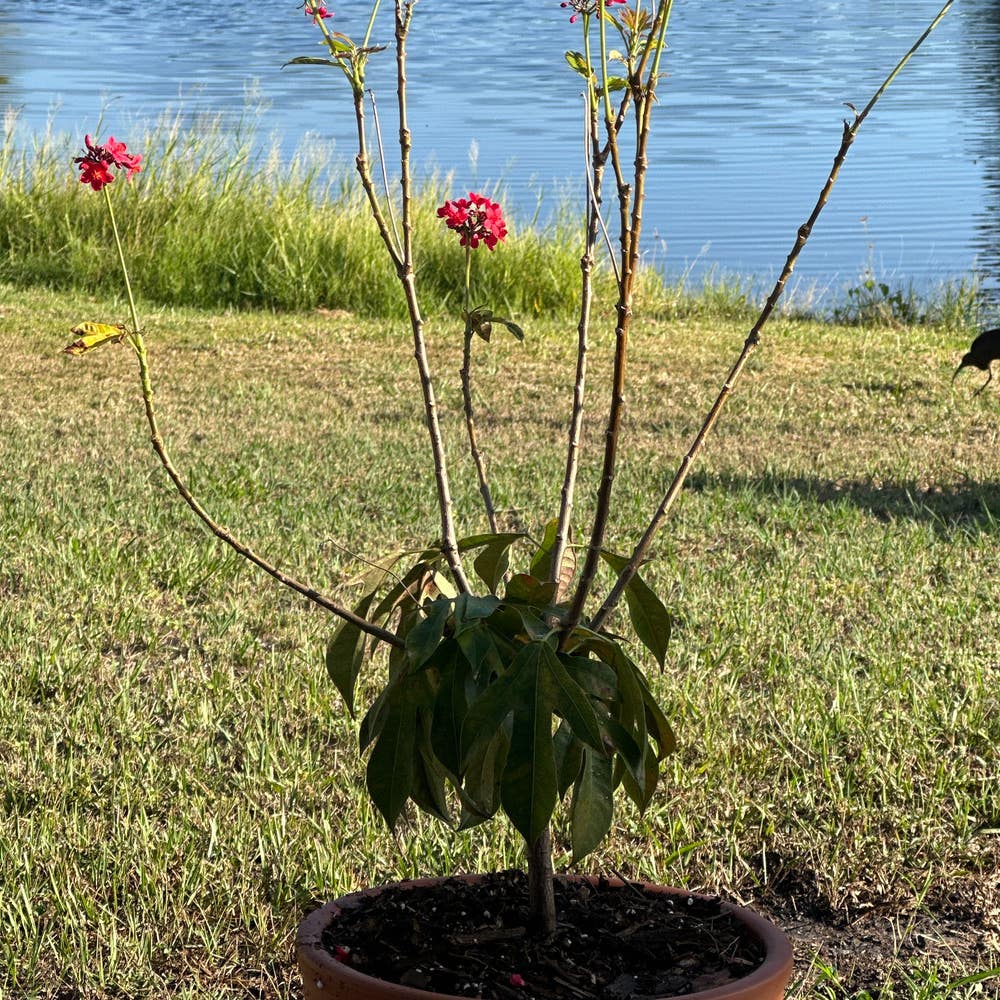
Too hot, too cold, or just not enough light, and your Peregrina will protest with yellow leaves. Temperature swings are a no-go. And light? Bright, indirect sunlight keeps it happy without the sunburn.
Adjust your plant's location like you're finding the sweet spot on your pillow. It's all about that perfect spot where your Peregrina can bask in the glow without breaking a sweat.

Turning Over a New Leaf: Remedial Steps
🌱 Soil and Roots: Getting to the Bottom of It
Soil is Peregrina's foundation, and getting it right is non-negotiable. Test your soil to uncover what's lacking or in excess. If it's more swamp than soil, it's time for a change. Mix in organic matter like peat moss for moisture balance and perlite for that quick drainage. Think of it as the plant equivalent of a well-fitted pair of jeans—comfortable yet supportive.
💧 The Right Sip: Watering Practices Revamped
Watering is an art, and Peregrina's leaves demand a master. Ditch the guesswork; use a soil moisture meter or the trusty finger test. Top inch dry? Time to hydrate. But don't drown your plant in love—overwatering is the express lane to root rot. Make it a morning ritual, when evaporation is low and plants are thirsty. And always ensure pots have drainage holes. They're the difference between a thriving plant and a waterlogged disaster.

Keeping the Green: Preventative Tactics
📅 Consistency is Key: Routine Care for Radiant Leaves
Crafting a care schedule that keeps yellow at bay is like setting up a calendar alert for plant prosperity. Regularity is the Peregrina's pal. Fertilize with a balanced hand, and tailor watering to the seasons—less is more when the heater hums in winter.
🌿 Location, Location, Location: Environmental Harmony
Choosing the ideal spot for your Peregrina isn't about playing interior designer; it's about survival. These plants crave bright, indirect sunlight—think of it as their non-negotiable morning coffee. Ensure the air around them moves but doesn't howl like a wind tunnel. And keep those temperatures steady; your plant's no fan of the hot-cold hokey pokey.

⚠️ Safety First
This content is for general information and may contain errors, omissions, or outdated details. It is not medical, veterinary advice, or an endorsement of therapeutic claims.
Always consult a qualified healthcare professional before using any plant as food, medicine, or supplement.
Never eat any plant (or feed one to pets) without confirming its identity with at least two trusted sources.
If you suspect poisoning, call Poison Control (800) 222-1222, the Pet Poison Helpline (800) 213-6680, or your local emergency service immediately.
Spotted an error? Please report it here.
Turn your Peregrina's frown upside down by nailing the care routine 🌿, with Greg's personalized reminders ensuring you hit the right balance of light, water, and nutrients.