Why Is My Peregrina Not Doing Well?
Jatropha integerrima
By the Greg Editorial Team
Jun 18, 2024•5 min read
This article was created with the help of AI so we can cover more plants for you. May contain errors. See one? Report it here.
Revive your wilting Peregrina 🌿 with these tailored troubleshooting tips for a lush, thriving plant.
- 🌧️ Over-watering and under-watering cause distinct leaf issues; check soil before watering.
- ☀️🌡️ Proper light and temperature are crucial; aim for 60-85°F and filtered light.
- 🛡️ Prevent pests and root rot with regular inspections and prompt treatment.
Water Woes: Too Much or Too Little
🚱 Spotting the Signs
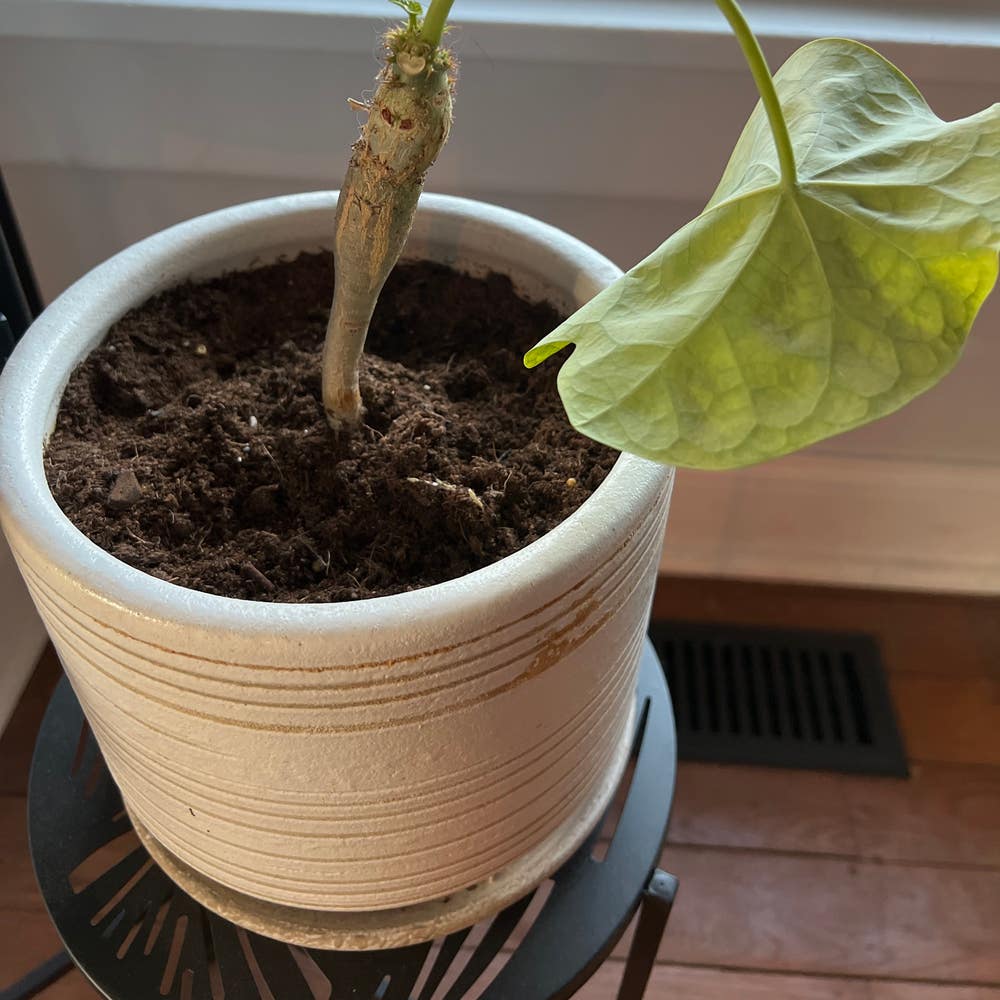
Identifying when your Peregrina has had too much or too little to drink is crucial. Over-watering often manifests as leaves that are yellowing or dropping off, while the soil feels soggy and emits a musty odor. On the flip side, under-watering will leave your Peregrina's leaves drooping, drying, and falling off. If they perk up quickly after watering, you've been stingy with the H2O.
Finding the Balance
Getting your Peregrina's watering just right is like finding the perfect jeans—not too tight, not too loose. Check the soil before watering; if it's dry an inch down, it's time to quench your plant's thirst. Ensure your pot has drainage holes to avoid soggy soil syndrome. Your watering frequency should be a seasonal affair—less in winter, more in summer. And remember, a consistent watering schedule is better than a sporadic deluge. If you've been overdoing it, let the soil dry out before giving it another go. For those underwatered Peregrinas, water slowly and deeply, allowing the moisture to reach the roots without overwhelming them.
Light and Shade: Striking the Right Amount
💡 Symptoms of Light Stress
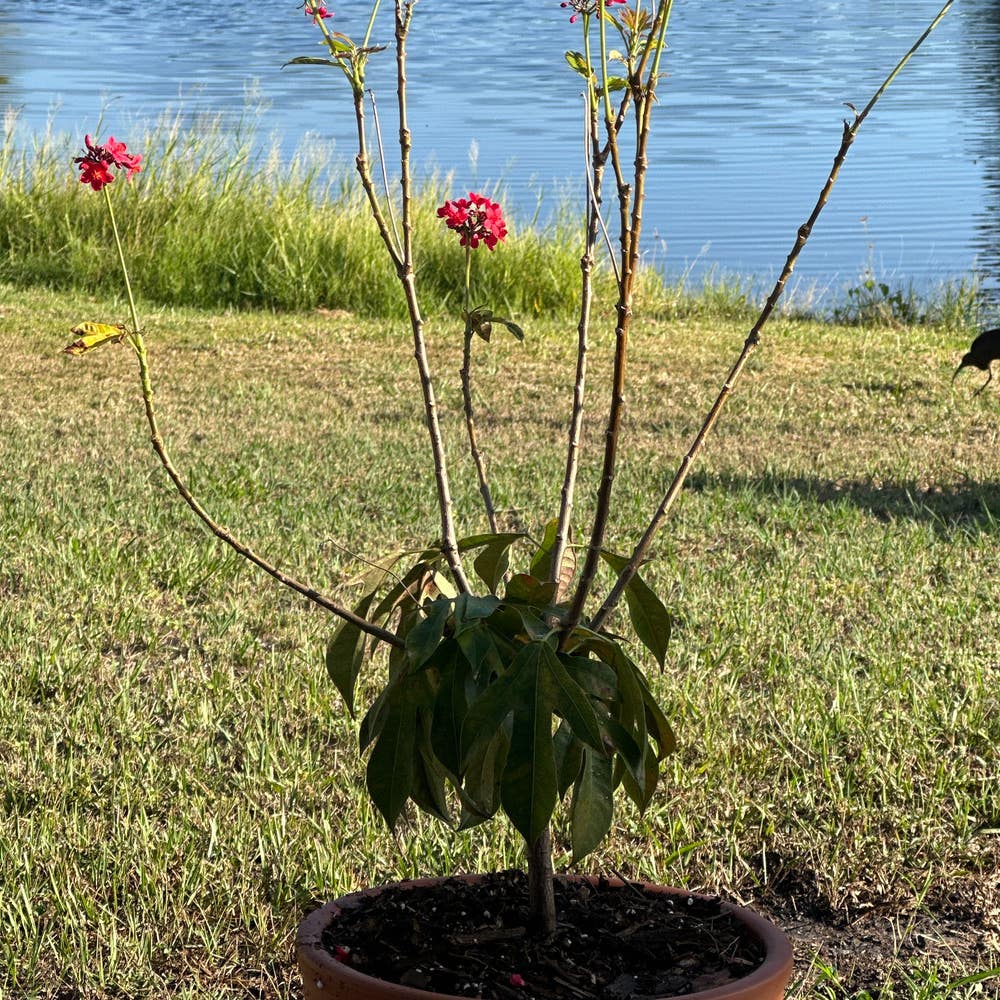
Peregrina plants, like all living things, have their Goldilocks conditions—especially when it comes to light. Too much light and your Peregrina's leaves might start looking like they've had a rough day at the beach: crisp, bleached, and possibly with brown, sunburnt patches. On the other end of the spectrum, too little light can make your plant stretch out its stems, reaching for any ray it can find. This leggy growth is a desperate plea for more sunshine.
💡 Adjusting the Exposure
Finding the light sweet spot for your Peregrina isn't rocket science, but it does require some observation. A bright spot without the harsh midday sun is what you're aiming for. Think of it as setting up the perfect selfie lighting—flattering, but not glaring. If your plant's leaves start to protest with discoloration, it's time to shuffle it to a shadier locale or filter the light with a sheer curtain. Conversely, if you notice your Peregrina getting a bit too leggy, inch it closer to the light source. Remember, consistency is key, so consider using timers to maintain a steady light schedule, mimicking the natural ebb and flow of daylight.
Temperature Tantrums: Keeping It Consistent
🌡️ Reading the Leaves
Peregrina plants are drama queens when it comes to temperature. If they're too cold, leaves may droop like a disappointed parent. Too hot, and they might curl up as if trying to escape the heat. These are your cues that your plant is throwing a temperature tantrum.
Creating a Stable Environment
Consistency is your Peregrina's best friend. Aim to maintain a temperature range between 60-85°F (15-29°C). Avoid placing your plant near air conditioners, heaters, or drafty windows, as these are the archenemies of temperature stability. Instead, think of your home as a stage where the temperature is the unchanging backdrop to your Peregrina's one-plant show. If you notice your plant starting to act out, adjust the thermostat—not too hot, not too cold, but just right. Keep an eye on the thermometer like it owes you money, and you'll have a happy Peregrina that's neither too hot nor too cold, but just perfect.
Unwelcome Guests: Dealing with Pests and Diseases
🐛 Identifying Invaders
Pests and diseases can turn a thriving Peregrina into a plant on life support. Spotting these invaders early is crucial. Look for telltale signs like yellow speckles, sticky residue, or the fine webbing of spider mites. Insects might be munching on leaves, or you could notice a sudden wilt that suggests a deeper issue.
🚫 Eradication and Prevention
Once you've played detective and identified the culprits, it's time for action. Neem oil and insecticidal soap are your go-to for a quick eviction. For diseases, remove affected parts and apply fungicides if necessary. But remember, the best offense is a good defense. Regular inspections and proper care keep pests and diseases from settling in. If you're outmatched, don't hesitate to call in the plant ER—professionals who can diagnose and treat the toughest cases.
Root Health: The Foundation of a Thriving Peregrina
🚨 Recognizing Root Rot
Root rot in Peregrina plants is like a silent alarm that only goes off when it's almost too late. Discoloration and a foul odor from the roots are your plant's cry for help. If the roots are more mush than firm, it's time to play plant surgeon.
The Road to Recovery
First, stop watering immediately to halt the rot's progress. Gently remove your Peregrina from its pot and inspect the roots. Healthy ones should be firm and white, not slimy or dark. Snip away the rotted parts with sterilized shears—think of it as pruning away the plant's demons. After the bad roots are gone, repot in fresh, well-draining soil. This isn't just a quick fix; it's a new lease on life for your plant. Keep a close eye on watering habits going forward—your Peregrina's life depends on it.
⚠️ Safety First
This content is for general information and may contain errors, omissions, or outdated details. It is not medical, veterinary advice, or an endorsement of therapeutic claims.
Always consult a qualified healthcare professional before using any plant as food, medicine, or supplement.
Never eat any plant (or feed one to pets) without confirming its identity with at least two trusted sources.
If you suspect poisoning, call Poison Control (800) 222-1222, the Pet Poison Helpline (800) 213-6680, or your local emergency service immediately.
Spotted an error? Please report it here.
Combat your Peregrina's woes with the right balance of water and light, and let Greg's tailored care plan 🌿 keep you alert to the needs of your green companion!