Peregrina Is Not Considered a Weed 🌸
Jatropha integerrima
By the Greg Editorial Team
Nov 08, 2024•6 min read
This article was created with the help of AI so we can cover more plants for you. May contain errors. See one? Report it here.
Transform your garden with Peregrina 🌱—a stunning plant that boosts beauty and supports local ecosystems!
- 🌱 Peregrina is not a weed, making it perfect for diverse garden landscapes.
- 🐝 Supports biodiversity by attracting pollinators and providing habitat for wildlife.
- 🌿 Drought-tolerant and low-maintenance, Peregrina thrives in various soil conditions.
Plant Classification
Definition of Invasive Species 🌱
Invasive species are non-native plants that spread aggressively, often disrupting local ecosystems. They typically exhibit rapid growth, high reproductive rates, and a lack of natural predators, allowing them to dominate their surroundings.
Characteristics of Peregrina 🌿
Peregrina, or Jatropha integerrima, is native to tropical regions and has adapted well to specific environmental conditions. It features a moderate growth rate and is notably drought-tolerant, making it a resilient choice for gardens.
Peregrina thrives in well-drained soils, which limits its spread in overly moist conditions. This characteristic helps maintain balance in the ecosystem, ensuring it does not become invasive like some other plants.
By understanding these traits, gardeners can appreciate how Peregrina fits into sustainable landscaping without posing a threat to local flora. This knowledge sets the stage for exploring its growth habits and ecological role in the next sections.
Growth Habits
🌱 Typical Growth Patterns
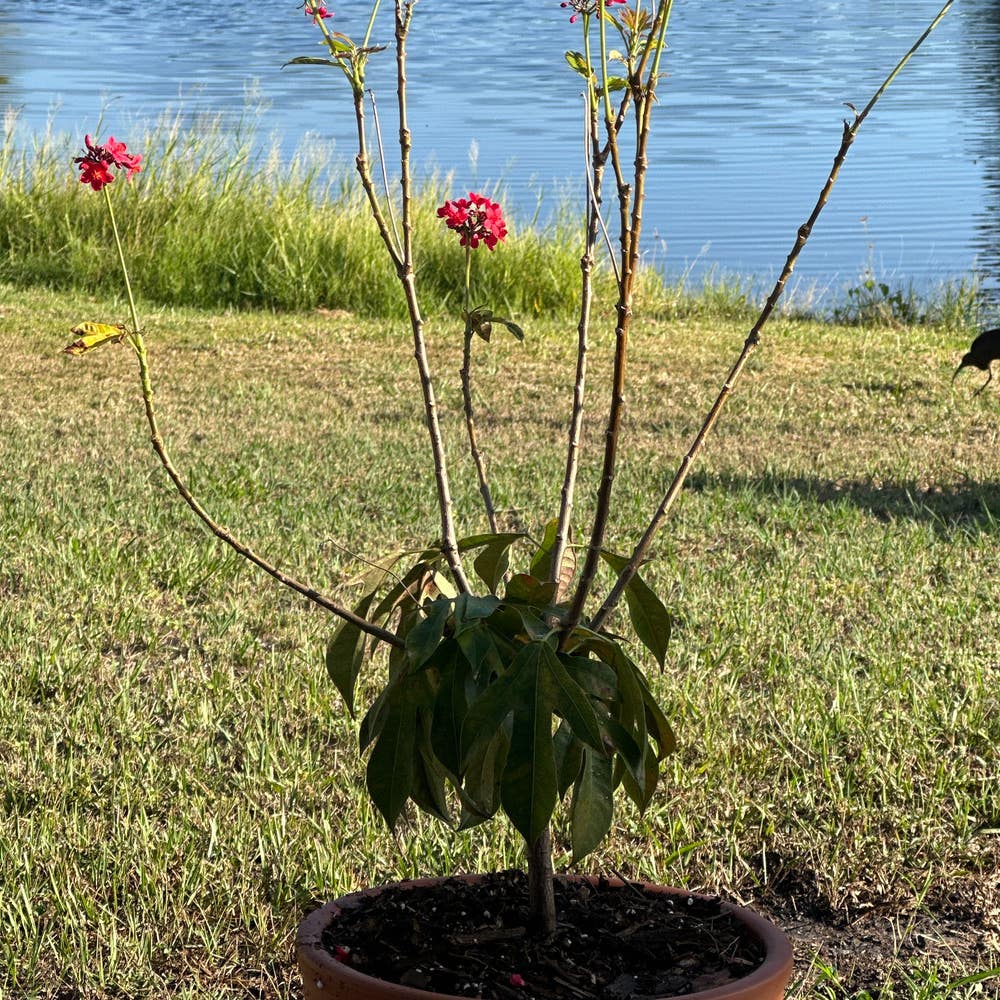
Peregrina is a striking plant that typically grows between 3 to 10 feet tall. Its growth form is shrubby, presenting a bushy appearance that adds texture and interest to any garden.
🌿 Natural Limits to Growth
Several factors naturally limit Peregrina's growth. It thrives in well-drained, poor soils and prefers tropical and subtropical climates, which help maintain its moderate growth rate.
✂️ Spread Potential and Management
While Peregrina has the potential to spread, its growth is largely constrained by its drought tolerance and soil preferences. To manage its spread effectively, regular pruning is essential to maintain the desired shape and size, along with monitoring for any unwanted expansion in garden settings.
Incorporating these management strategies ensures that Peregrina remains a beautiful and controlled addition to your landscape. As we explore its ecological role next, you'll see how this plant contributes positively to local biodiversity.
Ecological Role
🌼 Benefits in Gardens and Ecosystems
Peregrina plays a vital role in enhancing local biodiversity. It attracts essential pollinators like bees and butterflies, which are crucial for the health of many plants.
Additionally, Peregrina provides habitat for beneficial insects. This creates a balanced ecosystem, supporting various forms of life in your garden.
🦋 Positive Interactions with Local Wildlife
The interactions between Peregrina and local wildlife are noteworthy. Its flowers serve as a nectar source for pollinators, ensuring they thrive in your garden.
Moreover, Peregrina can offer shelter for small birds and insects. This makes it a valuable addition to any landscape, promoting a lively and diverse environment.
🌱 Role in Supporting Biodiversity
Incorporating Peregrina into sustainable gardening practices is essential. It not only beautifies your space but also supports ecosystem health by enhancing plant diversity.
By choosing Peregrina, gardeners contribute to a more resilient environment. This plant's presence fosters a thriving habitat for various species, making it a smart choice for eco-conscious gardening.
As we explore garden management next, consider how to effectively integrate Peregrina into your landscape for maximum ecological benefit.
Garden Management
Effective Incorporation into Designs 🌿
Integrating Peregrina into your landscape can elevate your garden's aesthetic. Consider using it as a focal point or border plant to create visual interest.
Pairing Peregrina with other non-invasive plants enhances biodiversity and ensures a vibrant garden. This combination not only looks appealing but also supports local ecosystems.
Aesthetic Considerations for Growth Control 🎨
Maintaining the aesthetic appeal of Peregrina involves strategic pruning. Regular trimming helps control its size and shape, ensuring it fits seamlessly into your design.
Seasonal color considerations are also important. By understanding its flowering patterns, you can plan for bursts of color throughout the year, adding dynamic beauty to your garden.
Maintenance Tips for Healthy Growth 🧑🌾
Caring for Peregrina is straightforward, especially once established. It is drought-tolerant, requiring minimal watering, which makes it ideal for low-maintenance gardens.
Fertilization should be minimal, focusing on poor soil conditions to encourage healthy growth. Regular inspections for common pests will help keep your Peregrina thriving and vibrant.
Incorporating these management strategies will not only enhance your garden's beauty but also promote a sustainable environment. With the right care, Peregrina can flourish, contributing positively to your landscape.
Comparison to Other Plants
🌱 Similar Non-Invasive Plants
When considering plants that complement Peregrina, look no further than Lantana and Bougainvillea. Both of these non-invasive options thrive in similar environments and can enhance the visual appeal of your garden.
🌟 Unique Qualities
Peregrina stands out with its vibrant flowers and impressive drought tolerance. It also excels in poor soil conditions, making it a resilient choice for diverse gardening scenarios.
🌼 Benefits of Choosing Peregrina
Opting for Peregrina in your garden promotes sustainable gardening practices. Its non-invasive nature not only enhances aesthetics but also ensures that your garden remains ecologically friendly, supporting local wildlife and biodiversity.
Incorporating Peregrina alongside other non-invasive plants can create a thriving, beautiful garden space. This thoughtful selection fosters a harmonious environment that benefits both plants and the local ecosystem.
Legal and Environmental Considerations
Relevant Classifications and Guidelines 🌱
Peregrina is often recognized as a non-invasive plant, making it a favorable choice for gardeners. However, it's essential to check local regulations regarding its planting, as some areas may have specific guidelines to promote biodiversity and prevent the introduction of non-native species.
Understanding these classifications helps ensure that your gardening practices align with environmental standards. Always consult local horticultural resources to stay informed about any restrictions or recommendations.
Sustainable Gardening Practices ♻️
Incorporating Peregrina into your garden supports sustainable gardening practices. Using native and non-invasive plants like Peregrina enhances local ecosystems and promotes biodiversity.
By choosing plants that coexist harmoniously, you create a thriving environment for various species. This approach not only beautifies your garden but also contributes positively to the surrounding ecosystem.
Environmental Impact 🌍
Peregrina has a minimal ecological footprint, making it an excellent addition to gardens. Its ability to thrive in poor soils and drought conditions means it requires less water and fewer resources, which is beneficial for the environment.
Moreover, Peregrina supports local wildlife by providing nectar for pollinators and shelter for small creatures. This symbiotic relationship enhances the health of your garden and the broader ecosystem, making it a win-win for nature and gardeners alike.
As you consider your gardening choices, remember that every plant can make a difference. Embracing Peregrina not only beautifies your space but also fosters a healthier environment.
⚠️ Safety First
This content is for general information and may contain errors, omissions, or outdated details. It is not medical, veterinary advice, or an endorsement of therapeutic claims.
Always consult a qualified healthcare professional before using any plant as food, medicine, or supplement.
Never eat any plant (or feed one to pets) without confirming its identity with at least two trusted sources.
If you suspect poisoning, call Poison Control (800) 222-1222, the Pet Poison Helpline (800) 213-6680, or your local emergency service immediately.
Spotted an error? Please report it here.
Transform your garden with Peregrina's beauty 🌿 while Greg provides tailored care reminders to help this resilient plant thrive and support local wildlife!