🌺 3 Plants That Love Growing with Peregrina
Jatropha integerrima
By the Greg Editorial Team
Nov 08, 2024•5 min read
This article was created with the help of AI so we can cover more plants for you. May contain errors. See one? Report it here.
Elevate your garden's beauty and biodiversity 🌼 with perfect companion plants for Peregrina! 🌿
- 🌼 Lantana, Mexican Sage, and Gaillardia thrive alongside Peregrina, enhancing garden beauty.
- 🐝 Companion plants attract pollinators and deter pests, promoting a healthy ecosystem.
- 🌱 Avoid Fennel and Nightshade to protect Peregrina from competition and harmful pests.
Companion Plants for Peregrina
🌼 Plant 1: Lantana
Lantana is a vibrant, drought-tolerant plant that thrives in well-drained soil. It loves full sun and can reach heights of up to 3 feet, making it a striking addition to any garden.
Lantana's compatibility with Peregrina stems from their shared love for dry conditions and sunlight. This plant not only attracts pollinators but also enhances Peregrina's role in the garden by creating a lively ecosystem.
The benefits of Lantana extend beyond aesthetics. It provides nectar for butterflies and bees, boosting biodiversity. Additionally, it acts as a natural pest repellent, keeping harmful insects at bay.
🌿 Plant 2: Mexican Sage
Mexican Sage is another excellent companion for Peregrina. It prefers well-drained soil and full sun, becoming drought-tolerant once established. With its striking purple flowers, it can grow between 2 to 4 feet tall, adding a splash of color.
This plant shares similar care needs with Peregrina, making maintenance a breeze. Its flowering period complements Peregrina's blooms, ensuring a continuous display of color throughout the growing season.
In terms of ecosystem benefits, Mexican Sage attracts hummingbirds and beneficial insects. It also helps suppress weeds, reducing competition for nutrients and allowing both plants to thrive.
🌸 Plant 3: Gaillardia
Gaillardia, or blanket flower, is a hardy plant that flourishes in poor, well-drained soils and full sun. Drought-resistant, it typically grows 1 to 2 feet tall and showcases vibrant red and yellow flowers.
Like Peregrina, Gaillardia is drought-tolerant and attracts similar pollinators. Its low growth habit allows it to fill space without overshadowing Peregrina, creating a balanced garden layout.
The continuous bloom period of Gaillardia supports pollinator populations throughout the season. Additionally, it enhances soil health by attracting beneficial microbes, contributing to a thriving garden ecosystem.
These companion plants not only thrive alongside Peregrina but also enrich the garden's biodiversity and visual appeal. By selecting the right companions, you can create a vibrant, harmonious landscape that supports both beauty and ecological health.
Plants to Avoid Near Peregrina
🌱 Plant 1: Fennel
Fennel may seem like a harmless addition to your garden, but it can actually inhibit the growth of nearby plants, including Peregrina. Its allelopathic properties release chemicals that can stunt the growth of companion plants, creating an imbalance in your garden ecosystem.
Additionally, fennel attracts pests that can harm Peregrina. This disruption can lead to a cascade of issues, making it crucial to keep fennel at a distance.
🌙 Plant 2: Nightshade
Nightshade is another plant to steer clear of when growing Peregrina. It shares vulnerabilities to similar pests and diseases, which can increase the risk of infestations that threaten your garden's health.
Moreover, nightshade competes for essential nutrients and water, potentially stressing Peregrina. This competition can hinder its growth and overall vitality, making it wise to avoid planting nightshade nearby.
By being mindful of these plants, you can create a thriving environment for Peregrina and its companions. Next, let’s explore how companion plants can help manage pests effectively.
Pest Management with Companion Plants
Companion plants are a gardener's secret weapon against pests. By strategically planting certain species alongside Peregrina, you can create a natural barrier that keeps harmful insects at bay.
🐞 Natural Pest Deterrents
Many companion plants release natural compounds that repel unwanted pests. This means less reliance on chemical pesticides, which can harm beneficial insects and the overall ecosystem.
🌼 Attracting Beneficial Insects
In addition to repelling pests, companion plants can attract beneficial insects. These helpful critters, such as ladybugs and lacewings, prey on common pests that might threaten your Peregrina.
🌿 Specific Pest-Repellent Properties
Lantana: This vibrant plant is not just a pretty face; it effectively repels aphids and whiteflies. By including Lantana in your garden, you can help protect your Peregrina from these pesky invaders.
Mexican Sage: Known for its striking purple flowers, Mexican Sage does more than beautify your garden. It deters spider mites and attracts predatory insects, creating a balanced ecosystem that benefits your plants.
Incorporating these companion plants not only enhances the health of your garden but also fosters a thriving environment for all its inhabitants. As you plan your garden, consider how these plants can work together to create a harmonious space.
Next, let’s explore how companion plants can elevate the visual appeal of your garden with Peregrina.
Visual Appeal and Aesthetic Considerations
Companion plants can significantly enhance the visual appeal of gardens featuring Peregrina. They create a vibrant color palette, showcasing contrasting flowers and foliage that catch the eye.
🌱 Height and Texture Variety
Incorporating companion plants also introduces varied heights and textures, adding depth to your landscape. This diversity not only makes the garden more interesting but also creates a dynamic environment for both plants and pollinators.
🎨 Striking Color Combinations
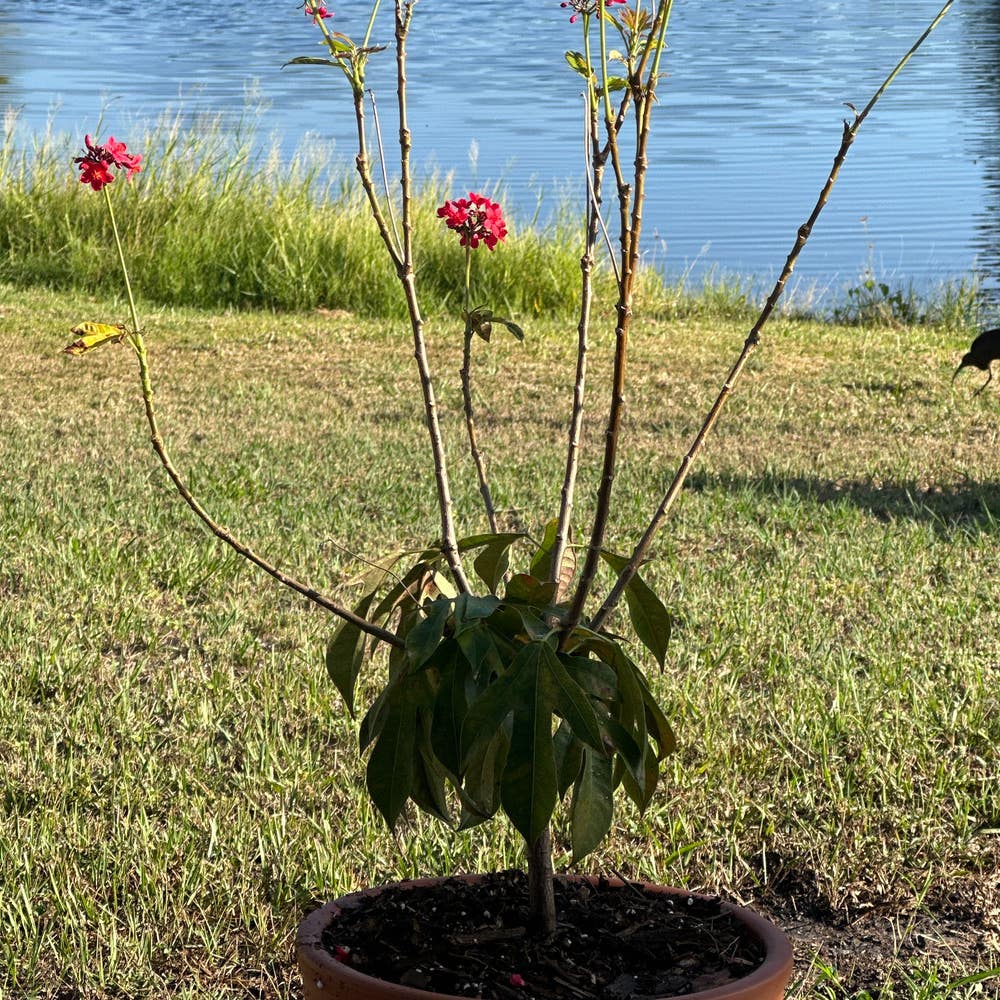
Pairing bright Lantana with the bold blooms of Peregrina results in a striking display. The vivid colors of Lantana complement the rich hues of Peregrina, creating a lively focal point in any garden.
🌿 Soft and Glossy Contrasts
Using the soft, velvety leaves of Mexican Sage provides a beautiful contrast to Peregrina's glossy foliage. This combination not only enhances the aesthetic but also highlights the unique characteristics of each plant.
By thoughtfully selecting companion plants, you can elevate the beauty of your garden while supporting a thriving ecosystem. The right combinations will leave your garden looking vibrant and inviting, making it a true sanctuary for both you and local wildlife.
⚠️ Safety First
This content is for general information and may contain errors, omissions, or outdated details. It is not medical, veterinary advice, or an endorsement of therapeutic claims.
Always consult a qualified healthcare professional before using any plant as food, medicine, or supplement.
Never eat any plant (or feed one to pets) without confirming its identity with at least two trusted sources.
If you suspect poisoning, call Poison Control (800) 222-1222, the Pet Poison Helpline (800) 213-6680, or your local emergency service immediately.
Spotted an error? Please report it here.
Boost your garden's beauty and health by pairing Peregrina with Lantana, Mexican Sage, and Gaillardia, and let Greg guide you with custom care tips 🌱 to ensure your plants thrive together beautifully!