What Do I Do About peregrina root rot?
Jatropha integerrima
By the Greg Editorial Team
Jan 17, 2024•3 min read
This article was created with the help of AI so we can cover more plants for you. May contain errors. See one? Report it here.
Rescue your Peregrina from root rot's clutches with these key survival tips! 🌿
- 🍂 Yellow leaves and wilting signal early root rot in Peregrina.
- Prune rotted roots, then treat with copper-based fungicide.
- Water wisely and ensure good air flow for prevention.
Spotting the Red Flags: Early Signs of Root Rot in Peregrina
🚩 Visual Symptoms to Watch For
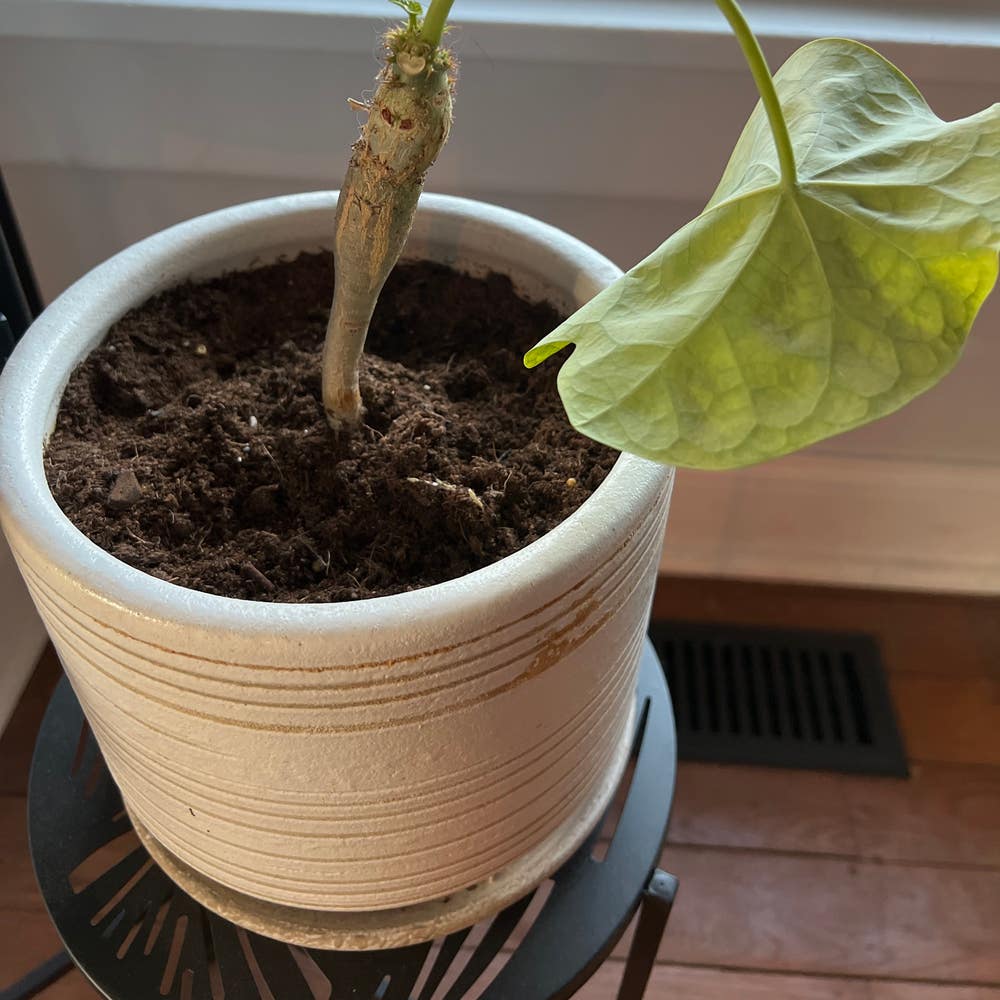
Yellow leaves are the plant's version of a distress signal. Wilting and a general look of despair can indicate your Peregrina is crying out for help. Don't ignore these signs; they're not just a phase.
🕵️ Getting to the Root of the Problem
Time to play detective with your Peregrina's roots. Discoloration, softness, and an unpleasant odor are the usual suspects when it comes to root rot. Healthy roots don't dress in brown or black, and they certainly shouldn't feel like overcooked pasta.
First Response: Immediate Actions to Treat Root Rot
🌊 Stop the Soak: Drying Out Overwatered Soil
Root rot in Peregrina plants is like an uninvited guest at a party—it just ruins everything. First things first: stop watering. Let the soil dry out to give the roots a break from moisture mayhem. If the soil feels like a swamp, consider a complete change. Mix in perlite or sand to improve drainage, or go for a full soil overhaul with a fresh, well-draining mix. This isn't a time for half-measures.
🏥 Surgical Strike: Pruning Damaged Roots
Once you've cut off the waterworks, it's time for a little root surgery. Gently remove your Peregrina from its pot and shake off the excess soil to get a clear view of the root situation. Healthy roots are firm and white, but if they look like they've had a rough night—brown, mushy, or smelly—it's time to grab your sterilized scissors. Snip away the bad parts, but don't get scissor-happy; leave the healthy roots intact. After the operation, consider a copper-based fungicide bath for the remaining roots to ward off any lingering fungal fiends. Remember, it's a rescue mission, not a funeral.
Rebuilding Foundations: Long-Term Treatment Strategies
🌱 Fresh Start: Changing the Soil
After root rot has been addressed, it's time for a soil makeover. Well-draining potting mix is your Peregrina's new best friend. Ditch the old, contaminated soil like expired milk and embrace a sterile, airy blend. Think of it as a plant detox; out with the old, in with the nutrient-rich new.
🛡️ Defending the Roots: Fungicide Use
Fungicides are the plant equivalent of a flu shot. Apply them post-pruning to give your Peregrina's roots a fighting chance against lurking pathogens. Remember, timing is everything—like adding garlic to a dish, do it at the right moment for maximum effect. Use fungicides as directed, and only as a protective measure, not a cure-all.
Keeping Root Rot at Bay: Prevention Tactics
💧 Water Wisdom: Balancing Moisture Levels
Watering your Peregrina should be more like a ritual than a routine. Check the soil before you water—poke your finger in there, and if the top inch feels like a desert, go ahead and quench its thirst. If it's damp, skip the watering can. It's about precision, not guesswork.
🌬️ Environment Matters: Air Flow and Humidity
Placement is key. Your Peregrina isn't a fan of stuffy rooms. It craves that sweet spot where the air moves freely but doesn't blast it like a wind tunnel. Humidity matters too. If your air is drier than a stand-up comedian's wit, consider a humidifier or a pebble tray to up the ante on moisture—just don't let it turn into a swamp.
⚠️ Safety First
This content is for general information and may contain errors, omissions, or outdated details. It is not medical, veterinary advice, or an endorsement of therapeutic claims.
Always consult a qualified healthcare professional before using any plant as food, medicine, or supplement.
Never eat any plant (or feed one to pets) without confirming its identity with at least two trusted sources.
If you suspect poisoning, call Poison Control (800) 222-1222, the Pet Poison Helpline (800) 213-6680, or your local emergency service immediately.
Spotted an error? Please report it here.
Banish peregrina root rot by following our recovery tips, and let Greg craft a personalized care plan 🌱 to prevent future woes and ensure your plant thrives.