🌸 Everything You Need to Know About Pollinating Peregrina
Jatropha integerrima
By the Greg Editorial Team
Nov 08, 2024•6 min read
This article was created with the help of AI so we can cover more plants for you. May contain errors. See one? Report it here.
Unlock the secrets of Peregrina flowers 🌺 and boost your garden's pollination power for a thriving ecosystem! 🌿
- 🌺 Peregrina flowers self-pollinate, ensuring reproduction even without pollinators.
- 🐝🌈 Bright colors attract bees and hummingbirds, enhancing cross-pollination and genetic diversity.
- 🌿 Creating a pollinator-friendly garden boosts local ecosystems and plant productivity.
Flower Structure
Description of Characteristics 🌺
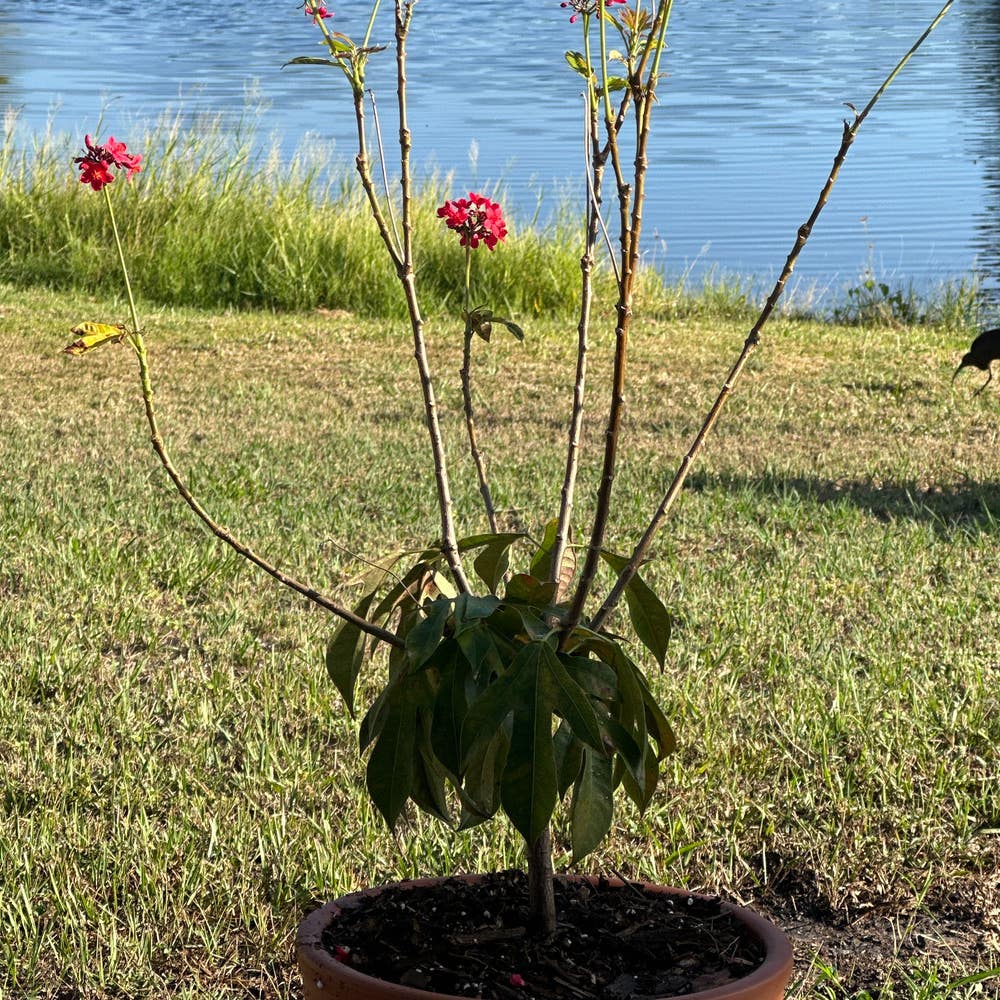
The Peregrina flower boasts a distinctive funnel shape with five petals that create a striking visual appeal. Depending on the cultivar, these flowers can showcase vibrant hues of bright red or yellow, making them a standout in any garden.
Flowers grow in clusters, which not only enhances their visibility but also makes them more inviting to pollinators. This arrangement is crucial for attracting the right species to facilitate pollination.
Role in Pollination 🐝
Peregrina flowers have evolved mechanisms that support self-pollination. The close proximity of stamens and pistils allows for efficient pollen transfer, ensuring fruit and seed production even in the absence of pollinators.
However, these flowers also promote cross-pollination through their bright colors and nectar production. These features attract a variety of pollinator species, enhancing genetic diversity and resilience within the population.
With such a fascinating structure and role in pollination, Peregrina flowers are not just beautiful; they are vital players in their ecosystems. Next, we will explore the pollination process in more detail, focusing on both self-pollination and cross-pollination dynamics.
Pollination Process
Self-Pollination Mechanism 🌱
Peregrina flowers have a remarkable ability to self-pollinate under specific conditions. This self-sufficiency is crucial, especially in environments where pollinators might be scarce.
Self-pollination ensures that fruit and seeds can still develop, even when cross-pollination opportunities are limited. This adaptability can be a lifesaver for the plant's reproductive success.
Cross-Pollination Dynamics 🐝
While self-pollination is beneficial, Peregrina thrives on cross-pollination, which enhances genetic diversity. The primary pollinators include:
- Bees: They are essential for transferring pollen between flowers, ensuring effective fertilization.
- Hummingbirds: Attracted by the bright colors and sweet nectar, they play a vital role in pollination.
- Butterflies and Moths: These insects contribute to pollination at different times of the day, expanding the plant's pollination window.
Attraction mechanisms are key to drawing in these pollinators. The availability of nectar and the vibrant flower colors are significant factors that entice them to visit. By understanding these dynamics, gardeners can create environments that support and enhance the pollination process.
With a solid grasp of how Peregrina engages in both self and cross-pollination, we can now explore the natural mechanisms that facilitate pollen transfer.
Natural Pollination
🌬️ Pollen Transfer Mechanisms
Natural pollination in Peregrina involves a fascinating process where pollen moves from the male parts, known as stamens, to the female parts, called pistils. This transfer is crucial for fertilization and occurs primarily through the actions of wind and various insects.
Wind can carry pollen over short distances, but it's the insects that play a pivotal role in effective pollen transfer. Bees, butterflies, and other pollinators visit the flowers, inadvertently picking up pollen and transporting it to other blooms, ensuring genetic exchange.
🌱 Importance for Reproduction and Genetic Diversity
Successful pollination is vital for producing seeds and fruits in Peregrina. Each successful transfer of pollen enhances the chances of fertilization, leading to a robust crop of seeds.
Moreover, genetic diversity is essential for the resilience of Peregrina populations. A diverse gene pool helps the plants adapt to changing environmental conditions, making them more robust against diseases and pests. This diversity not only supports the health of the species but also contributes to the overall ecosystem's stability.
As we explore the intricacies of pollination, it's clear that understanding these processes can help us appreciate the delicate balance of nature. Next, we'll delve into hand pollination techniques, empowering you to assist these beautiful plants in their reproductive journey.
Hand Pollination Techniques
Hand pollination can be a rewarding way to ensure the successful reproduction of your Peregrina plants. Here’s a straightforward guide to help you through the process.
Step 1: Identifying Male and Female Flower Parts 🌸
Start by locating the male and female parts of the flower. The male parts are the stamens, which produce pollen, while the female part is the pistil, topped with the stigma.
Step 2: Collecting Pollen 🌼
Next, gather pollen from the stamens. You can do this by gently tapping or brushing the stamens with a small tool, like a cotton swab, to collect the fine yellow grains.
Step 3: Transferring Pollen 🔄
Once you have collected the pollen, it’s time to transfer it. Carefully apply the pollen to the stigma of the female flower, ensuring good contact for successful fertilization.
Step 4: Ensuring Successful Fertilization ✅
After pollination, keep an eye on the flowers. Monitor for fruit development, which indicates that fertilization has occurred successfully.
Hand pollination not only boosts your chances of fruit and seed production but also deepens your connection with these beautiful plants. With a little patience and care, you can enhance the reproductive success of your Peregrina, ensuring a vibrant garden for years to come.
Next, we’ll explore how to support pollinators in your garden, creating an inviting environment for these essential creatures.
Supporting Pollinators
🌼 Creating a Pollinator-Friendly Environment
Designing a garden that attracts pollinators is both rewarding and essential for the ecosystem. Start by planting a diverse array of flowering species that bloom at different times throughout the growing season.
This variety ensures that there are always food sources available for pollinators. Additionally, providing water sources, such as shallow dishes or birdbaths, can help sustain these vital creatures. Don't forget to include shelter options, like native plants or small brush piles, to offer refuge for pollinators.
🌿 Companion Plants
Companion planting is a fantastic way to enhance your garden's appeal to beneficial pollinators. Consider adding marigolds, which are known to attract bees and butterflies with their vibrant colors.
Another excellent choice is lantana, which provides nectar that hummingbirds and butterflies love. These plants not only beautify your garden but also create a thriving habitat for pollinators, ensuring a healthy ecosystem.
By fostering a pollinator-friendly environment, you contribute to the health of your garden and the broader environment. This effort not only supports the pollinators but also enhances the beauty and productivity of your garden.
As you cultivate these practices, you’ll be well on your way to creating a vibrant space that supports the essential work of pollinators.
Pollination Challenges
🌪️ Common Obstacles
Pollination can be significantly affected by environmental factors. Temperature fluctuations can hinder flower opening and disrupt pollinator activity, while humidity levels can impact pollen viability and transfer.
🛠️ Solutions for Overcoming Challenges
To combat these challenges, consider using row covers to shield flowers from adverse weather conditions. Additionally, introducing more pollinator-friendly plants can enhance attraction and support pollinator populations.
🍂 Seasonal Variations
Seasonal changes play a crucial role in the timing and success of pollination in Peregrina. Environmental factors, such as temperature and moisture, can vary throughout the growing season, influencing overall pollination success.
Understanding these challenges and implementing effective strategies can help ensure a thriving pollination process for Peregrina. This knowledge not only supports the plant's reproduction but also contributes to the health of local ecosystems.
⚠️ Safety First
This content is for general information and may contain errors, omissions, or outdated details. It is not medical, veterinary advice, or an endorsement of therapeutic claims.
Always consult a qualified healthcare professional before using any plant as food, medicine, or supplement.
Never eat any plant (or feed one to pets) without confirming its identity with at least two trusted sources.
If you suspect poisoning, call Poison Control (800) 222-1222, the Pet Poison Helpline (800) 213-6680, or your local emergency service immediately.
Spotted an error? Please report it here.
Unlock the secrets of Peregrina pollination 🌺 and let Greg guide you with tailored tips and reminders to create a thriving garden that attracts vital pollinators!