How Fast Your Peregrina Will Grow 🐢
Jatropha integerrima
By the Greg Editorial Team
Nov 08, 2024•5 min read
This article was created with the help of AI so we can cover more plants for you. May contain errors. See one? Report it here.
Nurture your peregrina from seed to stunning bloom 🌸 with this essential growth guide for vibrant gardening success!
- 🌱 Soak peregrina seeds for 24 hours to boost germination success.
- 🌡️ Germination thrives at 70°F to 85°F; maintain this range for best results.
- 🌼 Peregrina matures in 2-3 years, with vibrant blooms attracting pollinators.
Germination Stage
Germination Process 🌱
To kickstart the growth of your peregrina, begin with seed preparation. Soaking the seeds in water for 24 hours significantly enhances their germination potential.
Creating the right environment is crucial. Aim for a temperature range of 70°F to 85°F (21°C to 29°C) and ensure the soil is moist and well-draining for optimal results.
Duration of Germination ⏳
On average, you can expect seeds to germinate within 7 to 14 days. However, several factors can influence this timeline, including soil moisture, temperature, and the viability of the seeds themselves.
Understanding these elements can help you achieve a successful germination process. With the right care, your seeds will be on their way to sprouting in no time!
As you move forward, the next stage will focus on the seedling phase, where you'll witness the first signs of life from your peregrina.
Seedling Stage
🌱 Characteristics of Seedlings
As your peregrina seeds sprout, you'll notice small, tender leaves emerging from the soil. This initial growth phase is typically slow, but it’s a crucial time for your plants.
To ensure healthy seedlings, provide regular watering and place them in indirect sunlight. This helps prevent scorching and supports their delicate development.
⏳ Duration of Seedling Stage
The seedling stage usually lasts about 4-6 weeks. During this time, your seedlings will grow stronger and prepare for transplanting.
You can tell when they’re ready by observing the development of 2-3 sets of true leaves. This is a clear indicator that your seedlings are maturing and ready for their next adventure in the garden.
With the seedlings on their way, let’s explore the exciting vegetative growth stage that follows.
Vegetative Growth Stage
🌱 Growth Characteristics
The vegetative growth stage is an exciting time for your peregrina. During this phase, the plant experiences rapid growth, often adding several inches each week.
As the plant matures, you'll notice the development of larger, more robust leaves. This is also when branching increases, creating a fuller appearance that signals healthy growth.
⏳ Duration of Vegetative Growth
Typically, the vegetative growth stage lasts between 6 to 12 months. The exact duration can vary based on environmental conditions, so keep an eye on your plant's surroundings.
Several factors influence growth during this stage. Light availability, water, and nutrient levels play crucial roles in determining how quickly your peregrina thrives.
Understanding these elements can help you optimize your care routine, ensuring your plant reaches its full potential.
With the right conditions, your peregrina will flourish, setting the stage for the next exciting phase: flowering.
Flowering Stage
🌸 Flower Development
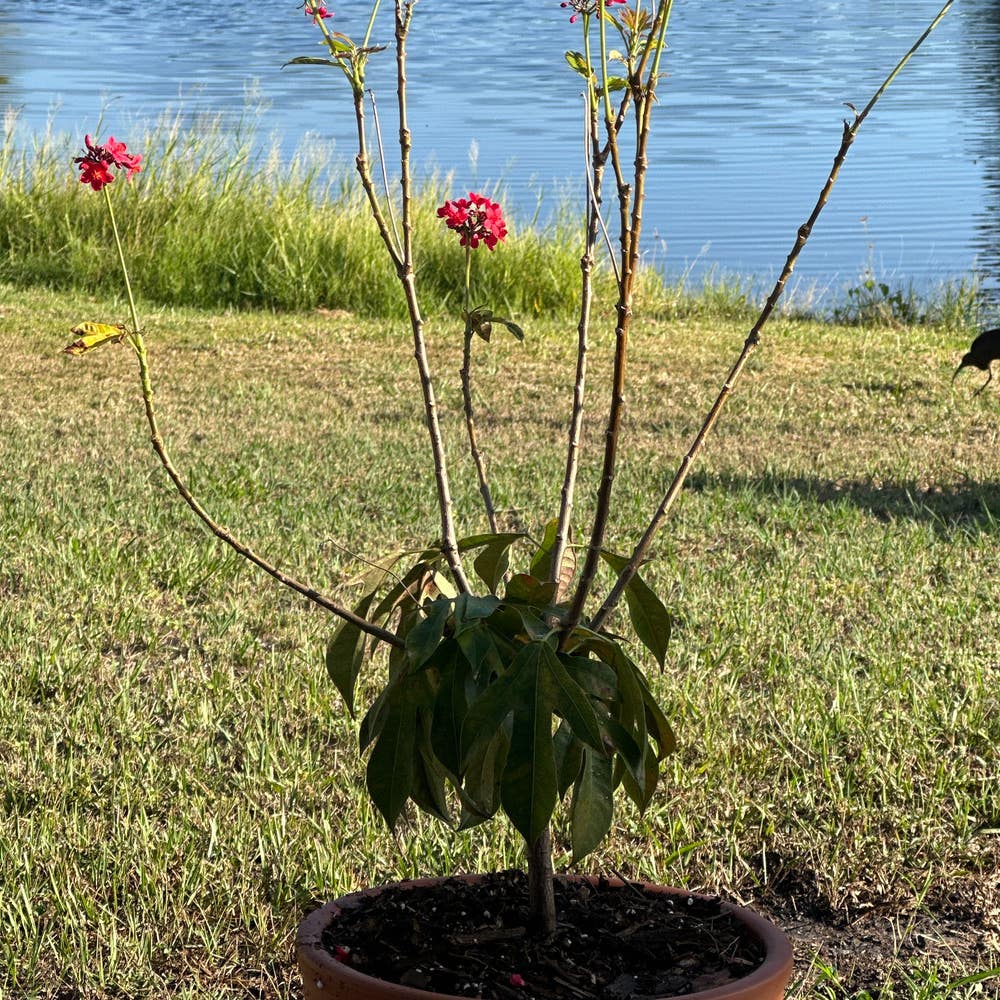
The flowering stage is an exciting time for your peregrina, typically beginning 1-2 years after planting. During this phase, you'll be rewarded with vibrant blooms, showcasing bright red or yellow flowers that not only beautify your garden but also attract essential pollinators.
⏳ Duration of Flowering
Once the flowers appear, they can last for several months, creating a stunning display that intermittently brightens your landscape. The pollination process is crucial here, primarily involving bees, which play a vital role in fertilizing the flowers and ensuring seed production.
As you nurture your peregrina through its flowering stage, you'll witness the beauty of nature in action. This stage is not just about aesthetics; it’s a critical part of the plant's lifecycle that leads to seed production, setting the stage for future growth.
With a solid understanding of the flowering stage, you're now ready to explore the next phase: seed production.
Seed Production Stage
Seed Formation 🌱
After successful pollination, the vibrant flowers of the peregrina transform into seed pods. Each pod typically contains 2-3 small, dark seeds, ready to embark on their journey to grow into new plants.
Duration of Seed Production ⏳
The average time from flowering to seed maturity is about 2-3 months. During this period, seeds are dispersed through various methods, including natural drop, wind, and even animal activity, ensuring the continuation of the plant's life cycle.
Understanding the seed production stage is crucial for anyone looking to cultivate peregrina successfully. With the right conditions and care, you can witness this fascinating process unfold, leading to new growth and beauty in your garden.
As we move forward, let’s explore how long it takes for your peregrina to reach full maturity.
Growth Rate and Maturation
🌱 How Long Until Fully Grown?
The peregrina typically reaches maturity in about 2-3 years when provided with optimal conditions. This timeframe allows the plant to develop fully and showcase its vibrant characteristics.
⏳ Average Time for Each Growth Stage
Understanding the timeline for each growth stage can help you plan effectively. Here’s a quick breakdown:
- Germination: 7-14 days
- Seedling: 4-6 weeks
- Vegetative: 6-12 months
- Flowering: 1-2 years
- Seed Production: 2-3 months
⚡️ Factors Affecting Growth Rate
Several factors can influence how quickly your peregrina grows.
Environmental Conditions
- Light: Adequate sunlight is crucial for healthy growth.
- Water: Consistent moisture levels help prevent stress.
- Soil Quality: Nutrient-rich, well-draining soil supports robust development.
- Temperature: Ideal temperatures can accelerate growth.
Care Practices
Regular care can significantly enhance growth rates.
- Pruning: Helps shape the plant and encourages new growth.
- Fertilization: Provides essential nutrients that boost vitality.
By paying attention to these factors, you can optimize the growth of your peregrina and enjoy its beauty sooner. As we move forward, let’s explore the fascinating flowering stage and what it entails.
⚠️ Safety First
This content is for general information and may contain errors, omissions, or outdated details. It is not medical, veterinary advice, or an endorsement of therapeutic claims.
Always consult a qualified healthcare professional before using any plant as food, medicine, or supplement.
Never eat any plant (or feed one to pets) without confirming its identity with at least two trusted sources.
If you suspect poisoning, call Poison Control (800) 222-1222, the Pet Poison Helpline (800) 213-6680, or your local emergency service immediately.
Spotted an error? Please report it here.
Watch your peregrina thrive 🌱 with Greg's tailored reminders and expert tips, ensuring every stage of its growth is a success!