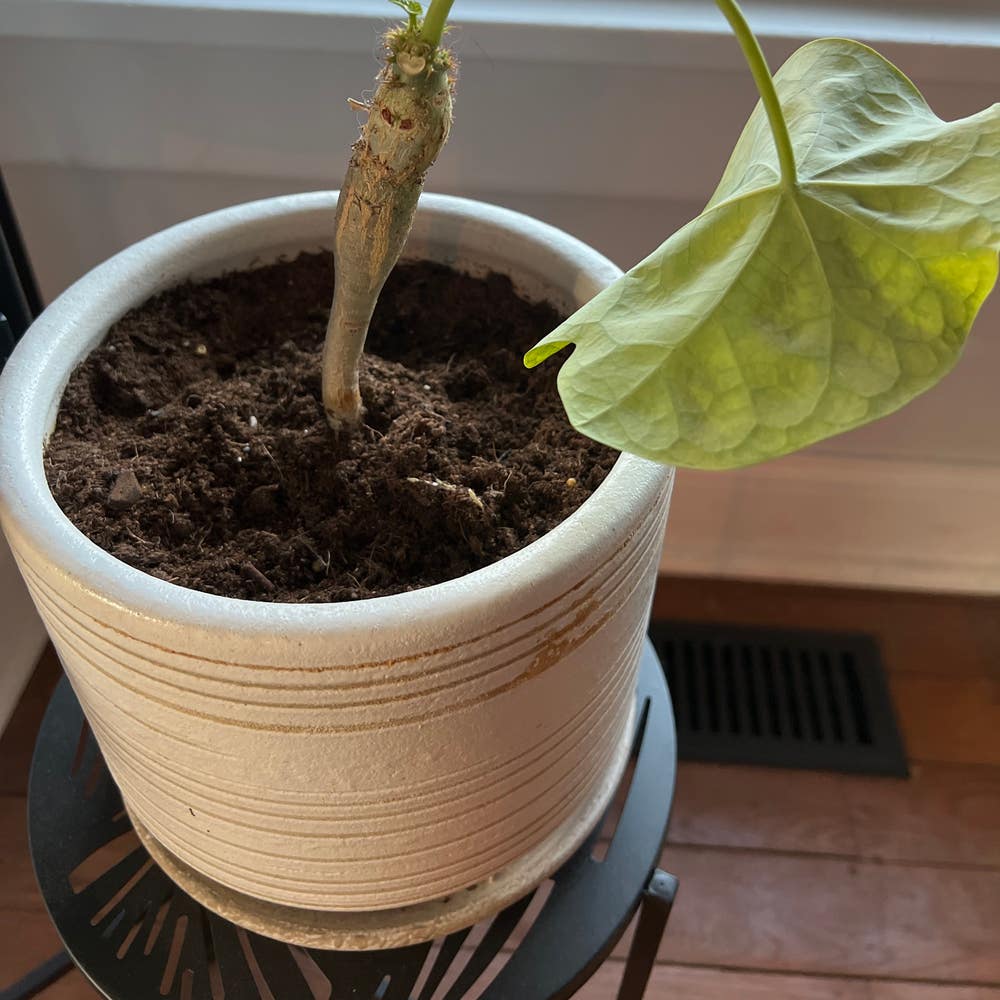
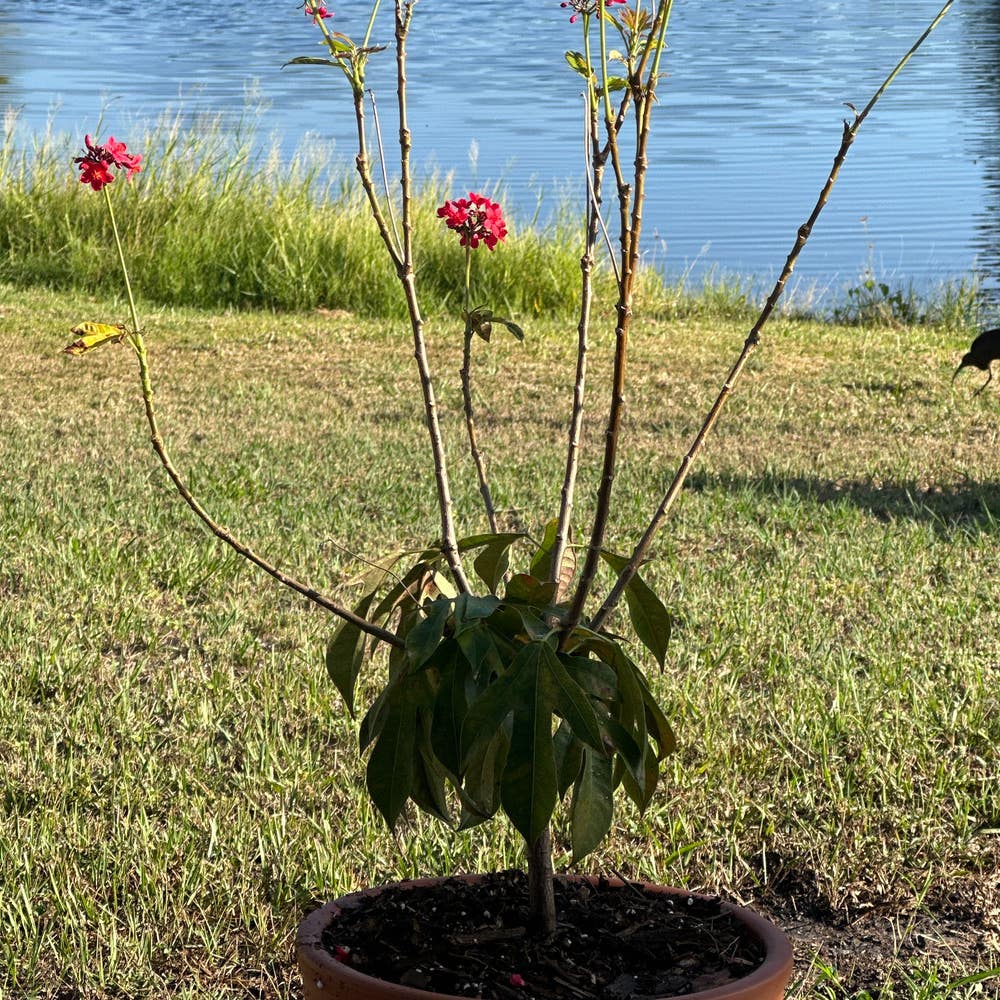
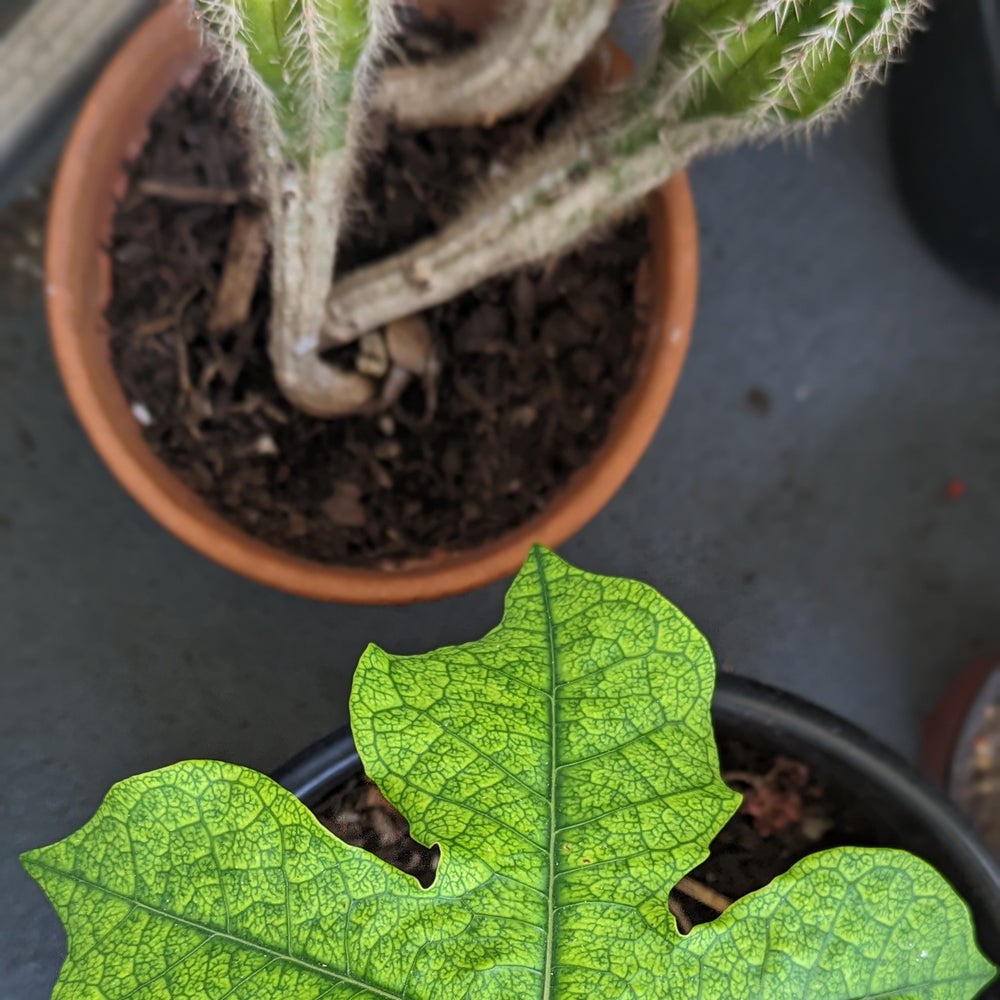
🌺 4 Factors for Optimal Peregrina Growth
Jatropha integerrima
By the Greg Editorial Team
Nov 08, 2024•7 min read
This article was created with the help of AI so we can cover more plants for you. May contain errors. See one? Report it here.
Transform your garden with thriving peregrina plants by mastering essential care tips! 🌿
- ☀️ Peregrina needs 6-8 hours of sunlight daily for optimal growth and flowering.
- 🌱 Well-draining soil and proper pH (6.0-7.0) are essential for healthy growth.
- 💧 Regular watering and good air circulation prevent root rot and promote vibrant blooms.
Ideal Growing Conditions
Light Requirements 🌞
Peregrina thrives in full sun, requiring 6-8 hours of direct sunlight each day. While it can tolerate partial shade, this may hinder its flowering potential.
Temperature and Humidity Preferences 🌡️
The optimal temperature range for peregrina is between 20°C to 30°C (68°F to 86°F). It prefers moderate humidity but can adapt to lower levels once established.
Soil Type and pH Preferences 🌱
For healthy growth, peregrina needs well-draining soil, ideally sandy loam or loamy. The soil pH should be slightly acidic to neutral, ranging from 6.0 to 7.0.
Watering Frequency and Methods 💧
Regular watering is essential during the growing season, but it's crucial to allow the soil to dry out between waterings. Utilizing drip irrigation or hand watering helps prevent waterlogging, ensuring the roots stay healthy.
By understanding these ideal growing conditions, you can set your peregrina up for success. Next, we’ll explore soil preparation and planting techniques to further enhance its growth potential.
Soil Preparation and Planting
🌍 Choosing the Right Location
Selecting the right location is crucial for your peregrina's success. For outdoor growing, aim for a sunny spot that enjoys good air circulation.
Container growing is also a great option. Just make sure to use pots with drainage holes, making them perfect for patios or balconies.
🧑🌾 Soil Preparation Techniques
Soil preparation sets the foundation for healthy growth. Start by incorporating organic matter, like compost, to boost soil fertility and improve drainage.
Proper drainage is essential to prevent root rot. Consider adding perlite or sand to enhance drainage capabilities.
📏 Planting Depth and Spacing Guidelines
When planting, depth matters. Dig a hole that is twice the width of the root ball and the same depth to give your plant ample room to grow.
Spacing is equally important. Keep plants 18-24 inches apart to ensure adequate airflow and promote healthy growth.
With the right location, soil preparation, and planting techniques, your peregrina will thrive. Next, we’ll explore effective watering and fertilizing strategies to keep your plants healthy and vibrant.
Watering and Fertilizing
💧 Watering Techniques
Watering is crucial for the health of your peregrina plants. Drip irrigation is an efficient method that provides consistent moisture directly to the roots, minimizing evaporation.
Hand watering is another option; just be sure to water at the base of the plant. This technique helps avoid wetting the foliage, which can lead to fungal issues.
📅 Fertilization Schedule and Types
To keep your peregrina thriving, fertilize every 4-6 weeks during the growing season. This regular feeding supports robust growth and vibrant blooms.
Opt for a balanced NPK fertilizer or slow-release granules. These options provide essential nutrients without overwhelming the plants.
⚖️ Signs of Overwatering or Underwatering
It's essential to recognize the signs of improper watering. Overwatering can lead to yellowing leaves, wilting, and root rot, which can be detrimental to your plants.
On the flip side, underwatering results in drooping leaves, dry soil, and stunted growth. Keeping a close eye on your watering habits will help maintain the health of your peregrina.
With proper watering and fertilizing techniques, your plants will flourish, setting the stage for the next crucial aspect of their care: pruning and maintenance.
Pruning and Maintenance
🌿 When and How to Prune
Pruning is essential for maintaining the health and beauty of your peregrina. Aim to prune in late winter or early spring, just before new growth begins, to encourage vibrant blooms.
Remove any dead or damaged stems, as well as spent flowers. This not only tidies up the plant but also promotes new growth and enhances flowering.
🧹 Maintenance Tasks for Healthy Growth
Regular inspections are key to a thriving plant. Check for pests and diseases frequently, and ensure the soil remains adequately moist.
Mulching is another vital task. Applying organic mulch helps retain moisture and suppress weeds, creating a healthier environment for your peregrina.
🌸 Seasonal Care Routines
Each season brings unique care requirements. In spring, focus on fertilizing and pruning to set the stage for robust growth.
During summer, keep a close eye on watering and pest activity. This proactive approach helps prevent issues before they escalate.
As fall approaches, prepare your plant for cooler temperatures by gradually reducing watering. This transition is crucial for the plant's health as it enters dormancy.
With these pruning and maintenance practices, your peregrina will flourish beautifully throughout the seasons. Next, let’s explore common challenges and solutions to keep your plant thriving.
Common Challenges and Solutions
🐞 Identifying and Managing Pests
Aphids
Aphids can be a real nuisance for your peregrina plants. Look out for curling leaves and a sticky residue on the foliage, which are telltale signs of an infestation.
To control these pests, consider using neem oil or insecticidal soap. Introducing beneficial insects, like ladybugs, can also help keep aphid populations in check.
Spider Mites
Spider mites are another common pest that can affect your plants. You might notice fine webbing on the leaves and stippled patterns, indicating their presence.
Increasing humidity around your plants can deter spider mites. Additionally, using miticides and maintaining regular monitoring will help manage their population effectively.
🦠 Addressing Diseases
Root Rot
Root rot is a serious concern that can devastate your peregrina. Symptoms include wilting, yellowing leaves, and stunted growth, which signal that your plant is in distress.
To prevent root rot, ensure your soil is well-draining and avoid overwatering. This simple step can save your plants from a lot of trouble.
Leaf Spot
Leaf spot can also plague your peregrina, showing up as dark spots on leaves and causing premature leaf drop. This can be frustrating, especially when you’re trying to maintain a healthy plant.
Good air circulation is key to preventing leaf spot. Pair this with proper watering techniques, and you’ll keep your plants thriving.
🌡️ Environmental Stress Factors
Environmental stress can impact your peregrina's health. Heat stress is common during extreme temperatures, so providing shade and ensuring adequate watering is essential.
Drought stress can also be an issue. Implementing a consistent watering schedule, particularly during dry spells, will help your plants stay hydrated and healthy.
By staying vigilant and proactive, you can tackle these challenges head-on, ensuring your peregrina thrives in its environment. Next, let’s explore effective propagation techniques to expand your plant collection!
Propagation Techniques
🪴 Methods of Propagation
Cuttings
To propagate peregrina through cuttings, select healthy stems that are 4-6 inches long, ideally taken from the tips of vigorous plants. For the rooting medium, a mix of peat and perlite works wonders, providing the right balance of moisture and aeration.
Seeds
Another effective method is seed propagation. Harvest seeds from mature pods, ensuring they are fully developed. For germination, create a warm, moist environment; expect seeds to sprout in about 2-4 weeks.
🌱 Best Practices for Successful Propagation
Timing
The best time to propagate is in spring or early summer when growth is naturally more vigorous. This timing allows your cuttings and seeds to thrive in optimal conditions.
Conditions
Maintain high humidity and warmth for cuttings to encourage rooting. Providing indirect light will help prevent scorching while still promoting healthy growth.
⏰ Timing and Conditions for Propagation
Moisture Monitoring
Keep a close eye on moisture levels in your propagation medium. It should remain consistently moist but never soggy to avoid rot.
Transplanting
Once your cuttings or seedlings are well-established, it's time to transplant them into larger pots. This step is crucial for their continued growth and development.
With these propagation techniques, you can successfully expand your peregrina collection, ensuring vibrant plants that thrive in your garden or home. Next, let’s explore the essential watering and fertilizing practices to keep your plants healthy and flourishing.
⚠️ Safety First
This content is for general information and may contain errors, omissions, or outdated details. It is not medical, veterinary advice, or an endorsement of therapeutic claims.
Always consult a qualified healthcare professional before using any plant as food, medicine, or supplement.
Never eat any plant (or feed one to pets) without confirming its identity with at least two trusted sources.
If you suspect poisoning, call Poison Control (800) 222-1222, the Pet Poison Helpline (800) 213-6680, or your local emergency service immediately.
Spotted an error? Please report it here.
Achieve thriving peregrina growth 🌞 by ensuring the right sunlight and soil conditions, and let Greg provide you with tailored care reminders to keep your plant flourishing!