Why Are My Peregrina Leaves Mushy?
Jatropha integerrima
By the Greg Editorial Team
Jan 17, 2024•3 min read
This article was created with the help of AI so we can cover more plants for you. May contain errors. See one? Report it here.
Prevent Peregrina leaf mush 🍂 with proven tips for perfect plant health and moisture mastery!
- 🚿 Overwatering leads to mushy leaves; adjust your watering routine.
- 🌱 Well-draining soil and root care prevent root rot and mushiness.
- 💨 Proper air circulation and dry foliage keep fungi at bay.
Pinpointing the Culprits Behind Mushy Leaves
💦 Overwatering Woes
Overwatering is like giving your Peregrina an all-you-can-drink buffet—eventually, it's going to get sick. If your plant's leaves are more limp than a wet noodle, you're likely drowning it in love. Yellow or brown leaves that droop or fall off are your plant waving a white flag.
🌱 The Root of the Problem: Root Rot
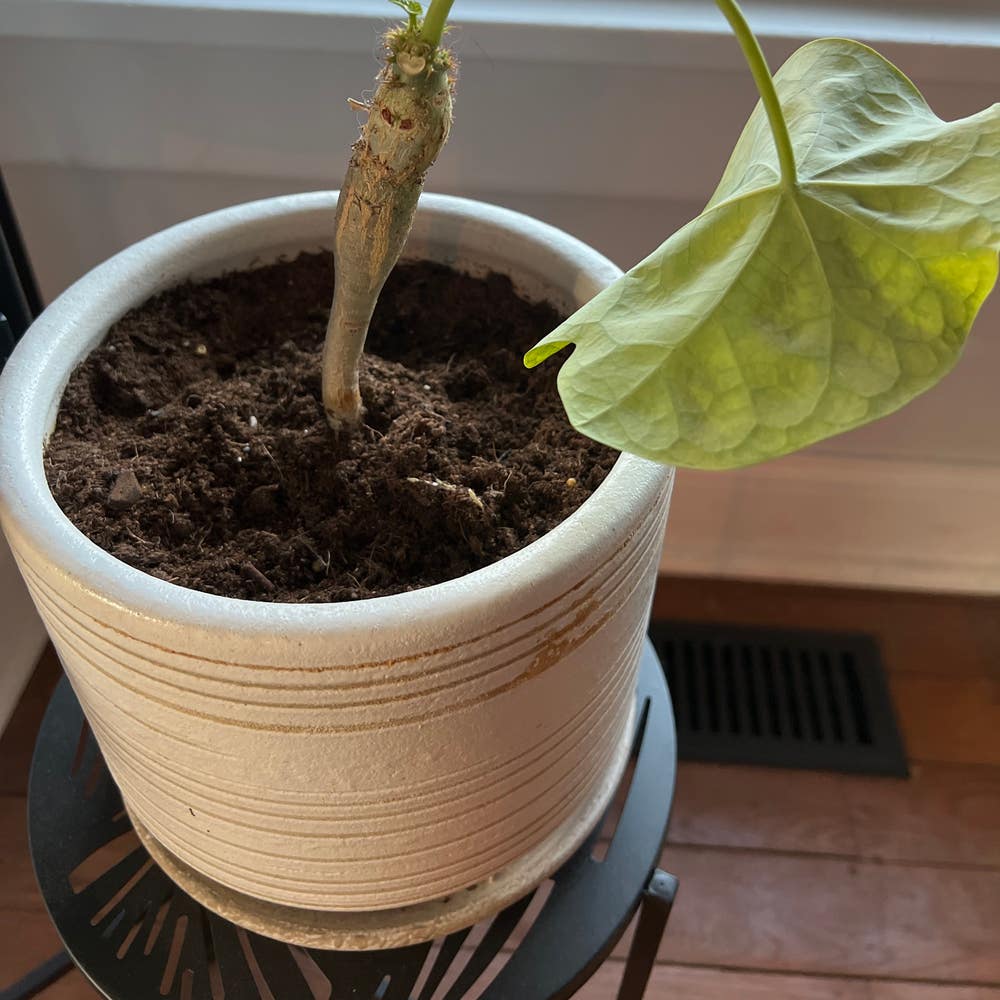
Root rot is the silent assassin of the plant world. If your Peregrina's base is softer than a marshmallow, it's sending an SOS. Dark, mushy roots? That's the grim reaper for plants, and it's time for an intervention.
🍄 Fungal Foes
Fungi are the party crashers no one invited. They turn your Peregrina's leaves to mush faster than ice cream in the sun. Brown spots or a general look of defeat are signs that fungi have moved in. Remember, they love a damp environment, so don't roll out the welcome mat with soggy soil.
Turning Things Around: Fixing Mushy Leaves
💧 Watering Wisdom
Fine-tuning your watering routine is crucial for Peregrina plants. Overwatering is a common pitfall, but with a few adjustments, you can get back on track.
- Check the soil before watering—use the finger test or invest in a soil moisture meter for precision.
- Water only when the top inch of soil is dry, and make sure to water deeply so that moisture reaches the roots.
- Establish a morning watering ritual to reduce evaporation and provide a consistent schedule for your plant.
🌱 Soil and Root Rehab
Upgrading your Peregrina's living conditions starts with the soil. Well-draining soil is non-negotiable for healthy roots.
- Mix in perlite or coarse sand to improve drainage and aeration, creating a breathable environment for roots.
- If roots are mushy, it's surgery time. Trim the rot, repot with fresh soil, and don't look back.
- Consider a pot with ample drainage holes or add a layer of pebbles at the bottom to prevent waterlogging.
- After repotting, monitor your plant closely, adjusting care as needed to encourage recovery.
Keeping Mushiness at Bay: Prevention Tactics
🌧️ Mastering Moisture Control
Balanced watering is the cornerstone of Peregrina health. Overzealous hydration is a no-go. Instead, water only when the top inch of soil is dry to the touch.
Pot and soil selection are your undercover agents in moisture management. Opt for pots with drainage holes and pair with a well-draining soil mix. Ingredients like perlite, coarse sand, and organic matter should be your go-to for that perfect moisture-retention-to-drainage ratio.
💨 Airflow and Cleanliness
Air circulation is the unsung hero in the fight against mushy leaves. Don't cram your Peregrina into a corner; give it space to breathe. Regular pruning helps too, preventing a dense canopy that stifles airflow.
Dry foliage is happy foliage. Water at the base to avoid wet leaves, which are a playground for fungal pathogens. If you're watering from above, do it in the morning so the leaves can dry out during the day.
Cleanliness is next to godliness, and in plant care, it's no different. Remove dead leaves and debris promptly to prevent fungal and bacterial hideouts. If you're using a humidity dome for propagation, remember to check it often—like a sourdough starter, it needs your attention to prevent a mold fest.
⚠️ Safety First
This content is for general information and may contain errors, omissions, or outdated details. It is not medical, veterinary advice, or an endorsement of therapeutic claims.
Always consult a qualified healthcare professional before using any plant as food, medicine, or supplement.
Never eat any plant (or feed one to pets) without confirming its identity with at least two trusted sources.
If you suspect poisoning, call Poison Control (800) 222-1222, the Pet Poison Helpline (800) 213-6680, or your local emergency service immediately.
Spotted an error? Please report it here.
Revive your Peregrina from mushy to mighty 🌱 with Greg's custom care plans that ensure just the right amount of water and love!