📚 Ultimate Guide to Peregrina Varieties
Jatropha integerrima
By the Greg Editorial Team
Nov 08, 2024•5 min read
This article was created with the help of AI so we can cover more plants for you. May contain errors. See one? Report it here.
Elevate your garden with stunning peregrina cultivars 🌸 that offer vibrant blooms and unique traits for every space!
- 🌸 Peregrina varieties offer stunning blooms and diverse growth habits for every garden.
- 🌈 Popular cultivars include 'Red,' 'Yellow,' and 'Pink,' each with unique visual traits.
- 🌿 Dwarf and standard sizes cater to different garden spaces and aesthetic preferences.
Popular Cultivars
🌸 Description of Popular Cultivars
Peregrina varieties are celebrated for their stunning blooms and diverse growth habits. Among the most popular cultivars are 'Red,' 'Yellow,' and 'Pink,' each offering unique visual appeal.
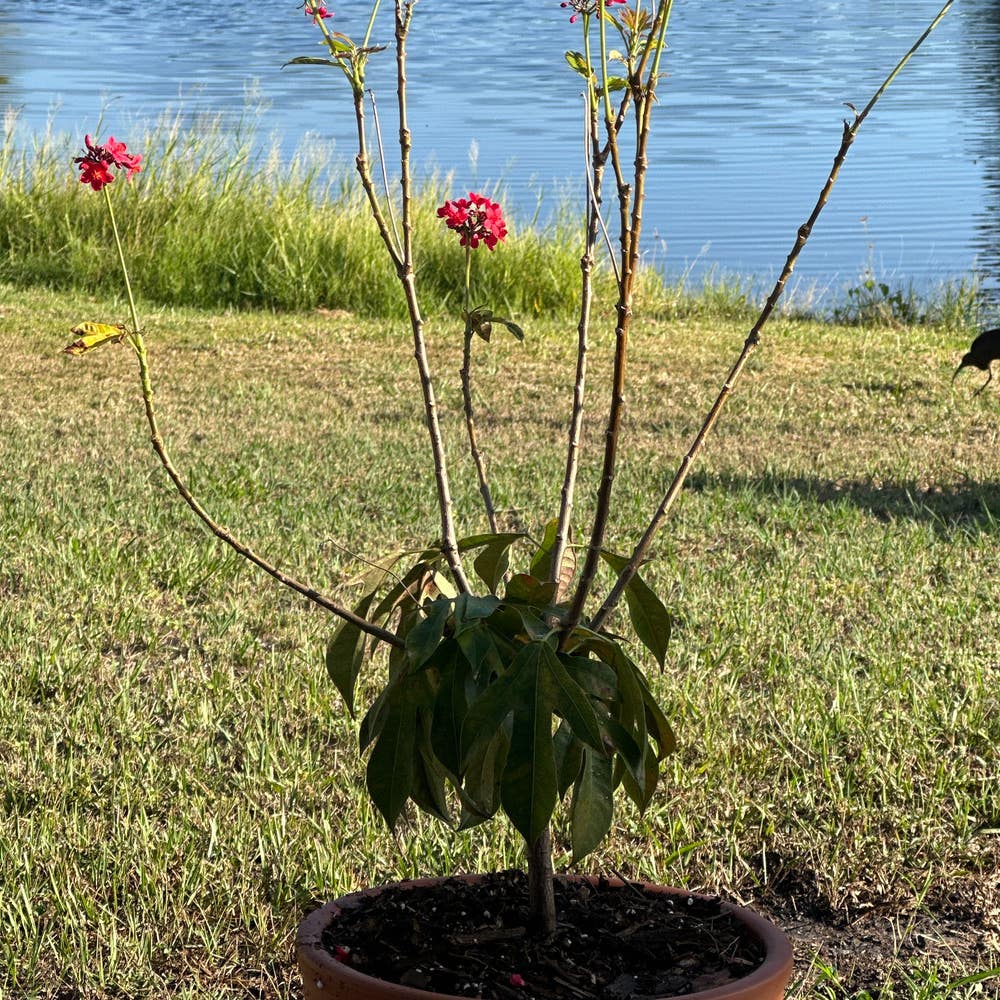
The 'Red' cultivar showcases bright red flowers and a compact growth habit, making it a favorite for smaller gardens. In contrast, the 'Yellow' variety boasts vibrant yellow blooms and larger foliage, adding a cheerful touch to any landscape. Lastly, the 'Pink' cultivar features soft pink flowers and a bushy appearance, perfect for creating a lush, inviting atmosphere.
🌿 Unique Characteristics of Each Cultivar
When considering growth habits, it's essential to note the differences between dwarf forms and standard sizes. Dwarf varieties are ideal for limited spaces, while standard sizes can create a more dramatic impact in larger gardens.
Flowering patterns also vary among cultivars. Some may bloom frequently throughout the season, while others have a more extended flowering duration, providing options for gardeners looking to maximize their floral displays.
🎨 Color Variations Among Cultivars
The range of colors in peregrina cultivars is impressive, including striking reds, sunny yellows, soft pinks, and even combinations of these hues.
Environmental factors play a significant role in color intensity. Sunlight, soil quality, and moisture levels can all influence how vibrant the flowers appear, making it crucial for gardeners to consider these elements when planning their gardens.
📏 Size Differences in Cultivars
Size variations among peregrina cultivars are noteworthy. Standard varieties can reach heights of up to 6 feet, while dwarf forms typically grow between 2 to 3 feet tall.
These differences have significant implications for garden design. Understanding the height and spread of each cultivar helps gardeners make informed decisions about spacing and placement, ensuring a harmonious landscape that showcases the beauty of each plant.
As we explore hybrid varieties next, we'll uncover even more exciting options for enhancing your garden.
Hybrid Varieties
🌱 Explanation of Hybrid Varieties
Hybridization in plants involves crossbreeding different species or cultivars to create new varieties. This process often results in enhanced traits such as improved flower colors, growth habits, and resilience against environmental stressors.
🌼 Notable Hybrid Cultivars and Features
Hybrid cultivars stand out for their unique characteristics. One notable example is 'Peregrina Gold,' which features vibrant yellow flowers and exceptional drought tolerance, making it a favorite among gardeners looking for low-maintenance options.
🌿 Care Requirements for Hybrids
Caring for hybrid varieties requires attention to specific needs. Regular watering and appropriate fertilization are crucial for optimal growth, while understanding pest resistance and disease management strategies can help maintain their health and vibrancy.
In summary, hybrid varieties like 'Peregrina Gold' offer unique advantages and require tailored care to thrive. As we explore the next section on rare varieties, consider how these hybrids can complement your garden's diversity.
Rare Varieties
🌱 Overview of Rare Varieties
Rare varieties of plants are those that are not commonly found in gardens or nurseries. Their rarity can stem from limited geographical distribution, unique genetic traits, or specific cultivation requirements.
Examples of rare peregrina cultivars include the 'Blue Star' and 'Golden Cascade.' These varieties often originate from specific regions, making them treasures for collectors and enthusiasts.
🌼 Unique Traits of Rare Cultivars
Rare cultivars often showcase distinctive features that set them apart. You might find uncommon flower colors, such as deep purples or vibrant oranges, which can add a unique flair to any garden.
Additionally, some rare varieties exhibit unique leaf shapes or growth habits. For instance, weeping forms or unusual branching patterns can create striking visual interest in your landscape.
🧗♂️ Availability and Cultivation Challenges
Finding rare varieties can be a treasure hunt. Specialty nurseries, online plant auctions, and botanical gardens are excellent sources for acquiring these unique plants.
However, cultivating rare varieties comes with its challenges. Many require specific climate conditions and may be more susceptible to pests, demanding extra care and attention to thrive in your garden.
As you explore the world of rare peregrina varieties, remember that the effort can lead to stunning results. These unique plants can elevate your garden's aesthetic and provide a sense of accomplishment as you nurture them to flourish.
Transitioning from rare to hybrid varieties, let's delve into the fascinating world of plant hybridization and its benefits.
Comparative Analysis
Differences Between Species and Cultivars 🌱
Understanding the distinctions between species and cultivars is essential for any gardener. Species refer to naturally occurring plants, while cultivars are cultivated varieties that have been selectively bred for specific traits.
Key differences include growth habits, flower colors, and sizes. For instance, some cultivars may exhibit dwarf growth, while others can reach impressive heights, making them suitable for different garden designs.
Choosing the Right Cultivar 🌼
When selecting a cultivar, consider several factors to ensure a successful gardening experience. Space is crucial; assess how much room you have for growth and whether you prefer a compact or sprawling plant.
Climate also plays a significant role. Some cultivars thrive in warmer conditions, while others prefer cooler environments. Additionally, think about your aesthetic preferences and how the chosen cultivar will fit into your garden theme.
Factors Influencing Selection 🌍
Several factors can influence your selection of peregrina varieties. Climate adaptability is key; choose plants that can withstand your local heat and humidity levels.
Space considerations are equally important. Ensure you account for the size of your garden and the spacing between plants to avoid overcrowding. Lastly, consider your aesthetic goals—what color palette do you envision? Matching cultivars to your desired visual impact will enhance your garden's overall appeal.
With these insights, you're well-equipped to make informed choices about peregrina varieties that will thrive in your garden. Next, let’s explore hybrid varieties and their unique features.
⚠️ Safety First
This content is for general information and may contain errors, omissions, or outdated details. It is not medical, veterinary advice, or an endorsement of therapeutic claims.
Always consult a qualified healthcare professional before using any plant as food, medicine, or supplement.
Never eat any plant (or feed one to pets) without confirming its identity with at least two trusted sources.
If you suspect poisoning, call Poison Control (800) 222-1222, the Pet Poison Helpline (800) 213-6680, or your local emergency service immediately.
Spotted an error? Please report it here.
Transform your garden with vibrant peregrina blooms 🌼 by using Greg's tailored care tips and watering reminders to ensure your plants flourish, whether they're common or rare!