Peregrina Roots 101
Jatropha integerrima
By the Greg Editorial Team
Nov 08, 2024•5 min read
This article was created with the help of AI so we can cover more plants for you. May contain errors. See one? Report it here.
Transform your Peregrina plants 🌱 into thriving beauties with essential root care and transplanting tips!
- 🌱 Peregrina roots thrive in various soils, reaching depths of 12-24 inches.
- 💧 Consistent moisture is key; check soil dryness to ensure healthy roots.
- 🌿 Prevent root rot by ensuring well-draining soil and avoiding overwatering.
Root System Characteristics
Type of Root System 🌱
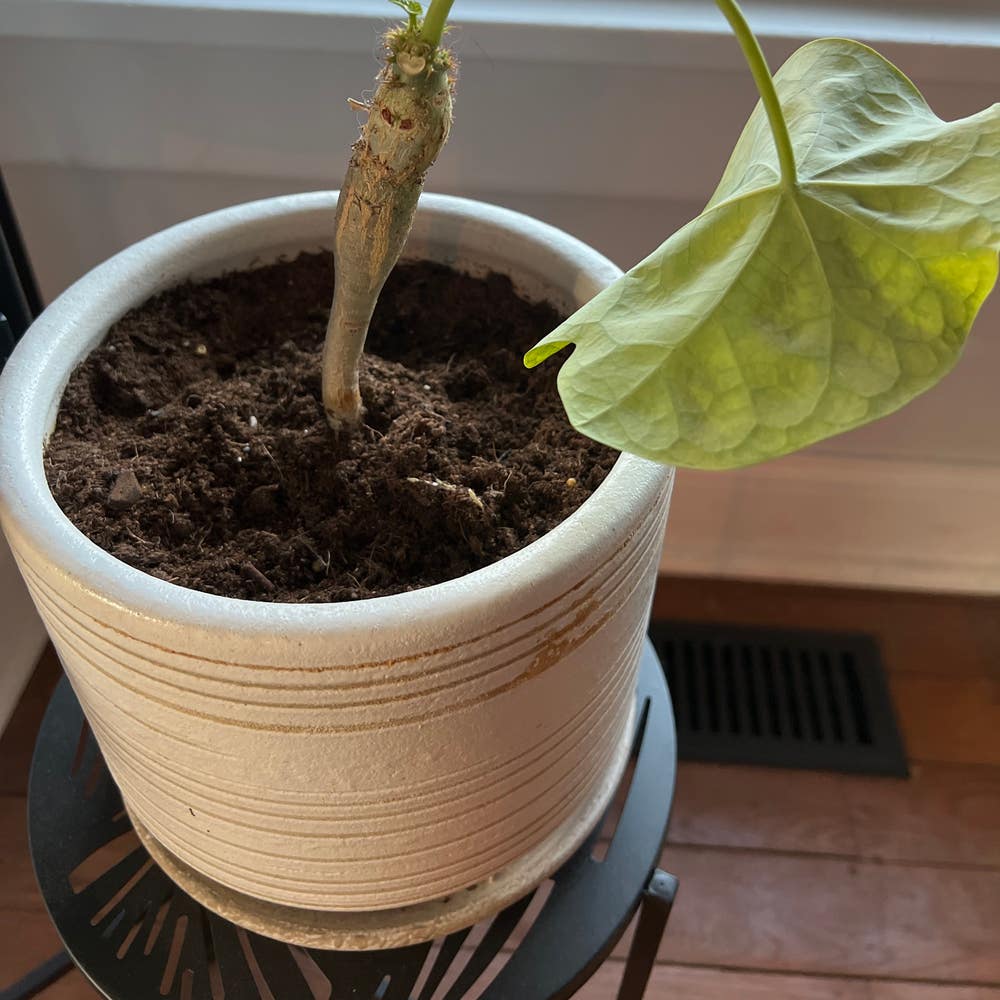
Peregrina plants feature a fibrous root system, which consists of a dense network of thin roots. This contrasts with taproot systems, where a single, thick root grows deep into the soil.
Fibrous roots are designed for efficient nutrient uptake, allowing the plant to thrive in various soil types. Their structure provides stability, making them well-suited for different environmental conditions.
Root Depth and Spread 📏
In optimal growth conditions, the average root depth of a Peregrina ranges from 12 to 24 inches. However, this depth can vary significantly based on soil quality and moisture availability.
Typically, the roots spread about 18 to 36 inches from the base of the plant. Understanding this spread is crucial for proper planting and spacing in gardens, ensuring each plant has enough room to grow without competing for resources.
This knowledge can help gardeners create a thriving environment for their Peregrina plants, promoting healthy growth and development.
Watering and Fertilizing
🌱 Impact of Root System on Watering Needs
Peregrina plants feature a fibrous root system, which plays a crucial role in moisture retention and drainage. These roots create a dense network that efficiently absorbs water, making it essential to understand how to maintain optimal moisture levels.
To keep your Peregrina thriving, aim to water it regularly, ensuring the soil remains consistently moist but not soggy. A good rule of thumb is to check the top inch of soil; if it feels dry, it's time to water.
🌿 Fertilization Techniques
When it comes to fertilizing your Peregrina, choosing the right type of fertilizer is key. Opt for a balanced, slow-release fertilizer that provides essential nutrients without overwhelming the roots.
Timing is also vital. Fertilize during the growing season, typically in spring and summer, to support robust root health and growth. Remember, moderation is crucial; over-fertilization can lead to root damage, so stick to the recommended amounts.
Maintaining a healthy watering and fertilization routine will ensure your Peregrina flourishes. With the right care, you'll enjoy a vibrant and resilient plant that enhances your space beautifully.
Next, let's explore effective transplanting techniques to ensure your Peregrina continues to thrive in new environments.
Transplanting Techniques
Best Practices for Transplanting 🌱
Transplanting a Peregrina requires careful planning to ensure its success. Here’s a step-by-step guide to help you through the process:
Preparing the new planting site: Choose a location with well-draining soil and adequate sunlight. Clear the area of weeds and debris to give your plant a fresh start.
Carefully removing the plant from its current location: Gently dig around the base of the plant, taking care not to damage the fibrous roots. Use a spade or garden fork to lift the plant from the ground.
Minimizing root disturbance during the process: Keep as much of the root ball intact as possible. This helps the plant adjust more easily to its new environment.
Watering thoroughly after transplanting: Once the plant is in its new home, give it a deep watering. This helps settle the soil around the roots and reduces transplant shock.
Impact of Root System on Transplant Success 🌳
The fibrous root system of the Peregrina plays a crucial role in its recovery after transplanting. These roots are adept at quickly establishing themselves in new soil, which can enhance the plant's resilience.
Look for signs of successful transplanting, such as new growth and healthy leaves. If the plant starts to flourish, it’s a good indication that the roots have taken hold and are thriving in their new environment.
By following these transplanting techniques, you can ensure your Peregrina not only survives but thrives in its new setting. Next, we’ll explore common root-related issues that can arise and how to address them effectively.
Common Root-Related Issues
🕵️ Identifying Root-Related Problems
Peregrina plants can face several root-related issues, including root rot, pests, and nutrient deficiencies. Root rot is particularly concerning, often indicated by yellowing leaves, wilting, and a foul odor emanating from the soil.
🛠️ Solutions for Root-Related Problems
To prevent root rot, ensure your soil is well-draining. Overwatering is a common mistake, so adopt watering techniques that allow the soil to dry out between sessions.
Managing pests is also crucial. Nematodes and root weevils can wreak havoc on your plant's roots, so keep an eye out for signs of infestation.
🌱 Tips for Maintaining Root Health
Regular inspections of the roots during repotting or transplanting can help catch issues early. Additionally, maintaining soil health and ensuring proper aeration are vital for the vitality of your Peregrina's root system.
By addressing these common root-related problems, you can foster a healthier, more resilient plant. This proactive approach will set the stage for the next section on recognizing and addressing rootbound conditions, ensuring your Peregrina thrives.
Recognizing and Addressing Rootbound Conditions
📏 Definition and Signs of Rootbound Conditions
Rootbound conditions occur when a plant's roots grow too densely within its container, limiting their ability to absorb nutrients and water. This situation can lead to stunted growth and overall poor health.
Look for visual cues that indicate a plant is rootbound. Common signs include roots visibly growing out of the drainage holes and the plant exhibiting stunted growth or wilting, even when it receives adequate care.
🛠️ Solutions for Rootbound Plants
Knowing when to take action is crucial. If you notice the signs of a rootbound plant, it's time to consider repotting.
Here’s a step-by-step guide to addressing rootbound conditions:
Carefully remove the plant from its pot. Gently loosen the soil around the edges to avoid damaging the roots.
Prune excessively long roots. Trim any roots that are circling the pot or appear unhealthy to encourage new growth.
Repot in a larger container with fresh soil. Choose a pot that provides ample space for the roots to expand, and use high-quality soil to promote healthy growth.
By recognizing and addressing rootbound conditions promptly, you can help your Peregrina thrive and maintain its vibrant health. Understanding these signs and solutions is essential for any plant enthusiast looking to nurture their green companions effectively.
⚠️ Safety First
This content is for general information and may contain errors, omissions, or outdated details. It is not medical, veterinary advice, or an endorsement of therapeutic claims.
Always consult a qualified healthcare professional before using any plant as food, medicine, or supplement.
Never eat any plant (or feed one to pets) without confirming its identity with at least two trusted sources.
If you suspect poisoning, call Poison Control (800) 222-1222, the Pet Poison Helpline (800) 213-6680, or your local emergency service immediately.
Spotted an error? Please report it here.
Unlock the secrets to thriving Peregrina roots with Greg's custom watering alerts and expert care tips, ensuring your plant stays healthy and vibrant! 🌿