Symbolism and Benefits of the Peregrina
Jatropha integerrima
By the Greg Editorial Team
Jun 18, 2024•5 min read
This article was created with the help of AI so we can cover more plants for you. May contain errors. See one? Report it here.
Ignite passion and embrace greener living with the Peregrina's vibrant symbolism and air-purifying prowess. 🌹🍃
- Symbol of love and passion, ideal for romantic gestures. 🌹
- Attracts wildlife, purifies air, supporting biodiversity and sustainability. 🦋🍃
- Promotes personal growth and emotional well-being through care.
A Love Affair with Color and Culture
🌹 Symbolism in Romance and Relationships
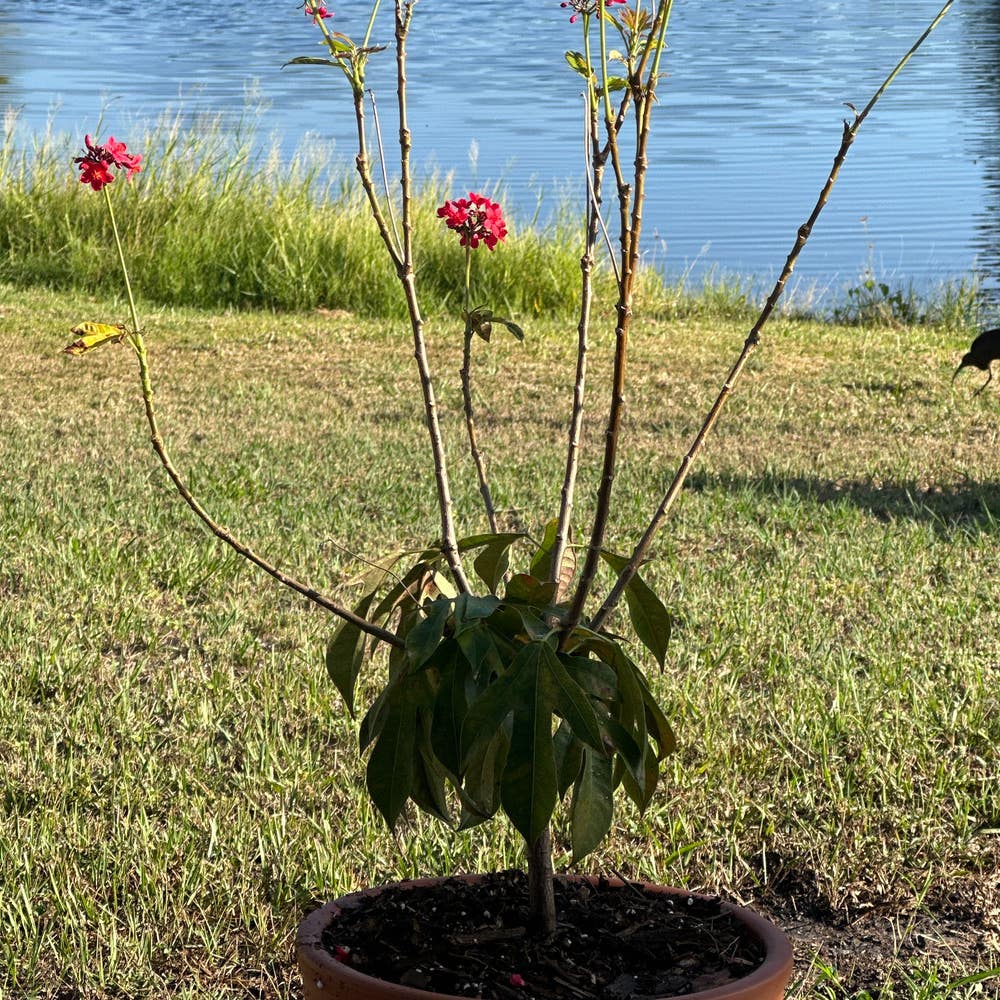
The Peregrina's red blooms are not just a feast for the eyes; they're emblems of love and passion. Traditionally, these fiery petals have been exchanged between lovers, embodying the intensity of their feelings. Gift-giving traditions often incorporate Peregrina, making it a botanical confidant in the language of love.
Aesthetic Appeal in Home and Garden
Peregrina plants bring a visual drama to any space with their striking flowers and lush foliage. Their presence can transform a mundane garden into a romantic haven, perfect for those looking to infuse their surroundings with a sense of allure. The vibrant presence of Peregrina is a surefire way to create an ambiance that's both enchanting and inviting.

Nature's Magnet: Wildlife and Environmental Perks
🦋 Biodiversity Boosters
Peregrina plants are not just a feast for the eyes; they're a banquet for wildlife. Butterflies and hummingbirds can't resist the allure of their vibrant red blooms. It's like setting up a neon "Eat Here" sign for these pollinators. By inviting a Peregrina into your garden, you're rolling out the red carpet for these crucial players in our ecosystem.
The ecological impact of hosting a Peregrina is significant. It's a living hub for biodiversity, offering nectar-rich flowers that serve as pit stops for various pollinators. This isn't just about beautifying your garden; it's about contributing to a balanced environment where nature thrives.
🌿 Green Living and Air Purification
Peregrina plants do more than attract pretty insects; they're also air purifiers. They contribute to a cleaner atmosphere, which is a breath of fresh air in our pollution-laden world. Sustainable gardening practices are the need of the hour, and incorporating Peregrina plants is a step towards greener living.
Incorporating Peregrina into your garden is a nod to sustainable living. They're low-maintenance and drought-tolerant, making them ideal for eco-conscious gardeners. By choosing Peregrina, you're not just picking a plant; you're making a statement about the kind of world you want to live in.

Rooted in Tradition: Medicinal Uses and Festivities
🌿 Healing Leaves and Folklore
Peregrina, known for its vibrant blooms, is not just a feast for the eyes. In traditional medicine, its leaves have been explored for therapeutic potential. While modern science is yet to fully endorse these uses, historical anecdotes suggest a range of benefits, from fever reduction to headache relief, akin to the poinsettia's medicinal applications.
🎉 Festive Flair and Cultural Celebrations
Beyond its medicinal uses, Peregrina is steeped in cultural significance. Its fiery red flowers are not only visually striking but also play a role in various festivities. Much like marigolds in the Day of the Dead, Peregrina is believed to add not just color but also spiritual meaning to celebrations, bridging the gap between the earthly and the divine.

Symbols of Life and Unity
🌱 Rebirth and Renewal
In the dance of seasons, the Peregrina's perennial nature stands as a testament to renewal. Each year, its fiery blooms reignite, symbolizing the human spirit's resilience and capacity for growth. Gardening enthusiasts often see the plant's reemergence as a mirror to personal reinvention, a botanical phoenix rising from the dormancy of winter.
🌍 Bridging Cultural Gaps
Peregrina's diverse symbolism serves as a cultural conduit, uniting disparate traditions through its universal appeal. Its vibrant presence in gardens across the globe fosters a shared appreciation for nature's artistry, transcending borders and nurturing diversity. In a world often divided, Peregrina plants seeds of unity, blooming in a collective garden of cultural exchange.
Personal Growth and Emotional Well-being
🌱 Nurturing Mind and Spirit
Caring for a Peregrina plant is more than a hobby; it's a therapeutic journey. The daily routine of watering, pruning, and observing its growth can become a form of mindfulness, anchoring you in the present moment.
Touching the leaves and interacting with the plant has been shown to have a calming effect, reducing stress and enhancing mental clarity. It's like a natural antidote to the chaos of modern life.
Moreover, the vibrant red blooms of the Peregrina can act as natural mood boosters. Their presence in your living space can help alleviate feelings of anxiety and foster a more joyful environment.
The act of nurturing a Peregrina also instills a sense of accomplishment. Watching it thrive under your care can boost self-esteem and promote emotional well-being. It's a living testament to your ability to sustain and enrich life.
Furthermore, the resilience of the Peregrina, which adapts to various conditions, mirrors our own human experiences. It teaches us valuable lessons about growth and adaptation, reminding us that we too can flourish with the right care and environment.
In community settings, the Peregrina can be a focal point for connection and shared learning. Its care can enhance group skills and foster a collective sense of environmental responsibility.
In essence, the Peregrina plant is not just an object of beauty but a companion on your journey to personal growth and emotional balance.
⚠️ Safety First
This content is for general information and may contain errors, omissions, or outdated details. It is not medical, veterinary advice, or an endorsement of therapeutic claims.
Always consult a qualified healthcare professional before using any plant as food, medicine, or supplement.
Never eat any plant (or feed one to pets) without confirming its identity with at least two trusted sources.
If you suspect poisoning, call Poison Control (800) 222-1222, the Pet Poison Helpline (800) 213-6680, or your local emergency service immediately.
Spotted an error? Please report it here.
Nurture your Peregrina's perennial beauty 🌺 and enjoy the therapeutic benefits of plant care with Greg's tailored reminders for a flourishing symbol of love and unity.