How to Prune Peregrina
Jatropha integerrima
By the Greg Editorial Team
Jun 18, 2024•4 min read
This article was created with the help of AI so we can cover more plants for you. May contain errors. See one? Report it here.
Shape a healthier, bloom-rich Peregrina with savvy pruning tips that promise garden envy! 🌺✂️
- 🌸 Prune post-flowering to boost next year's blooms and control size.
- ✂️ Use the right tools—shears for small cuts, saws for thick branches.
- 🌿 Shape, deadhead, and thin for health, airflow, and more flowers.
Best Times to Prune Peregrina
🌸 Seasonal Timing
Pruning Peregrina isn't a date with destiny but a seasonal dance. Late spring or early summer is your cue, as the plant finishes its blooming encore. Snip too late, like in the fall, and you risk a no-show of flowers next year. Keep it casual with trims throughout the growing season to spur on those blooms.
🎶 Plant Lifecycle Considerations
Peregrina's life cycle is like a well-timed symphony, and pruning is the conductor's baton. Align your cuts with the plant's growth spurts and flowering cycles. After the final curtain of blooms, go for a significant cutback. But if you spot yellowing or disease-ridden foliage, don't wait for the intermission—prune it away pronto.

Essential Pruning Tools
🔪 Selecting the Right Tools
Pruning shears are the MVPs of your toolkit, perfect for snips and cuts up to 3/4 inches thick. For the more robust branches, up to 1 1/2 inches, lopping shears bring the muscle with their long handles. Hand saws step up for the heavy-duty work on branches over an inch, with tri-cut or razor tooth versions slicing through up to 4 inches like butter. And let's not forget the pole saws; they're your long-armed buddies for those hard-to-reach spots, just remember to keep it clean and precise.
🔧 Keeping Tools in Shape
Sharpening stones are your shears' best friends, keeping them slicing smoothly. Disinfectant is a must—think of it as hand sanitizer for your tools. Dip them in alcohol or a bleach solution before and after pruning to stop diseases dead in their tracks. Keep it sharp, keep it clean, and your Peregrina will thank you with growth that's nothing short of lush.

Pruning Techniques for Peregrina
🌿 Basic Pruning Steps
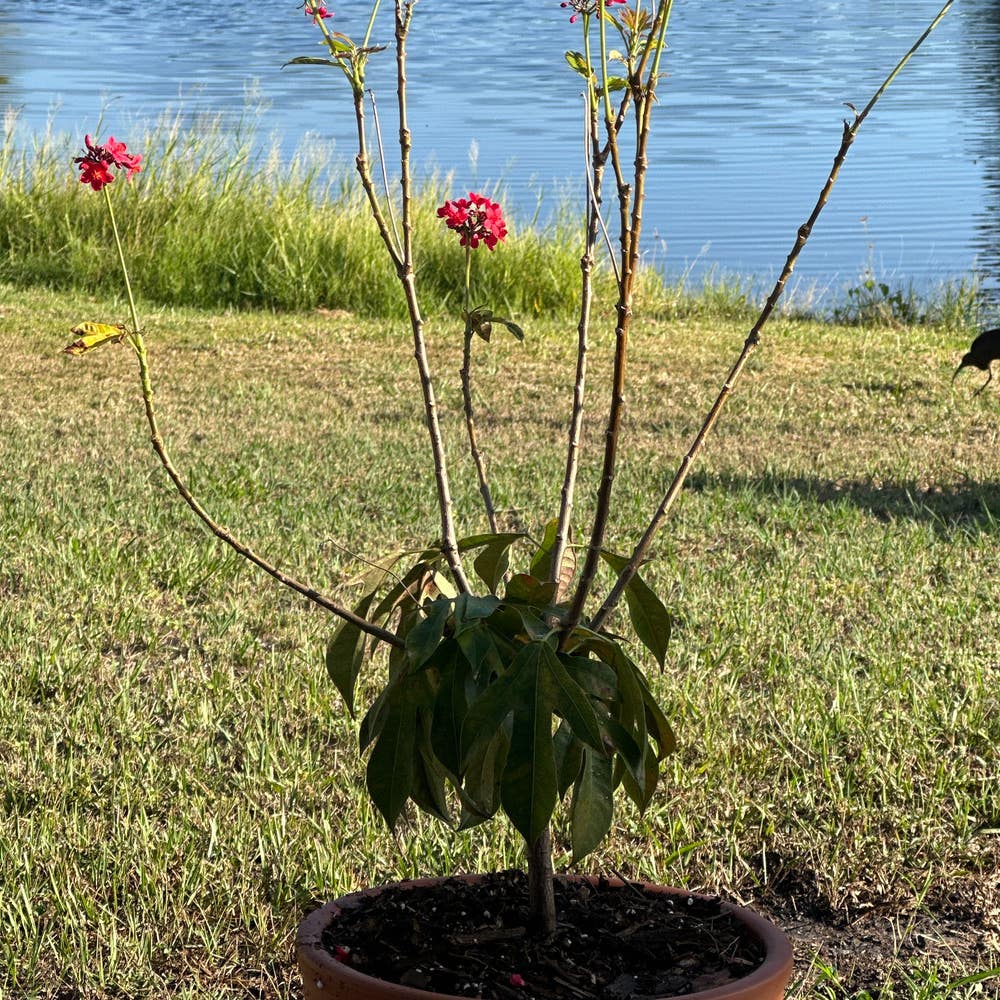
Pruning Peregrina isn't rocket science, but it does require some finesse. Sharp pruning shears are your best friend here; they'll slice through stems like butter, preventing damage. Start by removing dead or decayed stems. Snip them just above the damaged section or, if they're goners, all the way to the ground. Next, make each cut at a 45° angle—this isn't just for looks; it encourages robust new growth. If you're looking to control Peregrina's size, post-flowering is your time to shine; cut back up to one third of the plant's height and spread.
🌱 Shaping and Controlling Growth
Got a vision for your Peregrina's silhouette? Great, let's make it happen. Before you go Edward Scissorhands on it, take a moment to envision the desired shape. Now, prune to maintain that shape, encouraging a balanced form. If you're after more branches, cut above a node or leaf where you want new growth to burst forth. It's like giving your plant a subtle nudge, saying, "Hey, sprout some friends here."
🌸 Deadheading and Rejuvenation
Deadheading sounds grim, but it's all about encouraging new growth. Snip off those spent flowers just below the flower head; it's like flipping a switch that tells your Peregrina to stop moping over old blooms and get busy pushing out fresh ones. And if you're in the mood for a full-on rejuvenation, cutting back the entire plant after flowering can work wonders. It's like a spa day for your Peregrina, resulting in a burst of new energy and potentially more, albeit smaller, flowers.

Pruning for Health and Beauty
🌿 Removing Unwanted Growth
Vigilance is key when inspecting Peregrina for pruning. Diseased or damaged branches are not just an eyesore; they're a ticking time bomb for plant health. Snip them off to prevent decay from spreading. Remember, it's like excising bad habits from your routine—necessary and ultimately rejuvenating.
🌱 Thinning for Better Airflow
Overcrowding is a no-go. Strategic thinning ensures each leaf can breathe, reducing the risk of diseases that love to crash the dense foliage party. It's like decluttering your space; everything feels fresher and functions better. Aim for an open structure that allows air to circulate freely, keeping the plant's interior dry and less hospitable to pests.
🌸 Stimulating Flower Production
To get those blooms popping, pruning is not just a chop here and there; it's a calculated effort. Cut above a leaf node to encourage branching, which translates to more flowers. It's like directing traffic; you're telling the plant where to grow. Avoid heavy pruning in the scorching summer heat—think of leaves as nature's sunblock for your plant.
⚠️ Safety First
This content is for general information and may contain errors, omissions, or outdated details. It is not medical, veterinary advice, or an endorsement of therapeutic claims.
Always consult a qualified healthcare professional before using any plant as food, medicine, or supplement.
Never eat any plant (or feed one to pets) without confirming its identity with at least two trusted sources.
If you suspect poisoning, call Poison Control (800) 222-1222, the Pet Poison Helpline (800) 213-6680, or your local emergency service immediately.
Spotted an error? Please report it here.
Ensure your Peregrina is pruned to perfection 🌿 on time with Greg's tailored reminders, helping you snip and shape for a stunning bloom next season.