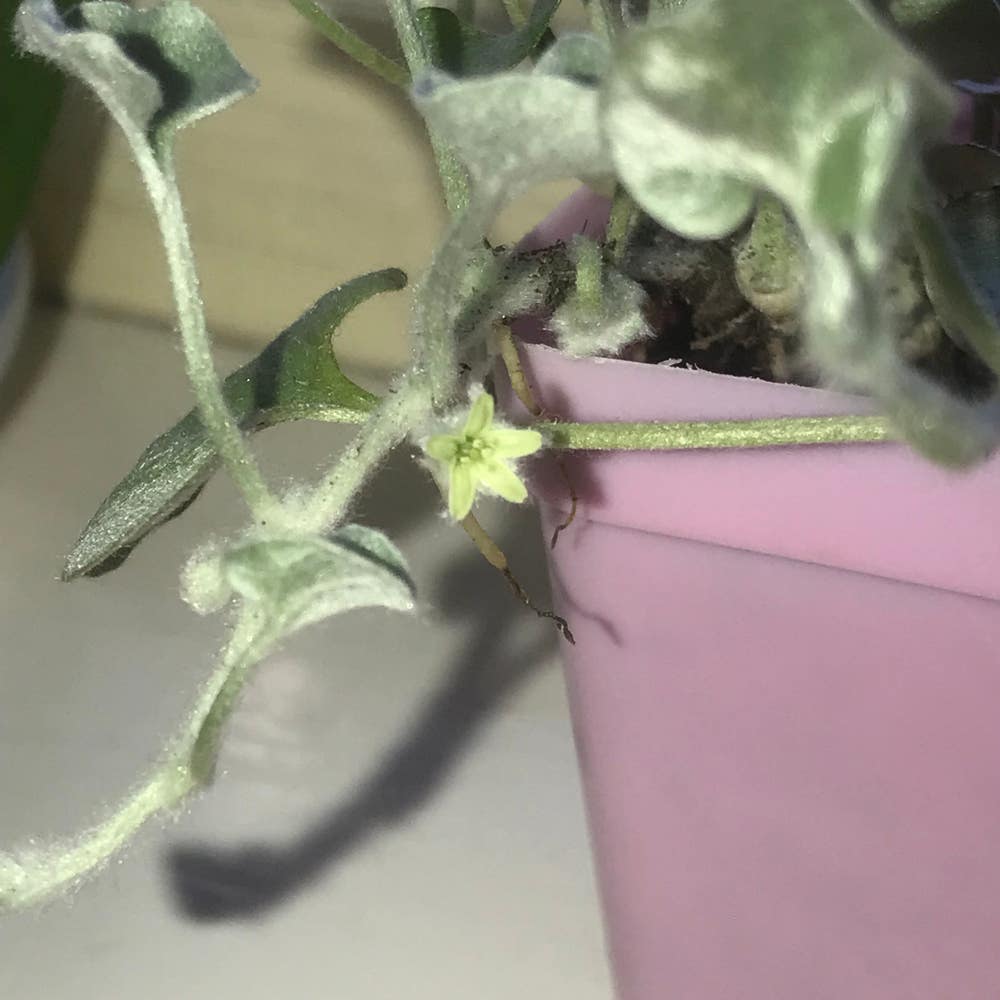
What Does It Mean When Silver Ponysfoot Blooms?
Dichondra argentea
By the Greg Editorial Team
Jun 18, 2024•8 min read
This article was created with the help of AI so we can cover more plants for you. May contain errors. See one? Report it here.
- 🌞 Direct light is crucial for Silver Ponysfoot to initiate blooming.
- 🌡️ Stable climate and humidity support the flowering process.
- ✂️ Prune early spring to stimulate and redirect energy for blooms.
Optimal Conditions for Silver Ponysfoot Flowering
💡 Light: The Spark of Life
Bright and direct light is non-negotiable for Silver Ponysfoot to strut its stuff with blooms. Think of it as the plant's personal trainer, pushing it to peak performance. Less than a foot from a sunny window is the sweet spot, but don't let it play hide and seek with the light; consistency is key.
🌡️ Temperature: The Comfort Zone
Silver Ponysfoot doesn't need a tropical vacation to flower, but it does appreciate a stable climate. Temperature swings are like bad breakups; they can stop the blooming in its tracks. Aim for a cozy 65°F to 75°F (18°C to 24°C) to keep the flowering on track.
💦 Humidity: The Balancing Act
Humidity is the unsung hero in the flowering saga of Silver Ponysfoot. Too much, and you're in a fungal horror story; too little, and the plant's thirstier than a marathon runner. Keep it around 50%—not too muggy, not too arid. It's about finding that Goldilocks zone.
🌬️ Airflow: The Breath of Fresh Air
Stagnant air is to Silver Ponysfoot what a stale sitcom is to comedy—no good. Ensure gentle airflow to keep things fresh, but avoid drafts as if they were spoilers for your favorite show. It's about keeping the atmosphere lively without causing a scene.

Soil and Nutrition's Effect on Flowering
Silver Ponysfoot thrives in well-draining soil. To achieve this, mix in organic matter like coco coir and add perlite for improved drainage. It's like making the perfect bed for your plant—comfortable and dry.
💩 Soil Composition
Organic matter is the secret sauce for Silver Ponysfoot's soil. It's not just about avoiding waterlogged roots; it's about creating a nutrient-rich environment where the plant can flourish.
🌱 Fertilization: The Nutrient Trifecta
When it comes to nutrients, think of the big three: nitrogen, phosphorus, and potassium (N-P-K). However, don't let nitrogen hog the spotlight; it's great for foliage but can be a blooming buzzkill in excess.
Timing and Balance
Fertilize with a balanced approach. A liquid fertilizer every couple of months during the growing season is like a well-rounded diet—enough to thrive, not so much that your plant gets the botanical equivalent of a sugar rush.
Soil Quality and Flowering
Nutrient-rich soil doesn't just happen. It's a result of attention and care, like a garden version of a savings account. The more you invest in soil quality, the richer the blooming rewards.
Practical Tips
To sum it up: mix, measure, and monitor. Mix in the right soil amendments, measure the balance of nutrients, and monitor the soil's condition. It's the trifecta for a blooming Silver Ponysfoot.

Recognizing Signs of Impending Blooms
As Silver Ponysfoot gears up for its floral showcase, certain telltale signs hint at the imminent blooms.
🌼 Visual Indicators
Budding is your first visual clue. Silver Ponysfoot's pre-bloom phase is marked by tiny buds that gradually swell. These are the infant stages of what will become delicate flowers.
🌱 Plant Behavior
A change in the plant's demeanor is also a giveaway. The once sprawling Silver Ponysfoot may start to conserve its energy, focusing more on these buds than on rampant growth.
🍃 Leaf Transformation
Expect a subtle shift in the foliage. Leaves may appear more vibrant as the plant channels nutrients to support the blooming process.
📈 Growth Pattern
Silver Ponysfoot's runners, those adventurous little tendrils, might slow their exploration. It's as if the plant is holding its breath, gathering strength before the big reveal.
🌍 Environmental Cues
Seasonal changes often act as a green light for flowering. If you've been marking your calendar, you'll notice Silver Ponysfoot sticks to its blooming schedule like clockwork, typically in the spring.
👀 Observation is Key
Keep your eyes peeled for these changes. When you spot them, it's time to tweak your care routine to nurture those forthcoming blooms. It's like the plant's sending you a coded message: "Get ready, the show is about to start."

Pruning and Care Techniques to Encourage Blooming
✂️ Pruning: A Strategic Approach
Pruning isn't just about keeping your Silver Ponysfoot looking tidy; it's a calculated move to stimulate flowering. By removing excess foliage, you redirect the plant's energy towards producing blooms. Think of it as a plant workout—trimming the excess to bulk up the blooms.
🕰 Timing is Everything
Don't just snip willy-nilly. Timing matters. Pruning at the wrong time can disrupt the flowering cycle, leading to disappointment. Aim for a pruning session just before the growth season kicks in, typically in early spring.
✂️ The Right Technique
Use sharp shears to make clean cuts, and don't go overboard. It's a delicate dance between cutting enough to encourage growth and not so much that you stress the plant. Focus on dead or overgrown areas to give your Silver Ponysfoot the best shot at blooming.
💧 Care Practices Post-Pruning
After pruning, your plant will be in a state of recovery. Watering should be done judiciously, allowing the soil to dry out between sessions. Overwatering can be as detrimental as neglect, so keep a keen eye on soil moisture.
🌱 Nutritional Support
Fertilization is key. A balanced diet with a phosphorus boost can encourage your Silver Ponysfoot to put on a floral show. But remember, moderation is key—too much fertilizer and you might end up with lush foliage but no flowers.
🌿 Environmental Factors
Lastly, don't underestimate the power of the right environment. Silver Ponysfoot thrives in well-draining soil enriched with organic matter. And while it's a champ at handling drought, ensure it's placed in an area that mimics its natural habitat for optimal blooming potential.
Addressing Blooming Challenges
💡 Common Issues Preventing Blooms
Insufficient light is a frequent culprit when Silver Ponysfoot fails to flower. This plant craves bright, direct light; a lack of it can keep the blooms at bay. If your Ponysfoot is playing it shy, scoot it closer to the window.
Overwatering or underwatering can also stress your plant, leading to a bloom-less existence. Silver Ponysfoot prefers a dry spell between waterings. Check the soil's moisture with your finger—if it's wet, wait it out.
🍽️ Nutrient Balance and Soil Quality
Soil that's not up to snuff can stifle flowering. Your plant's roots are picky eaters; they thrive in well-draining soil rich in organic matter. Consider mixing in some perlite or coco coir to give your soil the right texture and nutrients.
Fertilizer faux pas can also be a flower blocker. During the growing season, a balanced fertilizer is your friend, but too much can lead to nutrient overload. Think of it as a plant diet—moderation is key.
✂️ Pruning and Environmental Factors
Pruning can be a double-edged sword. While it can encourage growth, cutting back too much or at the wrong time can delay or prevent flowering. Trim with care, focusing on dead or overgrown sections.
Temperature and humidity swings are like mood swings for your Ponysfoot—they don't help with blooming. Aim for a stable environment to keep your plant in a good headspace for flowering.
🛡️ Tackling Pests and Diseases
Pests and diseases are like party crashers for plants. They can turn a blooming bash into a dud. Keep an eye out for unwelcome guests and use appropriate treatments to show them the door.
Remember, patience is a virtue when it comes to plant care. Sometimes, despite your best efforts, Silver Ponysfoot will bloom on its own sweet time. Keep the faith, and with the right care, those flowers will show up to the party.
Debunking Blooming Myths
Let's get real about Silver Ponysfoot and its blooming tall tales.
🌱 Pruning: A Flowering Fallacy?
Pruning won't magically make Silver Ponysfoot bloom. It's about removing the dead weight, so the plant can focus its energy on potential flowers.
🌍 Outdoor Growing: Zone Specifics
Thriving outdoors requires the right zone—10a to 12b for Silver Ponysfoot. Anything outside, and you're asking for trouble.
🌿 Soil: The Foundation of Flowering
Well-draining soil is non-negotiable. Think organic matter and a sprinkle of perlite for that perfect drainage mix.
🌸 Blooming Timing: Nature's Clock
Expect blooms in spring, but nature doesn't wear a watch. Consistency is key, not wishful thinking.
🌱 Seed Propagation: Post-Bloom Bonus
After the show, seeds can be your ticket to more Silver Ponysfoot. Patience during germination pays off.
🌡️ Blooming Indoors: A Temperature Game
Indoors, mimic the plant's native climate. Keep it between 60°F and 75°F—no dramatic temperature swings, please.
🌱 Companion Planting: Sense Over Superstition
Companion planting claims need a dose of skepticism. Stick to what makes sense for Silver Ponysfoot, not hearsay.
🚫 Persistent Myths: The Root of Misinformation
Cut through the noise. Silver Ponysfoot doesn't need myths; it needs careful, informed attention to bloom.
⚠️ Safety First
This content is for general information and may contain errors, omissions, or outdated details. It is not medical, veterinary advice, or an endorsement of therapeutic claims.
Always consult a qualified healthcare professional before using any plant as food, medicine, or supplement.
Never eat any plant (or feed one to pets) without confirming its identity with at least two trusted sources.
If you suspect poisoning, call Poison Control (800) 222-1222, the Pet Poison Helpline (800) 213-6680, or your local emergency service immediately.
Spotted an error? Please report it here.
Ensure your Silver Ponysfoot thrives 🌱 with Greg's tailored reminders for the perfect light, stable climate, and balanced watering your blooms need.