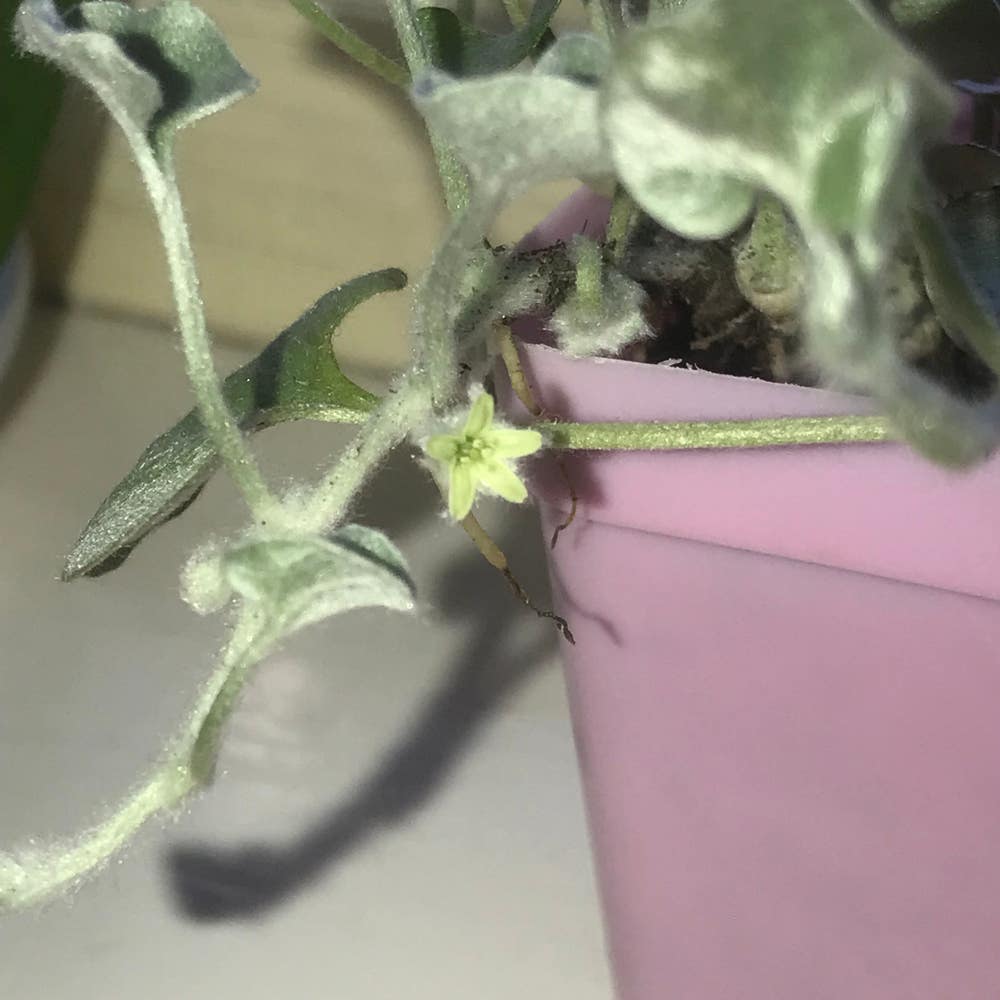
How Do I Propagate My Silver Ponysfoot?
Dichondra argentea
By the Greg Editorial Team
Jun 18, 2024•6 min read
This article was created with the help of AI so we can cover more plants for you. May contain errors. See one? Report it here.
- Divide with care: Choose healthy sections and water well after planting.
- Stem cuttings: Use rooting hormone and keep soil moist for success.
- Layering: Bury stems with lateral buds and monitor for root growth.
Propagation by Division
Dividing Silver Ponysfoot is like giving your plant a chance to multiply. It's straightforward, so let's dive in.
🌱 Step-by-Step Guide to Dividing Silver Ponysfoot
- Choose a healthy section of your plant that's showing signs of natural segmentation.
- Gently tease apart the roots, ensuring each division has ample roots attached.
- Snip with clean, sharp shears if roots are entangled, to minimize damage.
- Plant each division in well-draining soil, similar to the parent plant's mix.
🌿 Immediate Aftercare for Divisions
- Water the new divisions thoroughly to settle the soil around the roots.
- Avoid direct sunlight; bright, indirect light will help them recover without stress.
- Resist fertilizing for a few weeks; let the roots establish in peace.
- Monitor the soil moisture and only water when the top inch feels dry.
Remember, patience is key. Your new Silver Ponysfoot plants will thank you for the gentle start.

Propagation by Stem Cuttings
🌱 Selecting and Preparing Stem Cuttings
To kick off your Silver Ponysfoot propagation, choose a healthy stem—vibrant and free from any signs of distress. With sterilized scissors or a knife, make a clean cut just below a node, aiming for a 4-6 inch length. Strip the lower leaves to prevent potential rot, leaving a few at the top to keep photosynthesis going strong.
🌿 Rooting Stem Cuttings: Environment and Care
Rooting hormone is your cutting's backstage pass to quicker root growth, though it's not a must-have. After dipping the cut end into the hormone, plant it in a sterile, soilless medium. Keep the air and soil warm, between 65°F and 75°F, maybe with a heat mat's help. Bright, indirect light for 4-6 hours a day will encourage rooting without scorching your plant baby. Moisture is key, but don't drown it—think of it as a sippy cup, not a swimming pool. Patience is your virtue here; roots take time to develop, so keep an eye out for progress without poking around too much.

Propagation by Layering
Layering is a smart way to clone your Silver Ponysfoot without much fuss. It leverages the plant's natural tendency to root along the ground, making it an ideal candidate for this method.
🌱 Selecting Stems for Layering
Choose flexible stems from the current season's growth. These are more likely to root successfully. Ensure there's at least one lateral bud on the section you're burying, and one exposed to the air.
🌿 The Layering Process
Bend the selected stem down to the soil surface. Bury a section just beneath the shoot tip, leaving sections between uncovered. Secure the stem with stakes or small stones if needed.
🪓 Wounding for Better Results
Consider wounding the stem by making a slanting cut. This encourages the accumulation of rooting hormones above the wound, promoting root formation.
🌱 Covering and Caring
Once buried, cover the stem with a well-draining mix, perhaps one enhanced with perlite. This ensures good contact with the soil and prevents rot.
💧 Monitoring and Moisture
Keep the layered section moist but not soggy. Use a spray bottle to mist the soil as needed, maintaining the delicate balance of moisture that encourages root growth without causing decay.
🌱 Separation and Transplanting
After a few weeks, check for root development. Once the roots are established, you can sever the connection to the parent plant and transplant your new Silver Ponysfoot to its desired location.

Potting Propagated Silver Ponysfoot
💧 Selecting the Right Potting Mix
Well-draining soil is non-negotiable for Silver Ponysfoot. Mix in perlite or vermiculite with an all-purpose potting soil to boost drainage. Organic matter, like coco coir, can also be a game-changer, ensuring your plant's roots are cozy but not waterlogged.
🌱 Choosing Containers
The container saga: size matters, but so does material. Go for pots with drainage holes—terra cotta or unglazed ceramic are your best bets. They're like breathable workout gear for plants, preventing root rot by wicking away excess moisture.
🚿 Initial Watering and Light
Post-potting, water your Silver Ponysfoot just enough to dampen the soil—think of it as a welcome drink, not a flood. Place the pot in a spot where it gets bright, indirect light. Direct sunlight? Not a fan. It's like putting your plant in the middle of a dance floor at noon—too intense.
🌱 Post-Propagation Care
Keep the soil's thirst quenched but not drenched. Let it dry out between waterings to avoid the dreaded soggy-bottom syndrome. And remember, this isn't a set-it-and-forget-it deal. Your propagated Silver Ponysfoot is like a new hire; it needs guidance and a watchful eye to thrive.
Addressing Propagation Challenges
Identifying and solving common issues specific to propagating Silver Ponysfoot can be a bit like detective work—you're on the case to ensure your plant's success. Here's how to tackle the challenges head-on.
🕵️ Identifying Common Issues
Wilting divisions or cuttings can be a cry for help—either too much water or not enough. Check the soil's moisture level; it should feel like a wrung-out sponge, not a soaked bath towel. Rotting is another red flag, often a sign of waterlogged soil or poor air circulation. Adjust your watering habits and make sure your plants are breathing easy.
🚫 Tips for Non-Rooting Cuttings
When cuttings play hard to get and refuse to root, it's not a personal slight—it's a call to action. Ensure you're using a sterile, sharp knife for cuts to prevent damage. Dip the ends in rooting hormone to give them a leg up, and keep the soil consistently moist, but not drowning.
💔 Dealing with Unsuccessful Divisions
Divisions can be divas sometimes, demanding the right conditions to thrive. If they're not taking, don't force them apart like a bad breakup—look for natural divisions. Post-separation, treat them like VIPs: well-draining soil, consistent moisture, but no overwatering. It's a delicate balance, like avoiding spoilers for your favorite show.
🚨 Immediate Action for Problems
At the first sign of trouble—whether it's disease or pests—isolate the plant. Remove any affected parts with sterilized tools and treat with appropriate fungicides or insecticides. Dispose of infected material far from healthy plants to prevent an epidemic.
👀 Monitoring and Assessment
Stay vigilant and regularly inspect your Silver Ponysfoot for signs of distress. Early detection can turn a potential disaster into a mere blip on the propagation radar. Remember, even the best gardeners hit snags—it's part of the charm.
🌱 Good Practices
Implement good hygiene like crop rotation and debris removal to keep diseases at bay. Control weeds and pests with a keen eye, and maintain proper irrigation to avoid water stress. Clean your tools and pots regularly to prevent the spread of pathogens. It's like brushing your teeth—do it well, and you'll avoid a lot of trouble down the road.
⚠️ Safety First
This content is for general information and may contain errors, omissions, or outdated details. It is not medical, veterinary advice, or an endorsement of therapeutic claims.
Always consult a qualified healthcare professional before using any plant as food, medicine, or supplement.
Never eat any plant (or feed one to pets) without confirming its identity with at least two trusted sources.
If you suspect poisoning, call Poison Control (800) 222-1222, the Pet Poison Helpline (800) 213-6680, or your local emergency service immediately.
Spotted an error? Please report it here.
Ensure your Silver Ponysfoot propagation is a success 🌟 by using Greg to remind you when to water and how to care for your new plantlets every step of the way.