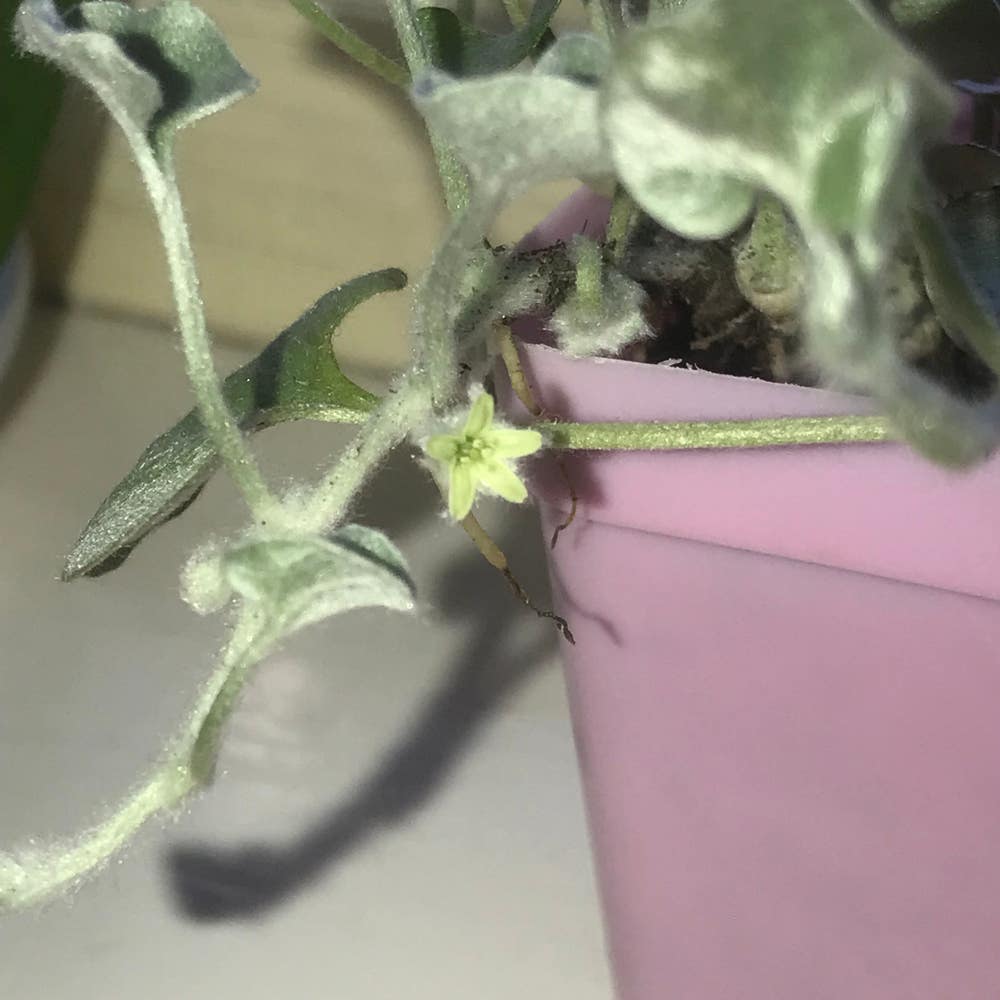
✂️ When and Where to Prune Your Silver Falls
Dichondra argentea
By the Greg Editorial Team
Nov 07, 2024•6 min read
This article was created with the help of AI so we can cover more plants for you. May contain errors. See one? Report it here.
- 🌱 Prune Silver Falls in spring and fall for optimal health and appearance.
- 🔍 Signs to prune include yellowing leaves, overgrowth, and reduced flowering.
- ✂️ Focus on dead stems and leggy growth to maintain shape and vigor.
When to Prune
🌱 Best Seasons for Pruning
Pruning your Silver Falls at the right time is crucial for its health and beauty.
Spring Pruning
Spring is the perfect season for rejuvenating growth after winter dormancy. Aim to prune between late March and early April, just after the last frost.
Fall Pruning
Fall pruning is ideal for tidying up your plant before winter sets in. Schedule this between late September and early October, ensuring it's done before heavy frost arrives.
🔍 Signs That Indicate When to Prune
Knowing when to prune can be as important as how to prune.
- Yellowing or Browning Leaves: This is a clear sign that your plant may need some attention.
- Overgrowth or Leggy Appearance: If your Silver Falls looks unruly, it’s time to trim back.
- Reduced Flowering or Foliage Density: A drop in blooms or leaves indicates that pruning could help revitalize growth.
🌦️ Timing Considerations Based on Local Climate
Your local climate plays a significant role in determining the best pruning schedule.
- Adjust for Frost Dates: Always consider local frost dates when planning your pruning.
- Regional Climate Impacts: Warmer areas may require different timing, as growth patterns can vary significantly.
By paying attention to these factors, you can ensure your Silver Falls thrives year-round. Next, let’s explore where to prune for optimal results.
Where to Prune
🌿 Identifying the Right Areas to Prune
When pruning your Silver Falls, start by focusing on specific areas that need attention. Look for dead or damaged stems, as these can hinder the plant's overall health.
Next, identify any overly long or leggy growth. This not only affects the plant's appearance but can also block light and airflow, which are crucial for a thriving garden.
✂️ Techniques for Shaping and Maintaining Desired Form
To encourage bushier growth, consider pinching back the tips of your Silver Falls. This simple technique promotes a fuller appearance and enhances the plant's overall vigor.
For a more natural look, cut back to a node or leaf junction. This method helps maintain the plant's shape while allowing it to grow in a more organic fashion.
If you're aiming for that beautiful cascading form, selectively prune the longer stems. This technique ensures that the plant retains its signature waterfall effect while staying healthy.
☀️ How to Prune for Optimal Light Exposure and Air Circulation
For optimal growth, remove inner foliage to allow light to penetrate deeper into the plant. This practice not only boosts photosynthesis but also encourages new growth.
Additionally, thin out crowded areas to improve airflow. Better circulation reduces the risk of diseases, keeping your Silver Falls looking vibrant and healthy.
By following these pruning guidelines, you can ensure your Silver Falls remains a stunning focal point in your garden. Next, let’s explore the importance of deadheading to promote continuous blooming.
Deadheading
🌼 Explanation of Deadheading and Its Benefits
Deadheading is the practice of removing spent flowers from your plants. This simple act promotes new growth and encourages continuous blooming throughout the season.
The benefits of deadheading are twofold. First, it helps maintain the plant's aesthetic appeal by preventing unsightly seed heads. Second, it conserves the plant's energy, redirecting it from seed production to producing more flowers.
✂️ Step-by-Step Instructions for Deadheading
To effectively deadhead your plants, follow these straightforward steps:
- Identify the spent flowers on the plant that need removal.
- Use sharp pruning shears to cut the stem just above the first set of healthy leaves.
- Dispose of the removed flowers properly to prevent the spread of disease.
This process not only keeps your plants looking their best but also supports their overall health.
⏰ Timing for Deadheading to Encourage New Growth
Timing is crucial when it comes to deadheading. The best practice is to deadhead throughout the growing season, especially after flowering peaks.
Keep an eye on your plants for new blooms. Deadhead as needed to ensure your plants continue to thrive and produce beautiful flowers.
With proper deadheading, your Silver Falls will not only look vibrant but also flourish beautifully. This practice sets the stage for the next important aspect of plant care: understanding common pruning mistakes.
Common Pruning Mistakes
🪴 Frequent Errors in Pruning
Pruning can be a double-edged sword. Over-pruning, or removing too much foliage, can stress your silver falls, leaving it vulnerable to disease and stunted growth.
On the flip side, under-pruning can be just as detrimental. Neglecting to remove dead or diseased parts can compromise the plant's health and overall appearance.
⚖️ How to Avoid Over-Pruning or Under-Pruning
To strike the right balance, follow the one-third rule. This guideline suggests that you should never remove more than one-third of the plant at a time to maintain its vitality.
Regularly assess your plant's health and growth patterns. Observing how your silver falls responds to pruning will help you make informed decisions in the future.
🌱 Tips for Maintaining a Healthy Plant Post-Pruning
After pruning, keep an eye out for signs of stress, such as wilting or discoloration. These indicators can help you gauge how well your plant is coping with the changes.
Adjust your care practices based on your plant's response. Tailoring your approach will ensure your silver falls thrives in its newly shaped form.
With these insights, you can confidently navigate the pruning process, setting your silver falls up for success. Next, let’s explore the essential post-pruning care to keep your plant healthy and vibrant.
Post-Pruning Care
Immediate Care After Pruning 🌱
After pruning your Silver Falls, it's crucial to provide immediate care to help the plant recover. Start by watering lightly; this reduces stress and helps the plant adjust to its new shape.
Avoid fertilizing right after pruning. Fertilizers can shock the plant, so give it time to heal before introducing any nutrients.
Monitoring Plant Health Post-Pruning 👀
Keep an eye on your plant's health in the weeks following pruning. Check for new growth within 2-4 weeks, as this is a good indicator that your plant is responding well.
Also, watch for any signs of pests or diseases. Pruning can sometimes expose the plant to new threats, so vigilance is key.
Adjusting Watering and Fertilization After Pruning 💧
Maintaining proper watering is essential after pruning. Ensure consistent moisture without overwatering, as too much water can lead to root rot.
When it comes to fertilization, wait about 4-6 weeks before resuming your regular schedule. This allows the plant to recover fully and minimizes the risk of shock.
By following these post-pruning care tips, you’ll set your Silver Falls up for a healthy and vibrant growing season. Next, let’s explore common pruning mistakes to avoid for the best results.
⚠️ Safety First
This content is for general information and may contain errors, omissions, or outdated details. It is not medical, veterinary advice, or an endorsement of therapeutic claims.
Always consult a qualified healthcare professional before using any plant as food, medicine, or supplement.
Never eat any plant (or feed one to pets) without confirming its identity with at least two trusted sources.
If you suspect poisoning, call Poison Control (800) 222-1222, the Pet Poison Helpline (800) 213-6680, or your local emergency service immediately.
Spotted an error? Please report it here.
Keep your Silver Falls thriving and vibrant 🌿 by using Greg's tailored pruning reminders and expert tips to ensure it flourishes all season long!