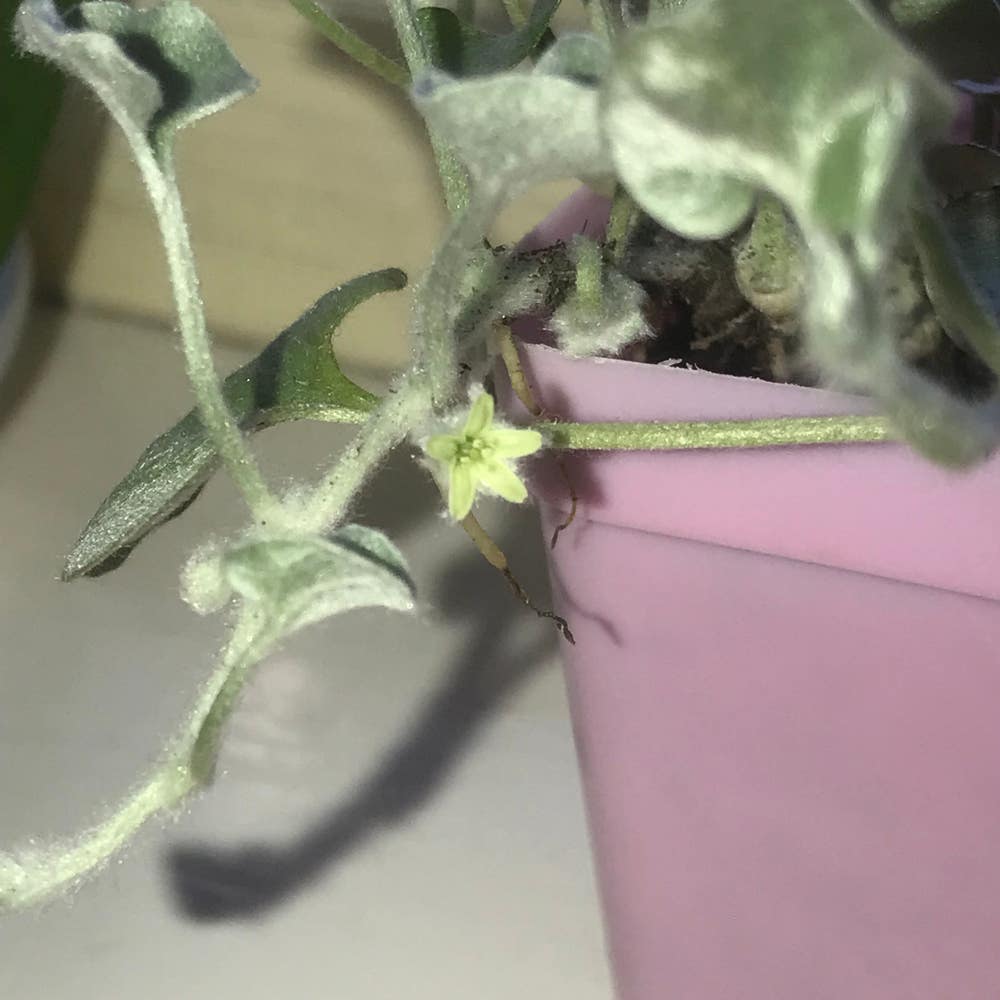
8 Key Phases of Silver Button Plant Development 🌱
Dichondra argentea
By the Greg Editorial Team
Oct 19, 2024•6 min read
This article was created with the help of AI so we can cover more plants for you. May contain errors. See one? Report it here.
- 🌱 Germination takes 7-14 days with optimal temperature and moisture for success.
- ☀️ Seedlings need bright, indirect sunlight and careful watering to thrive.
- 🌼 Flowering occurs 10-12 weeks post-germination, leading to seed pod development.
Germination Phase
🌱 Duration and Conditions for Germination
Germination is a crucial first step in the life of the Silver Button Plant. Typically, seeds will sprout within 7 to 14 days, given the right conditions.
For optimal growth, maintain a temperature between 20°C to 25°C (68°F to 77°F). The soil should be consistently moist but not waterlogged, creating a perfect environment for those tiny seeds to thrive.
🔍 Factors Affecting Germination Success
Several factors can influence how well your seeds germinate. First, seed quality matters; fresh seeds generally have higher germination rates.
Next, consider the soil type. Well-draining, nutrient-rich soil enhances germination success. Lastly, light exposure plays a role; some seeds need light to germinate, while others prefer darkness. Understanding these factors can significantly improve your chances of a successful germination phase.
As you prepare for the next stage, keep in mind that nurturing your seedlings will set the foundation for a healthy plant.
Seedling Stage
🌱 Characteristics of Seedlings
During the seedling stage, the silver button plant showcases its initial leaf structure, starting with cotyledons. These are the first leaves that emerge, followed by the development of true leaves, which are essential for photosynthesis.
At the end of this phase, seedlings typically reach a height of 2-4 inches. This growth is a promising sign of a healthy plant, ready to transition into the next developmental stage.
⏳ Duration and Care During This Phase
The seedling stage lasts about 2-4 weeks, a crucial period for establishing strong roots. Providing the right care during this time sets the foundation for future growth.
Bright, indirect sunlight is essential for seedlings. Too much direct light can scorch them, while too little can stunt their growth.
Watering is another critical aspect. Keep the soil consistently moist but avoid overwatering, which can lead to root rot. A careful balance will help your seedlings thrive.
As you nurture your silver button plant through this stage, you'll witness its transformation into a robust young plant. This growth phase is not just about height; it's about building resilience for the challenges ahead.
With the seedlings well on their way, the next phase of vegetative growth promises even more exciting developments.
Vegetative Growth
🌱 Description of Growth Patterns
During the vegetative growth phase, the silver button plant showcases a remarkable growth habit. You’ll notice rapid leaf expansion and stem elongation, which are vital for the plant's overall health.
The leaves themselves are a striking silver-green, adding a unique aesthetic to your garden. Their distinctive shape not only enhances visual appeal but also plays a role in photosynthesis.
⏳ Duration and Environmental Needs
This phase typically lasts between 4 to 8 weeks. To thrive, the silver button plant requires full sun to partial shade, needing at least 6 hours of sunlight daily.
Nutrient intake is crucial during this time. Regular feeding with a balanced fertilizer every 4-6 weeks will support robust growth and vibrant foliage.
As the plant flourishes, keep an eye on its needs to ensure it reaches its full potential. With the right care, you’ll witness a transformation that sets the stage for flowering and seed production.
Flowering and Seed Production
Timing and Conditions for Flowering 🌸
The flowering phase of the Silver Button Plant typically occurs 10-12 weeks after germination. This timing is crucial, as it aligns with longer daylight hours and optimal temperatures, which are essential for triggering this beautiful transformation.
Pollination and Flower Characteristics 🐝
During flowering, the plant produces small, clustered flowers that boast a unique shape. These flowers are primarily insect-pollinated, although self-pollination is also possible, ensuring that the plant can reproduce even in less-than-ideal conditions.
Duration of Flowering ⏳
The flowering period lasts about 2-4 weeks, during which the plant showcases its vibrant blooms. This brief yet stunning display is a highlight of the plant's life cycle, attracting pollinators and adding beauty to any garden.
Process of Seed Formation 🌱
After pollination, the magic continues as flowers develop into seed pods. This process marks the beginning of seed formation, with seed pods maturing in approximately 4-6 weeks after flowering. This maturation is vital for the next generation of Silver Button Plants, ensuring the cycle continues.
As we explore the overall lifespan and growth rate of the Silver Button Plant, we’ll uncover how these phases interconnect to create a thriving ecosystem.
Overall Lifespan and Growth Rate
🌱 Average Lifespan of Silver Button Plant
The Silver Button Plant typically enjoys a lifespan of 2 to 5 years when grown under optimal conditions. This longevity allows gardeners to appreciate its beauty and benefits for several seasons.
⏳ How Long Until Fully Grown?
From seed to maturity, expect the Silver Button Plant to take about 3 to 4 months. This relatively quick turnaround makes it an appealing choice for those eager to see results.
🚀 Speed of Growth Through Different Stages
Understanding the growth stages can help you provide the best care:
- Germination: 1-2 weeks
- Seedling: 2-4 weeks
- Vegetative: 4-8 weeks
- Flowering: 10-12 weeks
Overall, the growth rate is moderate, with a noticeable burst of activity during the vegetative phase. This is when the plant really starts to show off its vibrant foliage and robust structure.
As you nurture your Silver Button Plant, you'll witness its transformation from a tiny seed to a thriving specimen. This journey not only enriches your gardening experience but also deepens your connection with nature.
Next, we’ll explore the notable changes throughout its life cycle, highlighting the fascinating developments that occur as the plant matures.
Notable Changes Throughout Its Life Cycle
The silver button plant undergoes remarkable transformations as it matures. Initially, it starts as a small seedling, gradually evolving into a robust plant with distinctive foliage.
🌱 Transition from Seedlings to Mature Plants
During the early stages, seedlings are delicate and small. As they grow, they develop a lush, vibrant appearance that signals their health and vitality.
🌼 Development of Flowers and Seed Pods
As the plant continues to mature, it enters the flowering phase. This stage is crucial, as it marks the beginning of the reproductive cycle, leading to the formation of seed pods.
🍃 Changes in Leaf Color and Texture
Throughout its life cycle, the silver button plant exhibits notable changes in leaf color and texture. These variations reflect the plant's overall health and its response to environmental conditions, providing a visual cue of its well-being.
The journey from seedling to a mature, flowering plant is not just a biological process; it’s a testament to resilience and adaptation. Understanding these changes can deepen your appreciation for this unique plant as it thrives in its environment.
Next, let’s explore the average lifespan and growth rate of the silver button plant, shedding light on how long you can expect to enjoy its beauty.
⚠️ Safety First
This content is for general information and may contain errors, omissions, or outdated details. It is not medical, veterinary advice, or an endorsement of therapeutic claims.
Always consult a qualified healthcare professional before using any plant as food, medicine, or supplement.
Never eat any plant (or feed one to pets) without confirming its identity with at least two trusted sources.
If you suspect poisoning, call Poison Control (800) 222-1222, the Pet Poison Helpline (800) 213-6680, or your local emergency service immediately.
Spotted an error? Please report it here.
Master the growth journey of your Silver Button Plant 🌼 with Greg's tailored care reminders, ensuring each phase from seed to bloom is a success!