🐝 The Best Pollinators for Your Silver Falls
Dichondra argentea
By the Greg Editorial Team
Nov 07, 2024•5 min read
This article was created with the help of AI so we can cover more plants for you. May contain errors. See one? Report it here.
- 🌼 Silver Falls attracts bees and butterflies with its scent and nectar-rich flowers.
- 🌱 Self-pollination ensures reproduction even when pollinators are scarce, enhancing resilience.
- 🐝 Creating a pollinator-friendly garden boosts biodiversity and supports local ecosystems.
Flower Structure
Description of Flower Characteristics 🌸
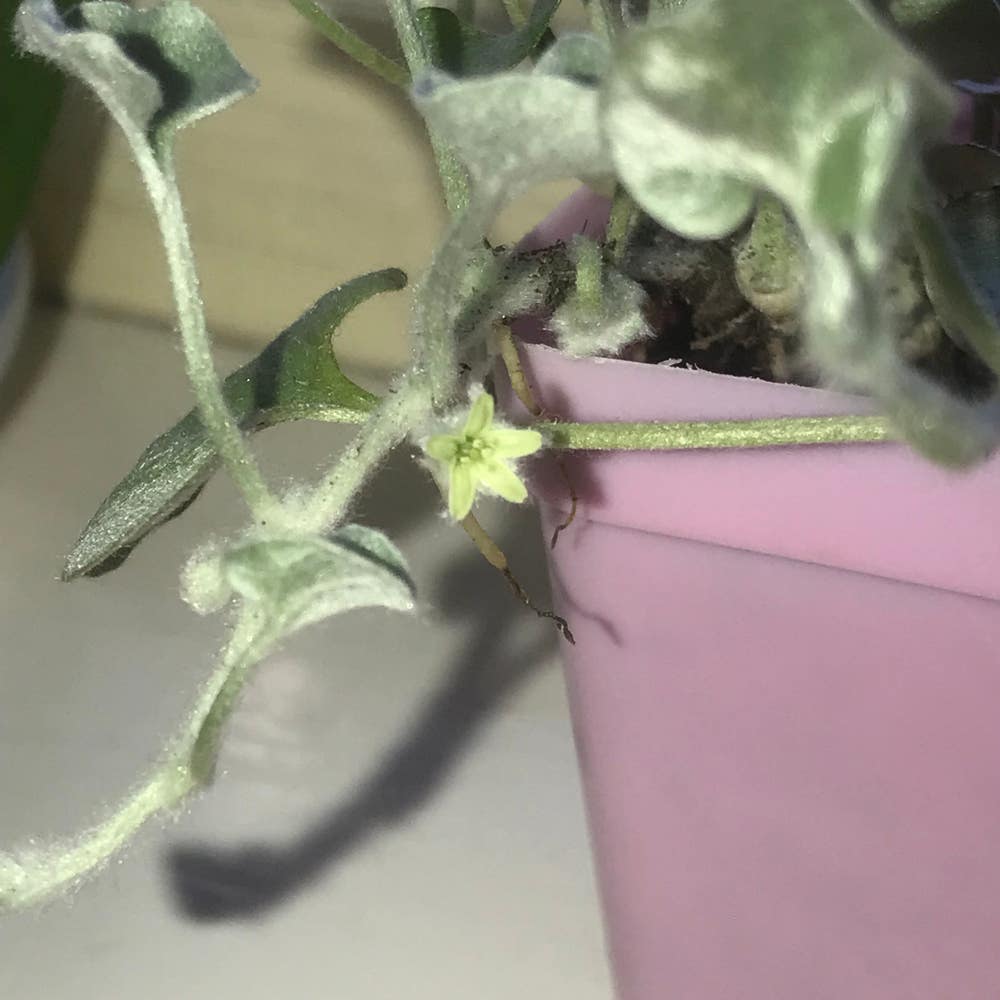
Silver Falls features small, bell-shaped flowers that can easily go unnoticed. Their delicate white to pale green hues allow them to blend seamlessly with the surrounding foliage.
The flowers grow in clusters, often hidden among the leaves, creating a charming yet discreet display. This arrangement not only adds to their beauty but also plays a crucial role in their pollination strategy.
Role of Flower Structure in Pollination 🐝
The unique structure of Silver Falls flowers facilitates self-pollination, allowing pollen to transfer within the same flower. This self-sufficiency ensures that reproduction can occur even when pollinators are scarce.
However, the design of these flowers also attracts a variety of pollinators, enhancing opportunities for cross-pollination. By drawing in bees, butterflies, and hummingbirds, Silver Falls increases genetic diversity, which is vital for plant health and resilience.
In summary, the flower structure of Silver Falls is a remarkable blend of subtlety and functionality, ensuring both self-sufficiency and the allure of pollinators. This dual approach not only supports the plant's reproductive success but also enriches the surrounding ecosystem.
Next, we will explore the pollination process in detail, focusing on both self-pollination and cross-pollination techniques.
Pollination Process
Self-Pollination 🌱
Silver Falls has a fascinating ability to self-pollinate under certain conditions. This mechanism ensures that the plant can reproduce even when pollinators are scarce, making it resilient in various environments.
Self-pollination offers several benefits for plant health. It guarantees seed production, which is crucial for the plant's survival and propagation, especially in isolated areas where pollinators may not be present.
Cross-Pollination 🐝
While self-pollination is effective, cross-pollination enhances genetic diversity. Key pollinators like bees, butterflies, and hummingbirds play a vital role in this process, interacting with Silver Falls in unique ways.
These pollinators are attracted to Silver Falls through a combination of flower scent, vibrant color, and the availability of nectar. This attraction not only aids in pollination but also supports the overall health of the ecosystem.
By understanding both self-pollination and the role of cross-pollination, gardeners can appreciate the intricate relationships that sustain Silver Falls and its pollinators. This knowledge sets the stage for exploring hand pollination techniques, ensuring that these beautiful plants thrive.
Hand Pollination Techniques
Hand pollination can be a rewarding way to ensure the successful reproduction of your Silver Falls. This technique is particularly useful when natural pollinators are scarce or when you want to control the pollination process for specific outcomes.
🌼 Step-by-Step Instructions for Hand Pollinating
1. Identifying Male and Female Flower Parts
Start by locating the male parts of the flower, known as stamens, which produce pollen. Next, identify the female part, called the pistil, where the pollen needs to be transferred for fertilization to occur.
2. Collecting Pollen
Once you've identified the flower parts, use a small brush or a cotton swab to gently collect pollen from the stamens. This step requires a delicate touch to avoid damaging the flower.
3. Transferring Pollen
After collecting the pollen, carefully apply it to the stigma of the pistil. This transfer is crucial for successful fertilization, so ensure that the pollen makes good contact.
4. Timing for Hand Pollination
Timing is key; hand pollination is best performed during the flowering period when the flowers are fully open. This ensures that the stigma is receptive and ready to receive pollen.
Hand pollination not only enhances your gardening skills but also fosters a deeper connection with your plants. By taking these steps, you can help ensure that your Silver Falls thrive and produce seeds, contributing to their beauty and resilience.
Next, let’s explore how to create a pollinator-friendly environment to support these plants and their pollination needs.
Supporting Pollinators
🌼 Creating a Pollinator-Friendly Environment
Creating a welcoming habitat for pollinators is essential for the health of your Silver Falls. Start by planting native flowers, which are specifically adapted to local conditions and attract a diverse range of pollinators.
In addition to flowers, providing water sources is crucial. Shallow dishes filled with water can serve as drinking spots for thirsty bees, butterflies, and hummingbirds.
🌱 Suggested Companion Plants
Choosing the right companion plants can significantly enhance your garden's appeal to pollinators. Here are some excellent options:
- Lavender: This fragrant herb attracts bees and butterflies, adding both beauty and scent to your garden.
- Coneflower: Known for its vibrant blooms, coneflower provides nectar for various pollinator species, making it a garden favorite.
- Marigolds: These cheerful flowers not only deter pests but also attract beneficial insects, creating a balanced ecosystem.
By incorporating these plants, you can create a thriving environment that supports pollinators and enhances the beauty of your Silver Falls. This not only benefits your garden but also contributes to the overall health of local ecosystems.
As you cultivate this pollinator-friendly space, consider the next steps to address potential pollination challenges.
Pollination Challenges
🌪️ Common Obstacles to Successful Pollination
Pollination success can be significantly impacted by environmental factors. Temperature fluctuations, humidity levels, and sunlight exposure all play crucial roles in determining whether pollination occurs effectively.
Additionally, the decline in pollinator populations poses a serious challenge for Silver Falls. With fewer bees, butterflies, and hummingbirds around, the chances of cross-pollination diminish, leading to potential reproductive issues for the plant.
🛠️ Solutions for Overcoming Challenges
Creating optimal growing conditions is essential for supporting pollination. Ensure that your Silver Falls plants are situated in areas with adequate sunlight and consistent moisture to promote healthy growth.
To encourage more pollinator activity, consider planting a diverse range of flowering plants. This not only attracts various pollinators but also helps create a balanced ecosystem. Reducing pesticide use is another effective strategy, as it protects these vital creatures while allowing them to thrive in your garden.
By addressing these challenges, you can enhance the pollination process and support the health of your Silver Falls.
⚠️ Safety First
This content is for general information and may contain errors, omissions, or outdated details. It is not medical, veterinary advice, or an endorsement of therapeutic claims.
Always consult a qualified healthcare professional before using any plant as food, medicine, or supplement.
Never eat any plant (or feed one to pets) without confirming its identity with at least two trusted sources.
If you suspect poisoning, call Poison Control (800) 222-1222, the Pet Poison Helpline (800) 213-6680, or your local emergency service immediately.
Spotted an error? Please report it here.
Create a pollinator-friendly paradise 🌿 for your Silver Falls with Greg's tailored care tips that ensure your plants thrive and attract the right pollinators!