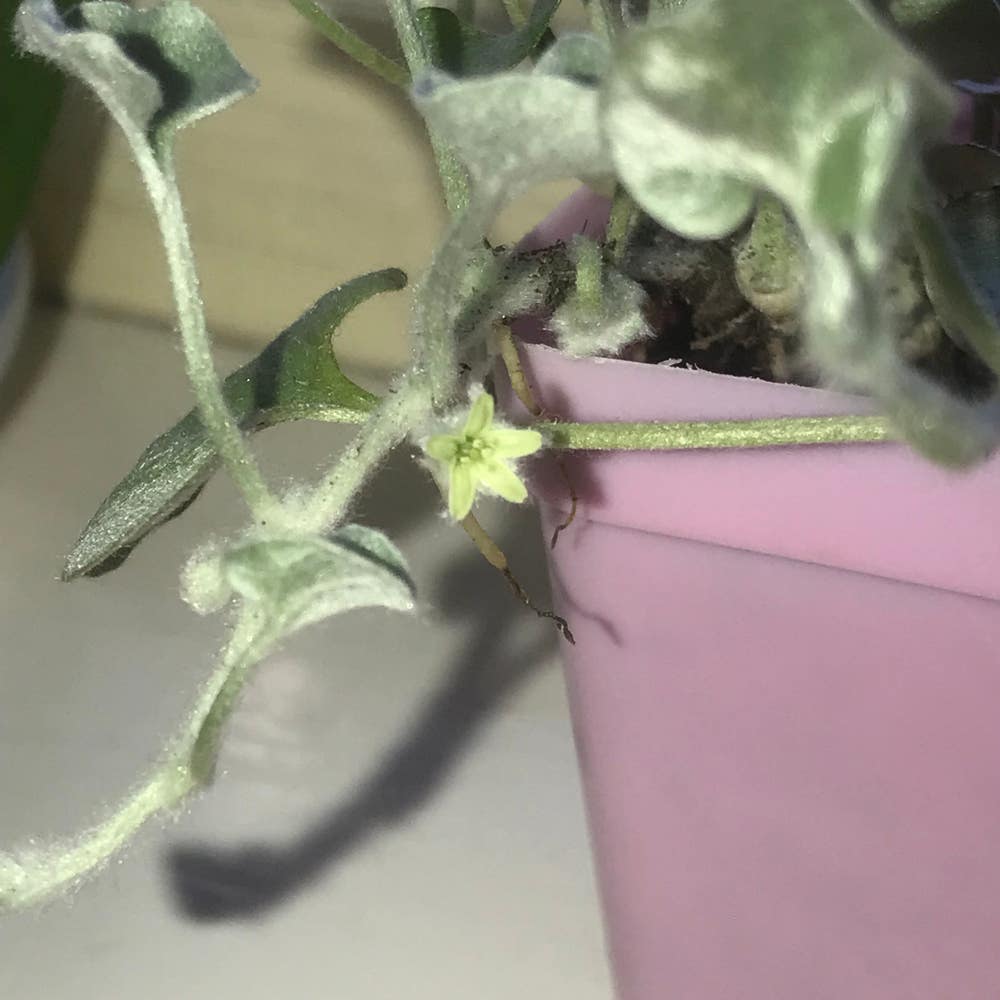
3 Do's and Don'ts of Growing Silver Button Plant
Dichondra argentea
By the Greg Editorial Team
Oct 19, 2024•5 min read
This article was created with the help of AI so we can cover more plants for you. May contain errors. See one? Report it here.
- 🌞 Silver Button Plants thrive in bright, indirect light; avoid harsh conditions for best growth.
- 💧 Watering correctly is crucial: let soil dry out to prevent root rot.
- 🌱 Use well-draining soil and maintain humidity for optimal health and growth.
Site Selection and Soil Preparation
🌍 Choosing the Right Location
Selecting the right spot for your Silver Button Plant is crucial for its growth. It thrives in bright, indirect light but can also tolerate partial shade, making it versatile for various indoor and outdoor settings.
When placing your plant, consider the temperature and humidity levels. Indoor environments may require additional humidity, while outdoor placements should be shielded from harsh winds.
🌱 Soil Type and pH Requirements
The ideal soil for your Silver Button Plant is a well-draining potting mix. You can enhance drainage by adding perlite or sand, ensuring the roots don’t sit in water.
Aim for a pH range of 6.0 to 7.0, which is slightly acidic to neutral. This balance helps the plant absorb nutrients effectively.
🧑🌾 Soil Preparation Techniques
To boost soil fertility, incorporate organic matter like compost. This not only enriches the soil but also improves its structure.
For optimal drainage, use pots with drainage holes. Adding gravel at the bottom can further prevent water accumulation, keeping your plant healthy and happy.
With the right location and soil preparation, your Silver Button Plant will be set for success. Next, let’s explore the best planting techniques to ensure a thriving growth journey.
Planting Techniques
Best Planting Times 🌱
Spring is the prime season for planting or repotting your Silver Button Plant. Aim to plant outdoors only after the last frost to ensure optimal growth.
Planting Depth and Spacing 📏
When planting, ensure you place the plant at the same depth it was in the nursery pot. For outdoor planting, maintain a spacing of 12-18 inches between each plant to allow for healthy growth.
Container vs. Ground Planting 🪴
Container growing offers the advantage of mobility, allowing you to easily adjust light and temperature conditions. On the other hand, ground planting requires thoughtful consideration of garden layout and companion plants to maximize space and health.
By understanding these planting techniques, you set the stage for a thriving Silver Button Plant. Next, let’s explore the essential aspects of watering and fertilizing to keep your plant healthy and vibrant.
Watering and Fertilizing
💧 Watering Frequency and Techniques
Watering your Silver Button Plant is straightforward. Allow the top inch of soil to dry out between waterings to prevent root rot.
When you do water, ensure you do so thoroughly. Water until it drains from the bottom of the pot, ensuring the roots get the moisture they need.
🌱 Fertilizer Types and Application Schedule
Fertilizing is essential for healthy growth. Use a balanced liquid fertilizer every 4-6 weeks during the growing season to keep your plant thriving.
If you prefer organic options, consider compost tea or fish emulsion. These alternatives can provide nutrients without synthetic chemicals.
🚿 Signs of Overwatering or Underwatering
Recognizing the signs of overwatering is crucial. Look for yellowing leaves and mushy stems, which indicate too much moisture.
On the flip side, underwatering can lead to wilting and crispy leaf edges. Keeping an eye on these symptoms will help you maintain a healthy plant.
As you refine your watering and fertilizing routine, you'll set the stage for robust growth. Next, let's explore pruning and maintenance to keep your Silver Button Plant in top shape.
Pruning and Maintenance
✂️ When and How to Prune
Pruning your Silver Button Plant is essential for its health. Aim to do this in early spring or late winter, just before new growth begins.
Use clean, sharp scissors to snip away any dead or damaged leaves. This not only improves the plant's appearance but also encourages fresh growth.
🧹 Ongoing Care Routine
In addition to pruning, establish a regular care routine. Deadheading spent flowers is crucial; it promotes new blooms and keeps your plant vibrant.
Don't forget to wipe the leaves with a damp cloth to remove dust. This simple step enhances photosynthesis and keeps your plant looking its best.
🌦️ Seasonal Care Adjustments
As the seasons change, so should your care approach. Adjust your watering and fertilizing schedule according to the plant's needs during different times of the year.
In winter, protect your Silver Button Plant from cold drafts. This small adjustment can make a significant difference in its overall health.
Transitioning to the next topic, understanding common challenges and solutions will further enhance your gardening success.
Common Challenges and Solutions
🐛 Identifying Pests and Diseases
Silver Button Plants can face a few pesky intruders. Common culprits include aphids, mealybugs, and spider mites.
Look out for sticky residue, webbing, or visible insects on your plants. These signs indicate an infestation that needs immediate attention.
🌡️ Environmental Stress Factors
Temperature plays a crucial role in the health of your Silver Button Plant. The ideal range is between 65°F to 80°F (18°C to 27°C).
Humidity is another key factor; these plants thrive in high humidity. Consider using a humidity tray to create a more favorable environment.
🛠️ Troubleshooting Growth Issues
If your plant shows stunted growth, it might be time to investigate root rot or nutrient deficiencies. Check the roots and soil quality to ensure they’re healthy.
Leaf drop can also be a concern. Assess your watering practices and environmental conditions to pinpoint the issue.
With these tips, you can tackle common challenges and keep your Silver Button Plant thriving. Next, let’s explore the essential pruning and maintenance techniques to ensure your plant remains healthy and vibrant.
⚠️ Safety First
This content is for general information and may contain errors, omissions, or outdated details. It is not medical, veterinary advice, or an endorsement of therapeutic claims.
Always consult a qualified healthcare professional before using any plant as food, medicine, or supplement.
Never eat any plant (or feed one to pets) without confirming its identity with at least two trusted sources.
If you suspect poisoning, call Poison Control (800) 222-1222, the Pet Poison Helpline (800) 213-6680, or your local emergency service immediately.
Spotted an error? Please report it here.
Nurture your Silver Button Plant to vibrant health 🌱 with Greg's tailored care tips and reminders that ensure it thrives in its perfect environment!