💡 8 Tips for Light Requirements for Your Silver Button Plant
Dichondra argentea
By the Greg Editorial Team
Oct 19, 2024•3 min read
This article was created with the help of AI so we can cover more plants for you. May contain errors. See one? Report it here.
- 🌞 Silver Button Plants thrive in bright indirect light for optimal growth and flowering.
- 📏 Use a light meter to ensure your plant receives adequate brightness consistently.
- 🌱 Adjust light conditions seasonally to enhance growth and blooming potential.
Light Requirements for Silver Button Plant
🌞 Indoor Light Conditions
Ideal Indoor Lighting
For your Silver Button Plant, bright indirect light is key. Position it near windows where it can bask in filtered sunlight for optimal growth.
Low light conditions are tolerable but can stunt flowering and slow growth. If you notice your plant lagging, it might be time to reassess its light situation.
Houseplant Lighting Tips
To ensure even light exposure, rotate your plant regularly. This simple action helps all sides receive adequate light.
Additionally, monitor light levels using a light meter. This tool can help you gauge whether your plant is getting enough brightness.
🌳 Outdoor Light Conditions
Optimal Outdoor Lighting
When outdoors, your Silver Button Plant thrives in bright indirect light. Avoid harsh direct sunlight, as it can lead to unsightly leaf burn.
The best spots for your plant are under the canopy of taller plants or in shaded areas that receive dappled sunlight. These locations provide the perfect balance of light and protection.
Seasonal Adjustments
As seasons change, so does light intensity. Keep an eye on your plant's environment and adjust its placement accordingly to maintain optimal conditions.
🌼 Impact of Light on Flowering
Flowering Conditions
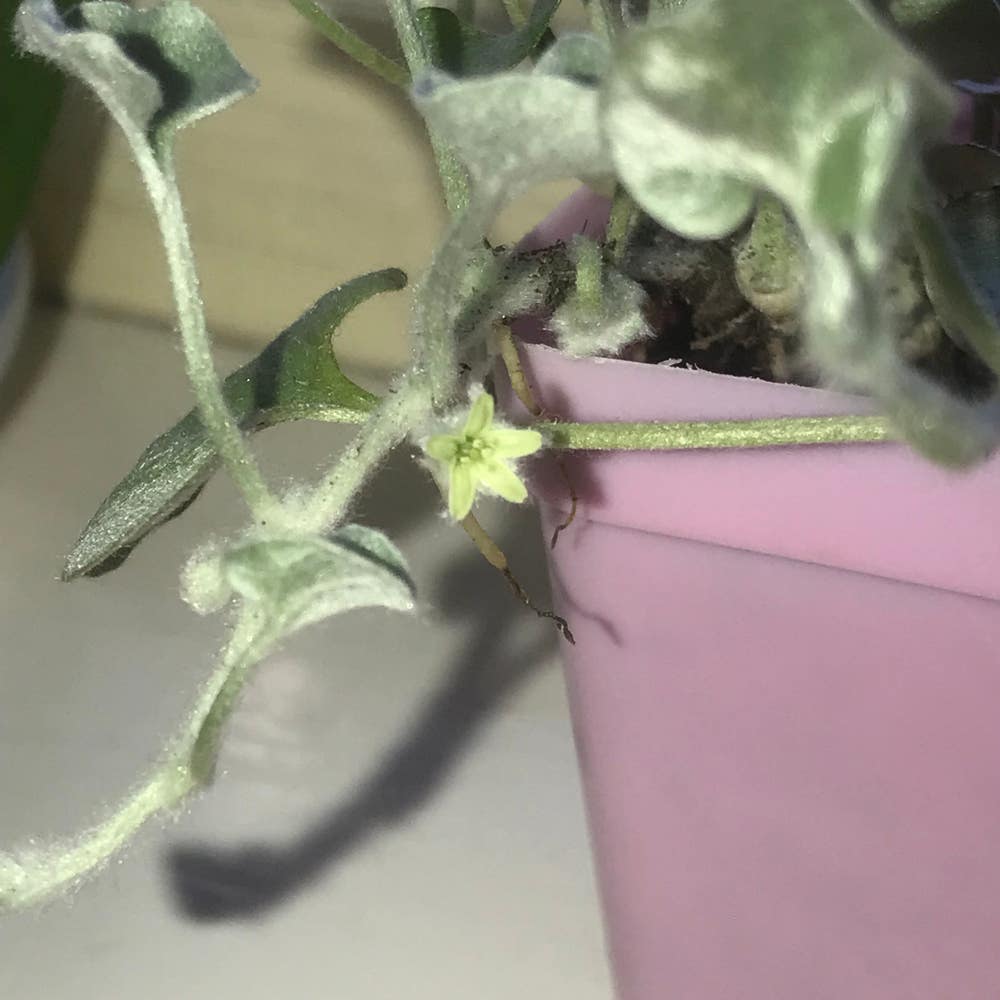
Light plays a crucial role in promoting flowering for your Silver Button Plant. While the flowers may be small and inconspicuous, adequate light can enhance their chances of blooming.
Bright indirect light is essential for increasing the likelihood of flowering. If you want those blooms, make sure your plant is well-lit!
💡 Using Grow Lights for Indoor Growth
Benefits of Grow Lights
Grow lights can be a game-changer, especially during winter months or in low-light environments. They provide the supplemental lighting your plant craves.
LED and fluorescent options are popular choices for optimal growth. Each type has its benefits, so choose what fits your needs best.
Implementation of Grow Lights
When using grow lights, position them 12-24 inches above your plant. This distance ensures your Silver Button Plant receives the right amount of light without being overwhelmed.
Aim for 12-16 hours of light exposure daily. Consistency is key to keeping your plant healthy and thriving.
⚠️ Common Light-Related Issues
Signs of Insufficient Light
If your plant shows leggy growth, smaller leaves, or a lack of flowering, it may not be getting enough light. These symptoms are clear indicators that it's time for a change.
To remedy this, move your plant to a brighter location or consider adding grow lights to boost its exposure.
Signs of Excessive Light
On the flip side, if you notice leaf burn, fading color, or crispy edges, your plant might be getting too much light. These signs can be distressing but are easily fixable.
Simply relocate your plant to a shadier spot or use sheer curtains to diffuse the harsh light. Your plant will thank you for it!
With the right light conditions, your Silver Button Plant can flourish beautifully. Next, let’s explore how to ensure it gets the nutrients it needs for optimal growth.
⚠️ Safety First
This content is for general information and may contain errors, omissions, or outdated details. It is not medical, veterinary advice, or an endorsement of therapeutic claims.
Always consult a qualified healthcare professional before using any plant as food, medicine, or supplement.
Never eat any plant (or feed one to pets) without confirming its identity with at least two trusted sources.
If you suspect poisoning, call Poison Control (800) 222-1222, the Pet Poison Helpline (800) 213-6680, or your local emergency service immediately.
Spotted an error? Please report it here.
Keep your Silver Button Plant thriving and blooming 🌱 by using Greg's tailored light monitoring tips to ensure it gets just the right amount of brightness!