5 Tips for Pollinating Silver Button Plant 🐝
Dichondra argentea
By the Greg Editorial Team
Oct 19, 2024•6 min read
This article was created with the help of AI so we can cover more plants for you. May contain errors. See one? Report it here.
- 🌼 Silver Button Plants attract pollinators with vibrant flowers and enticing scents.
- 🐝 Bees and butterflies are key pollinators, enhancing genetic diversity and ecosystem health.
- ✋ Hand pollination boosts success; know flower parts and time it right for best results.
Flower Structure
Description of Characteristics 🌼
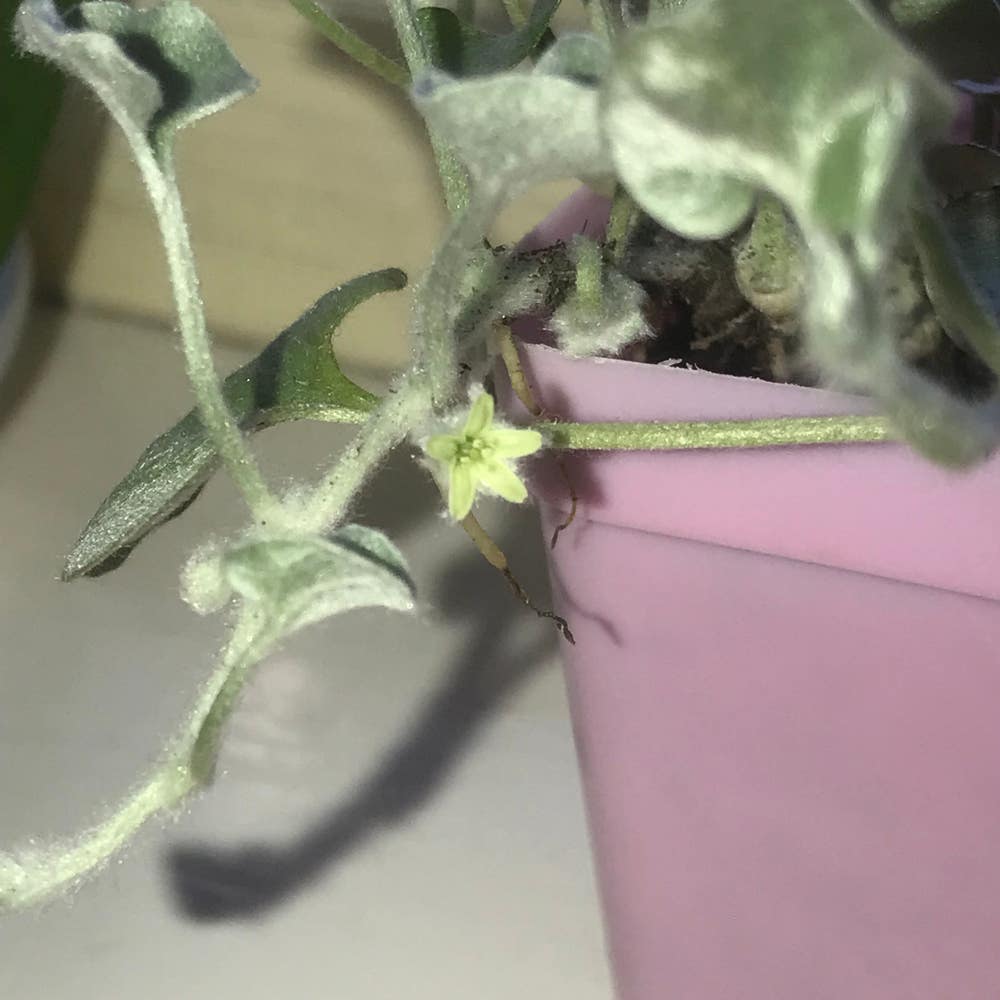
The flowers of the Silver Button Plant are truly unique. Their shape features rounded petals that create a visually striking appearance, making them stand out in any garden.
Color plays a crucial role in attracting pollinators. These flowers often showcase vibrant hues, which signal to bees and butterflies that nectar is nearby.
The arrangement of petals, sepals, stamens, and pistils is meticulously designed. This positioning not only enhances beauty but also facilitates effective pollination.
Role in Pollination 🐝
Self-pollination is a fascinating mechanism in the Silver Button Plant. It allows the plant to produce seeds even in the absence of pollinators, ensuring its survival and health.
On the other hand, cross-pollination introduces genetic diversity. The supportive structures of the flower aid in transferring pollen, promoting a robust ecosystem.
Understanding these characteristics and roles is essential for anyone looking to cultivate a thriving garden. Next, we’ll explore the pollination process in detail, including self-pollination and the vital role of various pollinators.
Pollination Process
Self-Pollination 🌼
Self-pollination is a fascinating mechanism where a flower's own pollen fertilizes its ovules. This process ensures that the plant can reproduce even in the absence of external pollinators.
The benefits of self-pollination are significant. It promotes plant health by guaranteeing seed production, especially in isolated environments where pollinators may be scarce.
Identification of Primary Pollinators 🐝
Bees are the primary pollinators for the Silver Button Plant. Their interaction with the flowers is crucial, as they transfer pollen while collecting nectar.
Butterflies also play a vital role in pollination. Their attraction to the flowers enhances the chances of successful fertilization.
Other species, like moths and hummingbirds, contribute to this process as well. Each of these pollinators brings unique advantages to the plant's reproductive success.
Attraction Mechanisms 🍯
Nectar production is a key factor in attracting pollinators. The sweet reward encourages them to visit the flowers repeatedly.
Flower scent is another powerful attraction mechanism. Fragrance can lure in pollinators from a distance, increasing the likelihood of pollination.
Visual cues, such as vibrant colors and unique shapes, also influence pollinator behavior. These features make the flowers stand out, drawing in curious visitors eager to explore.
Understanding these elements of the pollination process not only highlights the beauty of the Silver Button Plant but also sets the stage for exploring natural pollination methods.
Natural Pollination
🌬️ Pollen Transfer Mechanisms
Pollination begins with the transfer of pollen from the male parts of the flower, known as anthers, to the female parts, called stigmas. This process can occur through various natural mechanisms, primarily involving wind and water.
Wind plays a crucial role, especially for plants with lightweight pollen. As the breeze blows, it carries pollen grains from one flower to another, facilitating fertilization. Water can also aid in this transfer, particularly in aquatic environments where pollen may float and reach female flowers.
🌱 Importance for Reproduction and Diversity
Successful pollination is vital for the production of fruits and seeds, ensuring the continuation of plant species. Without it, many plants would struggle to reproduce, leading to population declines.
Moreover, pollination contributes to genetic diversity, which is essential for healthy ecosystems. Diverse genetic traits allow plants to adapt to changing environments, resist diseases, and thrive over time. This diversity not only benefits the plants but also supports the entire food web, including the pollinators themselves.
Understanding these mechanisms and their significance can inspire us to protect and support natural pollination processes. As we move forward, let’s explore effective hand pollination techniques to further enhance plant reproduction.
Hand Pollination Techniques
Hand pollination can be a rewarding way to ensure the success of your Silver Button Plant. Here’s how to do it effectively.
Step-by-Step Instructions 🌼
1. Identifying Male and Female Parts
To start, you need to distinguish between the male and female parts of the flower. The male parts, called stamens, produce pollen, while the female part, known as the pistil, is where fertilization occurs.
2. Collecting Pollen
Once you've identified the stamens, gently tap or brush them to collect the pollen. You can use a small brush or even your finger to gather the fine yellow grains.
3. Transferring Pollen
Next, transfer the collected pollen to the pistil of the same or another flower. Lightly brush the pollen onto the sticky stigma at the top of the pistil for effective fertilization.
Timing for Hand Pollination ⏰
Timing is crucial for successful hand pollination. The best times are early in the morning or late afternoon when flowers are fully open and receptive. Additionally, ensure that the weather is dry and calm, as wind and rain can hinder the process.
By following these steps, you can enhance the reproductive success of your Silver Button Plant and enjoy a bountiful garden. Next, let’s explore how to create a pollinator-friendly environment that supports these beautiful plants.
Supporting Pollinators
🌼 Creating a Pollinator-Friendly Environment
To support pollinators, start by promoting plant diversity in your garden. A variety of flowering plants ensures that different species of pollinators have food sources throughout the growing season.
Shelter and nesting sites are equally important. Providing areas like brush piles or undisturbed soil can help create a safe haven for bees and other beneficial insects.
🌱 Suggested Companion Plants
Consider adding these companion plants to attract beneficial pollinators:
- Lavender: Its fragrant flowers draw in bees and butterflies.
- Echinacea (Coneflower): A favorite among pollinators, it blooms for an extended period.
- Marigolds: These bright flowers not only attract pollinators but also deter pests.
Incorporating these plants enhances garden health by fostering a balanced ecosystem. A diverse plant community encourages pollination, leading to better fruit and seed production.
By creating a welcoming environment for pollinators, you contribute to their survival and the overall health of your garden. This effort not only supports biodiversity but also enriches your gardening experience.
Next, let’s explore the challenges pollinators face and how to overcome them.
Pollination Challenges
Common Obstacles 🐝
Pollination can be hindered by various environmental factors. Temperature fluctuations and high humidity levels can disrupt the delicate balance needed for effective pollination.
Another significant challenge is the lack of pollinators. Factors such as habitat loss and pesticide use contribute to reduced activity among essential species like bees and butterflies.
Solutions for Overcoming Challenges 🌼
To attract more pollinators, consider planting a diverse array of flowering plants. This variety not only provides food sources but also creates a more inviting environment for pollinators.
Managing conditions is equally important. Ensure your garden has adequate water and shelter to support pollinator populations, enhancing the chances of successful pollination.
By addressing these challenges, you can foster a thriving ecosystem that benefits both your plants and the pollinators that support them.
⚠️ Safety First
This content is for general information and may contain errors, omissions, or outdated details. It is not medical, veterinary advice, or an endorsement of therapeutic claims.
Always consult a qualified healthcare professional before using any plant as food, medicine, or supplement.
Never eat any plant (or feed one to pets) without confirming its identity with at least two trusted sources.
If you suspect poisoning, call Poison Control (800) 222-1222, the Pet Poison Helpline (800) 213-6680, or your local emergency service immediately.
Spotted an error? Please report it here.
Pollinate your Silver Button Plant like a pro 🌼 with Greg's tailored reminders and tips, ensuring a thriving garden that attracts pollinators and boosts biodiversity!