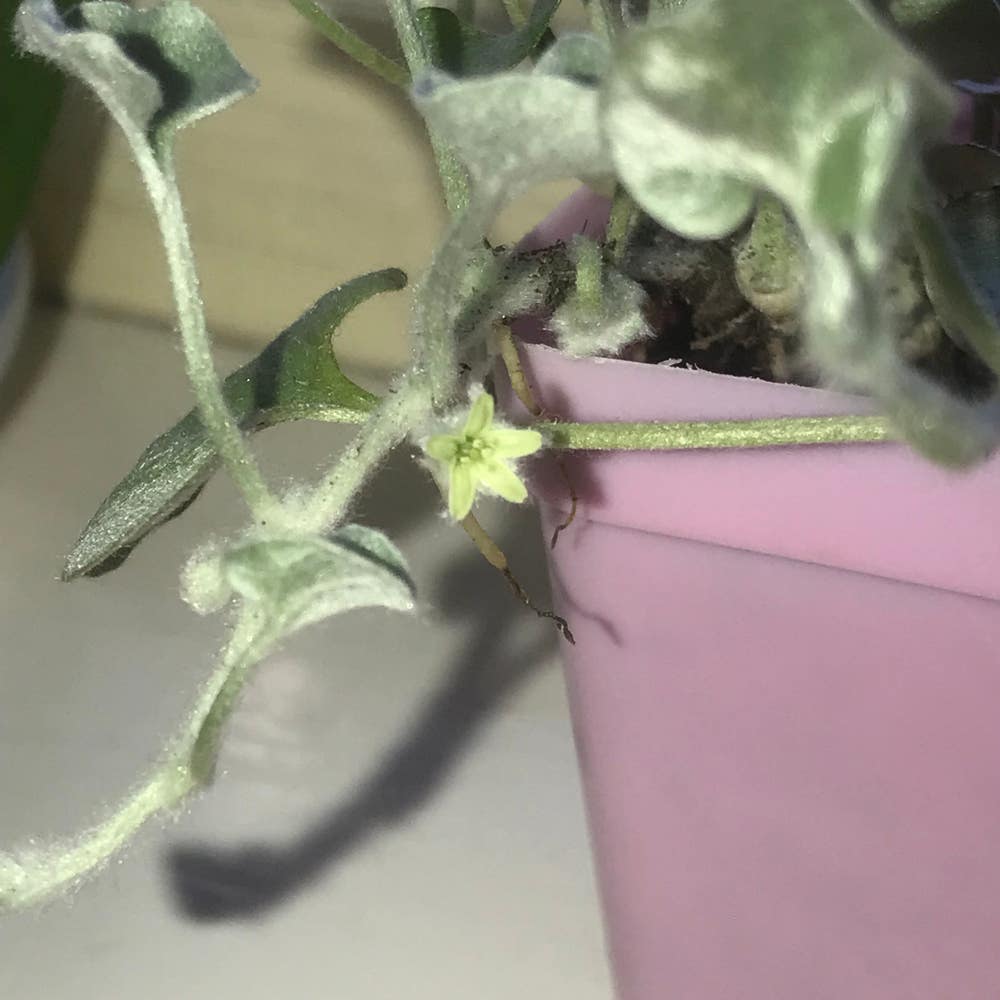
🌡 Good Temperature Range for Your Silver Button Plant
Dichondra argentea
By the Greg Editorial Team
Oct 19, 2024•3 min read
This article was created with the help of AI so we can cover more plants for you. May contain errors. See one? Report it here.
- 🌡️ Silver button plants thrive between 20°C to 30°C (68°F to 86°F) for optimal growth.
- ❄️🔥 Temperature fluctuations cause stress, leading to leaf drop, wilting, or curling.
- 🌿 Consistent care and monitoring ensure a healthy, flourishing silver button plant.
Temperature Needs
🌡️ Optimal Temperature Range for Growth
The silver button plant thrives in a cozy temperature range of 20°C to 30°C (68°F to 86°F). Maintaining consistent temperatures within this range is crucial for optimal growth; fluctuations can lead to stress and health issues.
Prolonged exposure to temperatures outside this ideal range can stunt growth, cause leaf drop, and even lead to plant death. Keeping your plant in its comfort zone is key to a flourishing life.
❄️ Signs of Temperature Stress
🔵 Visual Indicators of Cold Stress
Cold stress can manifest in several ways. Look out for leaf discoloration, where leaves may turn yellow or brown.
Another sign is leaf drop, where the plant sheds leaves prematurely. Wilting is also common, giving the plant a limp appearance despite adequate watering.
🔥 Visual Indicators of Heat Stress
Heat stress shows up differently. You might notice leaf curling, where the edges curl inward, or scorched leaves with brown, crispy edges.
Stunted growth is another indicator, characterized by reduced new leaf production and overall growth. If your plant looks like it's struggling, it might be feeling the heat.
🐢 Behavioral Changes in the Plant
Temperature stress can slow your plant's growth rate significantly. You may notice a noticeable reduction in how quickly it grows.
Additionally, altered leaf formation can occur, leading to changes in leaf shape or size. These changes signal that your plant is not happy with its current conditions.
⚠️ Causes of Temperature Stress
🌪️ Sudden Temperature Changes
Rapid temperature fluctuations can destabilize your silver button plant. Situations like moving plants indoors or outdoors can lead to sudden changes that stress the plant.
Being mindful of these transitions can help maintain stability and promote healthy growth.
🥶 Inadequate Protection from Cold
During cold snaps, providing shelter is essential. Using frost cloths can offer the protection your plant needs to survive chilly nights.
This simple measure can make a significant difference in keeping your plant healthy.
☀️ Excessive Heat Exposure
Direct sunlight during peak hours poses risks to your plant. Excessive heat can lead to severe stress and damage.
To mitigate this, consider using shade cloths to protect your plant from the harsh sun. This small adjustment can help maintain a comfortable environment.
🌱 Seasonal Temperature Variations
🌼 Temperature Needs During Different Growth Stages
Young silver button plants prefer warmer temperatures for establishment. They need that extra warmth to get rooted and grow strong.
Mature plants, on the other hand, are slightly more tolerant to temperature fluctuations. They can handle a bit more variability as they’ve established their roots.
🍂 Seasonal Care Tips for Temperature Management
In spring, gradually acclimatize your plants to outdoor temperatures. This helps them adjust without shock.
During summer, keep an eye out for heat stress and provide shade when necessary. As fall approaches, prepare for cooler temperatures with protective measures to ensure your plant remains healthy.
💧 Brief Mention of Humidity
Humidity levels can significantly affect how your silver button plant responds to temperature. High humidity can help mitigate some stress, while low humidity may exacerbate temperature issues.
Understanding this relationship can enhance your plant care strategy, ensuring a thriving environment.
With these insights, you’re well-equipped to keep your silver button plant happy and healthy!
⚠️ Safety First
This content is for general information and may contain errors, omissions, or outdated details. It is not medical, veterinary advice, or an endorsement of therapeutic claims.
Always consult a qualified healthcare professional before using any plant as food, medicine, or supplement.
Never eat any plant (or feed one to pets) without confirming its identity with at least two trusted sources.
If you suspect poisoning, call Poison Control (800) 222-1222, the Pet Poison Helpline (800) 213-6680, or your local emergency service immediately.
Spotted an error? Please report it here.
Keep your silver button plant thriving 🌱 by using Greg for personalized reminders and tips to maintain its ideal temperature range of 20°C to 30°C (68°F to 86°F)!