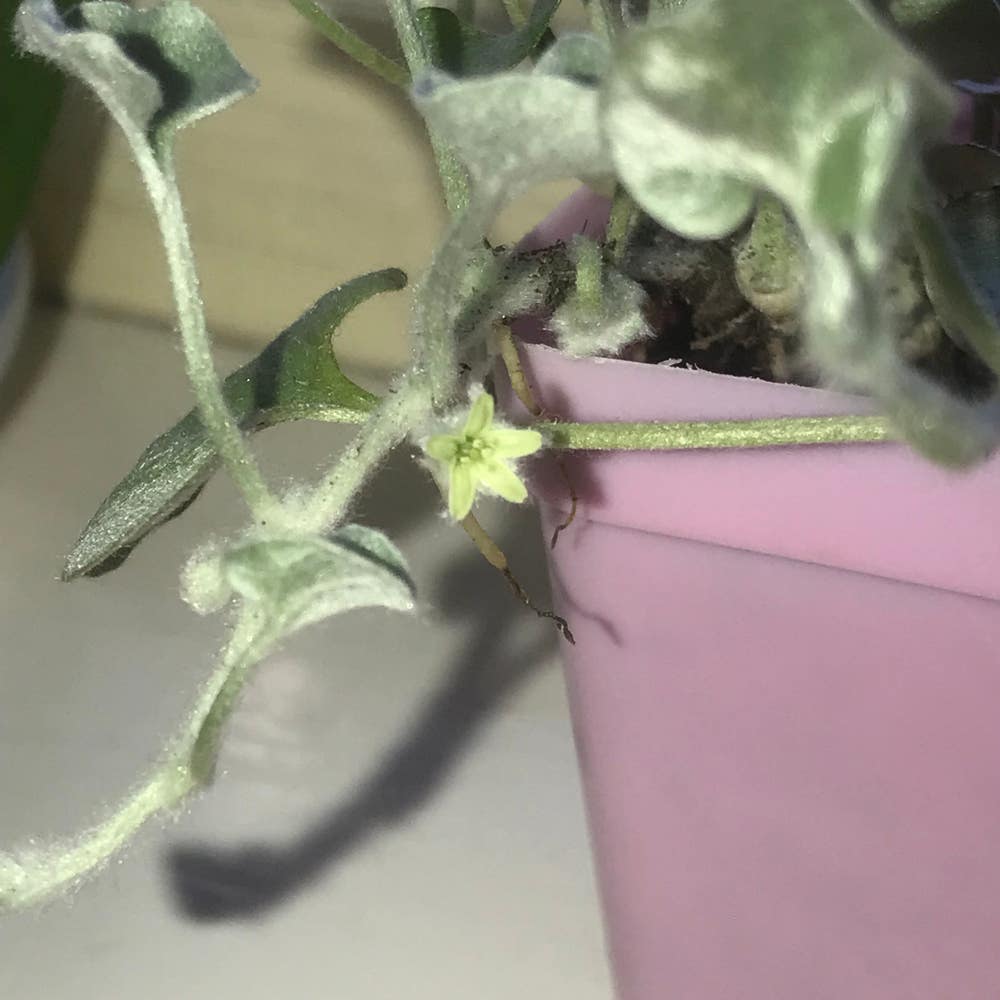
🍃 What to Do About Curling Leaves on Your Silver Button Plant
Dichondra argentea
By the Greg Editorial Team
Oct 19, 2024•5 min read
This article was created with the help of AI so we can cover more plants for you. May contain errors. See one? Report it here.
- 🌱 Curling leaves indicate stress from pests, light, or watering issues—diagnose early!
- 🌡️ Ideal temperature for Silver Button Plants is 65°F to 80°F (18°C to 27°C).
- 💧 Humidity above 50% is crucial; maintain it to prevent leaf curling.
Causes of Curling Leaves
🌡️ Environmental Stress Factors
Curling leaves on your Silver Button Plant can often be traced back to environmental stress. Temperature fluctuations are a primary culprit; the ideal range for these plants is between 65°F to 80°F (18°C to 27°C).
Humidity levels also play a significant role; your plant thrives in humidity above 50%. Lower humidity can lead to stress, causing those telltale curls.
Light exposure is another critical factor. Too much direct sunlight can scorch the leaves, while insufficient light can weaken them, leading to curling.
🐛 Pest Infestations
Common Pests
Pest infestations can wreak havoc on your plant's health. Aphids, those small green insects, suck sap from the leaves, weakening the plant over time.
Spider mites are another concern; these tiny, web-spinning pests thrive in dry conditions and can quickly multiply if not addressed.
Signs of Infestation
Identifying a pest problem early can save your plant. Look for sticky residue on leaves, known as honeydew, which is a telltale sign of aphids.
Fine webbing and stippled leaves are indicators of spider mites. If you notice these signs, it's time to take action.
🍄 Fungal Infections
Common Fungal Issues
Fungal infections can also cause curling leaves. Powdery mildew is a common issue, presenting as white, powdery spots on leaves.
This fungal growth can lead to more severe problems if left untreated.
Symptoms
Symptoms of fungal infections include leaf curling, discoloration, and stunted growth. If you notice these signs, it's crucial to address the issue promptly.
🥦 Nutrient Deficiencies
Key Nutrients
Nutrient deficiencies can lead to curling leaves as well. Nitrogen is essential for leaf growth; a deficiency can result in yellowing and curling.
Potassium is another key nutrient; its deficiency can cause the edges of leaves to curl, impacting overall plant health.
Symptoms
General leaf yellowing, curling, and poor growth are common symptoms of nutrient deficiencies. Regularly checking your plant's nutrient levels can help prevent these issues.
💧 Watering Issues
Overwatering
Watering practices are vital for plant health. Overwatering can lead to yellowing leaves, root rot, and curling.
Signs of overwatering include soggy soil and a plant that feels heavy.
Underwatering
On the flip side, underwatering can also cause curling. Symptoms include wilting, dry leaves, and curling.
If the soil is dry several inches down and the leaves feel crispy, it's time to give your plant a drink.
Understanding these causes can help you take proactive steps to keep your Silver Button Plant healthy and thriving. Next, we’ll explore how to diagnose curling leaves effectively.
Diagnosing Curling Leaves
🌿 Identifying Symptoms of Leaf Curl
Diagnosing curling leaves starts with a visual inspection. Look for signs like curling, discoloration, and any changes in leaf texture.
Types of Curl
- Upward Curl: This often indicates underwatering or pest issues.
- Downward Curl: This may suggest overwatering or nutrient deficiencies.
🌍 Assessing Environmental Conditions
Next, evaluate the environmental conditions surrounding your Silver Button Plant.
Light
Check if your plant is receiving adequate indirect sunlight. Too much direct light can be harmful, while too little can weaken it.
Humidity
Use a hygrometer to measure humidity levels. Your plant thrives in humidity above 50%, so keep an eye on this.
Temperature
Ensure the plant is kept within the ideal temperature range of 65°F to 80°F (18°C to 27°C). Fluctuations can stress the plant and lead to curling leaves.
By carefully assessing these symptoms and conditions, you can pinpoint the cause of your plant's distress. This understanding sets the stage for effective treatment options, ensuring your Silver Button Plant can thrive once again.
Treatment Options
🐛 Pest Control Methods
Pest infestations can wreak havoc on your Silver Button Plant. Start with insecticidal soap, which is effective against common culprits like aphids and spider mites.
Another great option is neem oil. This natural pesticide disrupts pest life cycles, making it a solid choice for keeping your plant healthy.
🍄 Fungal Treatment Options
Fungal issues, such as powdery mildew, can also cause curling leaves. Use fungicides according to the label instructions for effective treatment.
For a more natural approach, consider a baking soda solution. Mix 1 teaspoon in 1 quart of water and spray it as a preventive measure.
💧 Adjusting Watering Practices
Watering issues are often at the root of leaf curling. Start by checking soil moisture; a moisture meter or a simple finger test (2 inches deep) can help you gauge the situation.
Establish a watering schedule that allows you to water when the top inch of soil feels dry. Always ensure proper drainage to prevent root rot.
🌱 Fertilization Tips for Nutrient Deficiencies
Nutrient deficiencies can lead to curling leaves as well. Use a balanced fertilizer, like NPK 10-10-10, during the growing season to provide essential nutrients.
Follow the package instructions for application, typically every 4-6 weeks, to keep your plant thriving.
Transitioning from treatment to prevention is key. Let's explore how to maintain a healthy environment for your Silver Button Plant.
Preventive Measures
Best Practices for Care 🌱
Regular inspections are your first line of defense against pests and diseases. Make it a habit to check your Silver Button Plant weekly for any signs of trouble.
Consistent watering and humidity levels are crucial for plant health. Aim to keep the soil evenly moist and maintain humidity above 50% to prevent stress.
Ideal Environmental Conditions ☀️
Your plant thrives in bright, indirect sunlight. Position it near a window where it can soak up light without being scorched.
Humidity plays a vital role in your plant's well-being. If your home is dry, consider using a humidifier or placing a pebble tray filled with water nearby to boost moisture levels.
Soil and Potting Recommendations 🪴
Opt for a well-draining potting mix to ensure your plant's roots stay healthy. Adding perlite can enhance aeration, promoting better growth.
Repot your Silver Button Plant every 1-2 years to refresh the soil. This practice helps prevent root-bound conditions, allowing your plant to flourish.
By following these preventive measures, you can create a nurturing environment for your Silver Button Plant, minimizing the risk of curling leaves and other issues. Next, let’s explore effective treatment options if problems do arise.
⚠️ Safety First
This content is for general information and may contain errors, omissions, or outdated details. It is not medical, veterinary advice, or an endorsement of therapeutic claims.
Always consult a qualified healthcare professional before using any plant as food, medicine, or supplement.
Never eat any plant (or feed one to pets) without confirming its identity with at least two trusted sources.
If you suspect poisoning, call Poison Control (800) 222-1222, the Pet Poison Helpline (800) 213-6680, or your local emergency service immediately.
Spotted an error? Please report it here.
Transform curling leaves into vibrant growth 🌿 by letting Greg provide tailored care tips and reminders to keep your Silver Button Plant thriving!