Why Silver Falls Is Not an Annual
Dichondra argentea
By the Greg Editorial Team
Nov 07, 2024•7 min read
This article was created with the help of AI so we can cover more plants for you. May contain errors. See one? Report it here.
- 🌱 Silver Falls is a perennial, thriving for over a decade with unique growth habits.
- 🌿 Requires different care than annuals, focusing on proper watering and fertilization.
- 🌼 Enhances garden aesthetics year-round, providing lush foliage and reducing maintenance costs.
Genetic and Physiological Characteristics
Long-term Lifecycle 🌱
Silver Falls exhibits a fascinating perennial lifecycle characterized by distinct dormancy periods and regrowth phases. During winter, the plant enters dormancy, conserving energy and resources, only to burst back to life in spring, showcasing its resilience and adaptability.
The lifespan expectations for Silver Falls can span several years, often exceeding a decade under optimal conditions. This longevity is supported by genetic factors that enable the plant to thrive across various seasons, ensuring its survival even in challenging environments.
Growth Patterns 🌿
One of the most striking features of Silver Falls is its unique growth habit. It tends to cascade and spread, creating a lush, flowing appearance that adds depth to any garden.
In terms of growth rate, Silver Falls is generally slower compared to annuals. However, this slower pace allows it to establish a robust root system, making it more resilient to environmental stresses.
Environmental Adaptability 🌍
Silver Falls demonstrates impressive environmental adaptability. It can tolerate drought conditions and thrive in varying soil types, making it a versatile choice for gardeners.
This adaptability not only enhances its survival but also allows it to flourish in diverse landscapes, from rocky outcrops to more fertile garden beds.
Reproductive Strategies 🌼
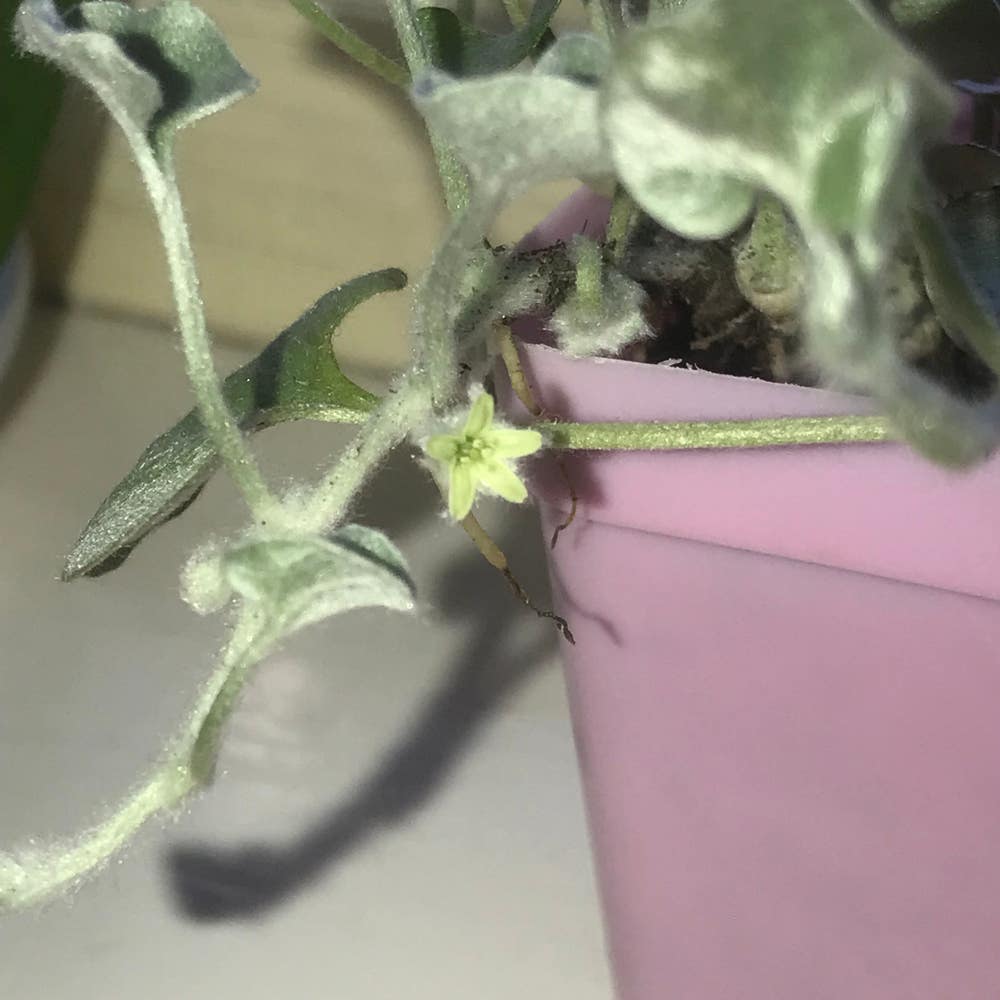
When it comes to seed production, Silver Falls has specific conditions under which it produces seeds. Typically, it flowers in favorable weather, ensuring that seeds are viable and ready for dispersal.
In comparison to annuals, which often focus on maximizing seed output in a single season, Silver Falls takes a more measured approach. This strategy allows it to maintain a steady presence in the garden year after year.
Vegetative Propagation Methods 🌱
Silver Falls also spreads through vegetative propagation, utilizing runners and cuttings to establish new plants. This method not only enhances its spread but also ensures that the new plants retain the genetic traits of the parent.
The benefits of vegetative propagation in perennials like Silver Falls are significant. It allows for quicker establishment and a more reliable growth pattern, making it an excellent choice for gardeners looking to create a cohesive landscape.
As we delve deeper into the lifecycle implications of Silver Falls, we will explore its growth and flowering cycles, revealing how these patterns contribute to its perennial nature.
Lifecycle Implications
🌱 Growth and Flowering Cycles
Silver Falls exhibits a fascinating seasonal growth pattern. In spring, it emerges from dormancy, showcasing vibrant foliage that continues to flourish throughout the summer.
The flowering periods of Silver Falls are particularly significant. They not only enhance the plant's aesthetic appeal but also attract pollinators, contributing to the overall health of the garden.
🌼 Comparison of Flowering Cycles with Annuals
When comparing flowering cycles, Silver Falls stands out against annuals. Its blooms last longer, providing a more extended display of color and texture throughout the growing season.
Annuals, on the other hand, typically focus their energy on a single, explosive bloom cycle. This difference highlights the perennial's ability to sustain beauty over time rather than in short bursts.
🌿 Seed Production vs. Annuals
Silver Falls has a unique approach to seed production. It produces a moderate quantity of seeds, which are viable and capable of germination under the right conditions.
In contrast, annual plants often prioritize maximizing seed output in one season. This strategy allows them to ensure their survival, but it also means they expend all their energy in a single reproductive effort.
⚖️ Differences in Reproductive Output Compared to Annual Plants
The reproductive output of Silver Falls is more measured. While it may not produce as many seeds as annuals, the seeds it does produce are well-adapted to the environment.
This difference illustrates a key advantage of perennials: they invest in quality over quantity. Silver Falls focuses on establishing a robust presence in the garden, ensuring its survival and continued growth year after year.
As we explore the variations and exceptions in the lifecycle of Silver Falls, it’s essential to understand how environmental factors can influence its growth behavior.
Variations and Exceptions
🌦️ Conditions Leading to Misclassification
Misclassifying Silver Falls often stems from environmental factors. Extreme weather conditions, such as unexpected frosts or prolonged droughts, can hinder its growth and lead to misconceptions about its perennial nature.
Poor soil conditions can also limit the plant's ability to thrive. When the soil lacks essential nutrients or proper drainage, Silver Falls may not exhibit its typical characteristics, causing gardeners to mistakenly view it as an annual.
🤔 Common Misconceptions Among Gardeners
Many gardeners believe that Silver Falls is an annual due to its seasonal appearance. This misunderstanding can lead to frustration when the plant doesn’t perform as expected, especially in less-than-ideal growing conditions.
Another common misconception is that Silver Falls requires the same care as annuals. In reality, its perennial nature means it has different needs, particularly regarding watering and fertilization.
🌍 Regional Differences
Climate plays a significant role in the growth behavior of Silver Falls. In warmer climates, the plant may flourish year-round, leading some to perceive it as an annual due to its rapid growth and flowering.
Conversely, in cooler regions, Silver Falls may enter dormancy for extended periods. This seasonal behavior can confuse gardeners who expect consistent growth throughout the year.
🌱 Variations in Care and Growth Patterns Across Different Regions
Care practices for Silver Falls can vary widely depending on the region. In areas with harsher winters, gardeners may need to provide additional protection to ensure the plant survives.
In contrast, those in milder climates might find that Silver Falls requires less maintenance. Understanding these regional differences is crucial for maximizing the plant's potential and ensuring its longevity in your garden.
As we explore the implications of Silver Falls' lifecycle, we’ll uncover how its unique characteristics influence garden design and planting strategies.
Garden Design and Planting Strategies
🌟 Advantages of Using Silver Falls
Silver Falls offers remarkable long-term aesthetic benefits in garden design. Its year-round foliage provides a lush texture that enhances any landscape, making it a standout choice for gardeners.
Cost-effectiveness is another significant advantage of using Silver Falls. Unlike annuals, which require replanting each season, this perennial reduces maintenance efforts and costs over time, allowing you to enjoy a vibrant garden with less hassle.
🌱 Tips for Incorporating into Garden Design
When incorporating Silver Falls into your garden, consider ideal planting locations. It thrives in well-drained soil and can be paired with companion plants like succulents or other perennials that share similar care requirements.
Spacing is crucial for optimal growth. Aim for a distance of 12 to 18 inches between plants to allow for their cascading habit while preventing overcrowding.
Seasonal considerations can maximize visual impact. Integrating Silver Falls with other perennials that bloom at different times ensures a dynamic display throughout the year, keeping your garden lively and engaging.
In summary, Silver Falls not only enhances garden aesthetics but also simplifies maintenance. By following these tips, you can create a stunning landscape that thrives season after season.
Management and Longevity
🌱 Best Practices for Managing as a Perennial
To keep Silver Falls thriving, focus on effective watering and fertilization strategies. Water regularly, especially during dry spells, ensuring the soil remains moist but not waterlogged.
Fertilization should be done with a balanced, slow-release fertilizer in early spring. This provides essential nutrients that promote healthy growth throughout the growing season.
✂️ Pruning and Maintenance Tips
Pruning is crucial for encouraging healthy growth and preventing overcrowding. Trim back any dead or damaged stems in early spring to make way for new growth.
Regular maintenance also includes removing spent flowers to encourage further blooming. This simple act can significantly enhance the plant's overall appearance.
⏳ Tips for Maximizing Longevity
Seasonal Care Routines
Preparing for dormancy is essential for the longevity of Silver Falls. As temperatures drop, reduce watering and allow the plant to naturally enter its dormant phase.
In spring, awaken your Silver Falls by gently clearing away debris and resuming regular watering. This helps stimulate new growth and sets the stage for a vibrant season.
🐛 Pest and Disease Management
Be vigilant about common pests like aphids and spider mites. Regularly inspect your plants and use organic solutions, such as insecticidal soap, to manage infestations effectively.
Additionally, watch for signs of fungal diseases, particularly in humid conditions. Maintaining good air circulation and avoiding overhead watering can help prevent these issues.
By following these management practices, you can ensure that your Silver Falls remains a stunning and resilient addition to your garden for years to come. Transitioning from care to design, let’s explore how to incorporate this perennial beauty into your garden layout.
⚠️ Safety First
This content is for general information and may contain errors, omissions, or outdated details. It is not medical, veterinary advice, or an endorsement of therapeutic claims.
Always consult a qualified healthcare professional before using any plant as food, medicine, or supplement.
Never eat any plant (or feed one to pets) without confirming its identity with at least two trusted sources.
If you suspect poisoning, call Poison Control (800) 222-1222, the Pet Poison Helpline (800) 213-6680, or your local emergency service immediately.
Spotted an error? Please report it here.
Unlock the long-lasting beauty of Silver Falls 🌱 with Greg's tailored care reminders that ensure your garden thrives for years to come!