3 Factors Influencing Silver Falls Growth
Dichondra argentea
By the Greg Editorial Team
Nov 07, 2024•5 min read
This article was created with the help of AI so we can cover more plants for you. May contain errors. See one? Report it here.
- 🌱 Silver Falls grows through five stages, from germination to seed production.
- ☀️💧 Optimal conditions include consistent moisture and light for healthy growth.
- 🌼 Flowering attracts pollinators, crucial for seed production and plant health.
Growth Stages
🌱 Germination Stage
Germination is the first crucial step in the life cycle of Silver Falls. Under optimal conditions, expect a germination period of 7-14 days, with temperatures ideally ranging from 70°F to 75°F (21°C to 24°C).
Maintaining soil moisture is key; it should be consistently moist but not waterlogged. The success of germination also hinges on soil type and light exposure. Use well-draining, fertile soil and provide indirect sunlight to prevent overheating.
🌿 Seedling Stage
Once germination is successful, the seedlings emerge with small, rounded leaves that showcase a silver hue. During this stage, the plants focus on establishing a strong root system for stability.
This stage lasts approximately 4-6 weeks. To ensure healthy growth, maintain consistent moisture and provide partial shade to protect young plants from intense sunlight.
🌳 Vegetative Growth Stage
As the seedlings mature, they enter the vegetative growth stage, characterized by rapid foliage expansion. Leaves grow larger and denser, forming a lush mat that is perfect for ground cover.
This stage can last between 6-12 months, depending on environmental conditions. Silver Falls thrives in full sun to partial shade, requiring well-drained soil and minimal water once established.
🌼 Flowering Stage
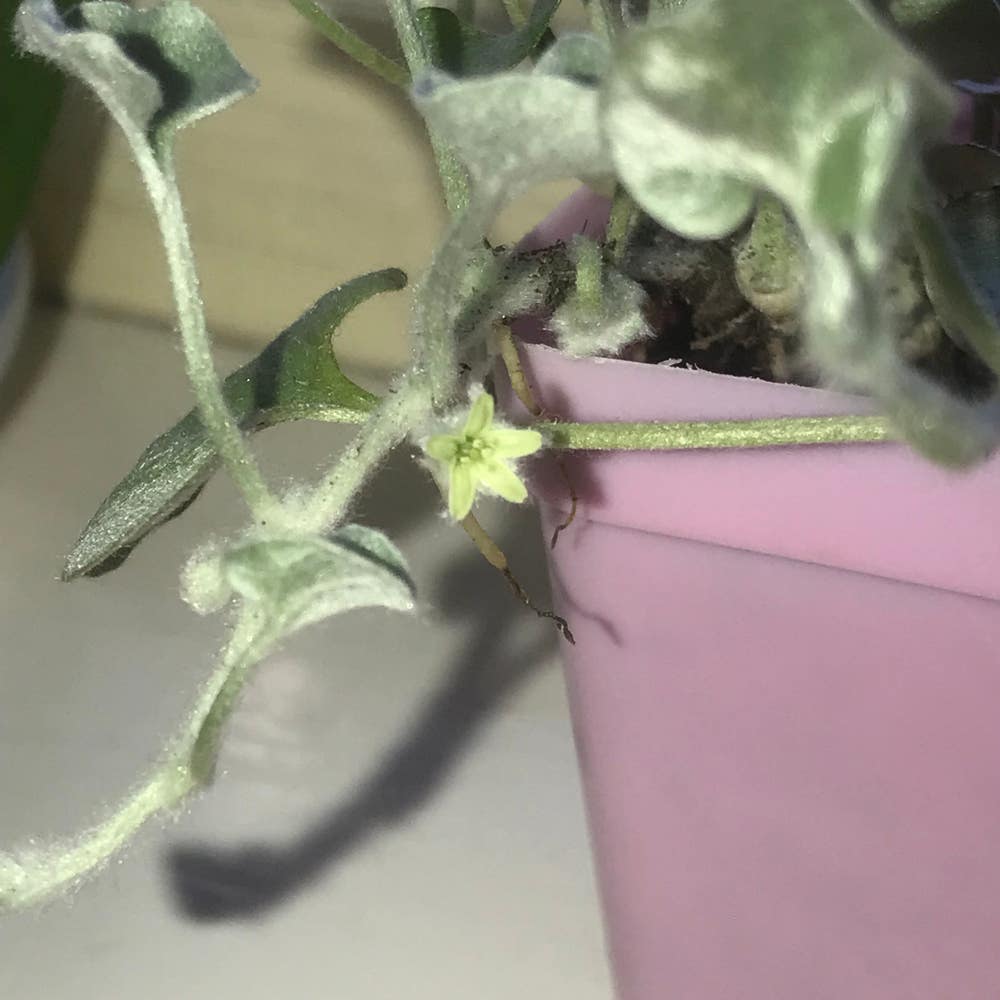
The flowering stage typically occurs in late spring to early summer, lasting about 2-4 weeks. During this time, the plant produces small, inconspicuous greenish-yellow flowers.
These flowers play a vital role in attracting pollinators, contributing to the plant's reproductive cycle. Their subtle beauty is often overlooked but is essential for the plant's lifecycle.
🌱 Seed Production Stage
After flowering, Silver Falls develops seed pods containing small seeds. These seeds can be dispersed naturally or collected for propagation.
The seed maturation process takes about 4-6 weeks post-flowering. Warm temperatures and adequate moisture are crucial to support seed development, ensuring the continuation of this beautiful plant's life cycle.
With a solid understanding of these growth stages, you're well-equipped to nurture Silver Falls from germination to seed production. Next, we’ll explore the maturation time of this resilient plant.
Maturation Time
How long until fully grown? 🌱
Silver Falls typically reaches full growth within 1-2 years when provided with optimal conditions. This timeframe allows the plant to establish itself and thrive in its environment.
Factors affecting maturation time ⏳
Several factors can influence how quickly Silver Falls matures.
- Environmental conditions: Temperature, light exposure, and soil quality play crucial roles in growth speed.
- Care practices: Regular watering and appropriate fertilization can significantly enhance maturation rates.
By understanding these elements, you can better support your Silver Falls as it grows, ensuring a vibrant and healthy plant.
As you nurture your Silver Falls, keep in mind that the right conditions and care can lead to a flourishing display in your garden. Next, let’s explore the growth rate of this remarkable plant and how it can adapt to its surroundings.
Growth Rate
How fast does it grow? 🌱
Silver Falls exhibits a growth rate that can be classified as moderate to fast. This variability largely hinges on the environmental conditions in which the plant is cultivated.
Environmental influences on growth rate 🌍
Soil quality plays a crucial role in determining how quickly Silver Falls can thrive. Nutrient-rich, well-draining soils are ideal, as they promote faster growth and overall plant health.
Water availability is another significant factor. Ensuring adequate moisture not only supports vigorous growth but also helps the plant establish a robust root system.
Summary 📊
In summary, the growth rate of Silver Falls is influenced by both soil quality and water availability. By optimizing these conditions, you can encourage a lush and vibrant display of this beautiful plant.
Next, we will explore the notable changes that occur throughout the life cycle of Silver Falls.
Notable Changes Throughout Life Cycle
Changes in Appearance and Structure 🌱
As Silver Falls progresses through its life cycle, it undergoes remarkable transformations. Initially, the plant emerges as small seedlings, characterized by their delicate, rounded leaves.
Over time, these seedlings develop into lush, cascading foliage that creates a stunning visual display. The transition is not just about size; the texture and density of the leaves contribute to a vibrant ground cover that enhances any garden space.
Development of Flowers and Seed Pods 🌼
As the plant matures, it begins to produce flowers and seed pods. These small, inconspicuous greenish-yellow flowers are essential for attracting pollinators, which play a crucial role in the reproductive cycle of the plant.
Following the flowering stage, the plant develops seed pods filled with tiny seeds. This natural process not only ensures the continuation of the species but also offers opportunities for propagation.
Adaptations During Different Growth Stages 🌿
Silver Falls exhibits impressive adaptations that enhance its survival. One key adaptation is its drought tolerance; once established, the plant can thrive with minimal water, making it an excellent choice for low-maintenance gardens.
Additionally, its spreading habit allows it to form a dense mat that effectively suppresses weeds. This adaptability enables Silver Falls to flourish in various planting conditions, making it a versatile option for gardeners.
In summary, the life cycle of Silver Falls is marked by significant changes in appearance and structure, alongside remarkable adaptations that ensure its resilience. These features not only enhance its aesthetic appeal but also contribute to its practicality in diverse environments.
Next, we will explore the overall lifespan of Silver Falls and the factors that influence its longevity.
Overall Lifespan
Average lifespan and longevity 🌱
Silver Falls typically enjoys an average lifespan of 3 to 5 years when grown under optimal conditions. The health of the plant, the surrounding environmental factors, and consistent care practices all play crucial roles in determining how long it thrives.
Factors that can influence lifespan ⚖️
Soil health is paramount; nutrient availability and proper drainage can significantly affect growth and longevity. Additionally, effective pest and disease management through regular monitoring ensures that the plant remains healthy and resilient against potential threats.
By understanding these factors, you can help your Silver Falls reach its full potential and enjoy its beauty for years to come. Next, let’s explore the notable changes that occur throughout its life cycle, highlighting the plant's remarkable adaptability.
⚠️ Safety First
This content is for general information and may contain errors, omissions, or outdated details. It is not medical, veterinary advice, or an endorsement of therapeutic claims.
Always consult a qualified healthcare professional before using any plant as food, medicine, or supplement.
Never eat any plant (or feed one to pets) without confirming its identity with at least two trusted sources.
If you suspect poisoning, call Poison Control (800) 222-1222, the Pet Poison Helpline (800) 213-6680, or your local emergency service immediately.
Spotted an error? Please report it here.
Unlock the full potential of your Silver Falls with Greg's tailored care tips and reminders, ensuring your garden flourishes with vibrant growth and stunning beauty! 🌿