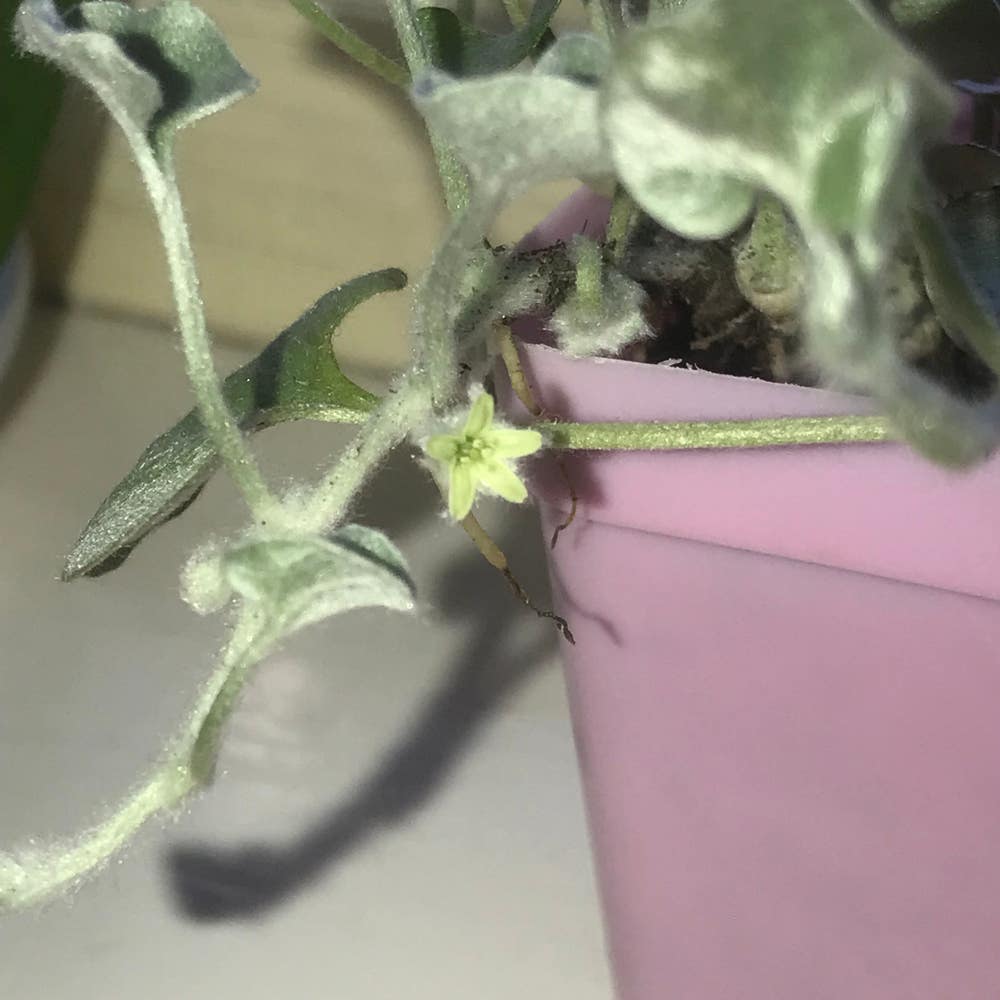
10 Ideal Locations to Plant Silver Falls ⛏️
Dichondra argentea
By the Greg Editorial Team
Nov 07, 2024•4 min read
This article was created with the help of AI so we can cover more plants for you. May contain errors. See one? Report it here.
- ☀️ Silver Falls needs 6-8 hours of sunlight for optimal growth; adjust for hot climates.
- 🌱 Well-draining soil is crucial; avoid heavy clay to prevent root rot.
- 🌼 Companion planting enhances growth; maintain 12-18 inches spacing for healthy development.
Sunlight Exposure
Full Sun vs. Partial Shade 🌞
Silver Falls truly flourishes in full sun, requiring 6-8 hours of direct sunlight each day. However, it can also adapt to partial shade, which is particularly beneficial in hotter climates where intense afternoon sun can be overwhelming.
In full sun, you’ll see vibrant foliage and robust growth. On the other hand, partial shade offers a reprieve from harsh sunlight, allowing your Silver Falls to thrive without stress.
Effects of Too Much Shade 🌑
While Silver Falls can handle some shade, too much can lead to significant issues. Excessive shade often results in stunted growth and a leggy appearance, making your plant look less than its best.
Additionally, plants in low-light conditions become more vulnerable to pests and diseases. Watch for signs of inadequate sunlight, such as yellowing leaves and reduced foliage density, which indicate your Silver Falls may not be getting the light it needs to thrive.
By understanding the sunlight requirements of Silver Falls, you can ensure it reaches its full potential, setting the stage for a stunning display in your garden. Next, we’ll explore the importance of soil type and conditions for optimal growth.
Soil Type and Conditions
🌱 Well-Draining Soil Requirements
Silver Falls thrives best in well-draining soil, which is crucial for preventing root rot. The ideal soil types include sandy loam or loamy soil that offers good aeration.
- Avoid Heavy Clay Soils: These retain water, creating a soggy environment that can harm your plant.
⚖️ Soil pH Preferences
For optimal growth, Silver Falls prefers a soil pH range of 6.0 to 7.0. Testing your soil's pH is essential to ensure it meets these conditions.
- How to Test Soil pH: Use a soil pH meter or a test kit for accurate readings.
- Amending Soil: If your soil is too acidic, add lime to raise the pH. Conversely, use sulfur to lower it if the pH is too high.
By ensuring the right soil type and pH, you set the stage for your Silver Falls to flourish. Next, let’s explore how the proximity to other plants can impact its growth.
Proximity to Other Plants
🌱 Companion Planting Considerations
When planting Silver Falls, consider its ideal companions. Low-growing perennials and annuals work best, as they won’t compete for light.
These plants should share similar water and light needs. This compatibility promotes healthy growth and creates a harmonious garden environment.
🚫 Avoiding Overcrowding
To ensure Silver Falls thrives, maintain proper spacing. Aim for at least 12-18 inches between it and neighboring plants.
This spacing is crucial for several reasons. It prevents competition for nutrients and light while reducing the risk of fungal diseases due to improved air circulation.
By carefully selecting companions and spacing them appropriately, you can create a vibrant and healthy garden. This attention to detail will help your Silver Falls flourish and enhance the overall beauty of your landscape.
Next, let’s explore how to assess the best spot for planting Silver Falls, focusing on sunlight patterns and seasonal changes.
Assessing the Best Spot
Evaluating Sunlight Patterns 🌞
Understanding sunlight patterns is crucial for planting Silver Falls effectively. Morning sun exposure is particularly beneficial, as it promotes early growth and helps reduce the risk of diseases.
In contrast, afternoon sun can be quite intense, especially in hotter climates. If you live in a region with scorching afternoons, consider providing partial shade to protect your plants from potential stress.
Seasonal Changes in Light 🍂
Observing light patterns throughout the year can significantly impact your planting success. Identify areas in your garden that receive consistent sunlight during different seasons to ensure your Silver Falls thrive.
As seasons change, be prepared to adjust your planting locations based on shifts in sunlight availability. This proactive approach will help you maintain optimal growing conditions for your plants year-round.
Specific Location Needs
🌳 Shade Tolerance
Silver Falls is quite adaptable and can flourish in dappled sunlight or light shade. The best spots for planting are beneath taller plants that filter sunlight, creating a cozy environment for growth.
🚨 Signs of Stress in Low-Light Conditions
When Silver Falls doesn't get enough light, it shows clear signs of stress. Look for leaf drop and a noticeable reduction in growth rate, along with faded or washed-out foliage color.
☀️ Sun Requirements
For optimal growth, aim for at least 4-6 hours of direct sunlight each day. If your Silver Falls is in a shaded area, be diligent about monitoring moisture levels to avoid overwatering.
Understanding these specific location needs will help you create the perfect environment for your Silver Falls. Next, let’s explore how to assess the best spot for planting, considering sunlight patterns and seasonal changes.
⚠️ Safety First
This content is for general information and may contain errors, omissions, or outdated details. It is not medical, veterinary advice, or an endorsement of therapeutic claims.
Always consult a qualified healthcare professional before using any plant as food, medicine, or supplement.
Never eat any plant (or feed one to pets) without confirming its identity with at least two trusted sources.
If you suspect poisoning, call Poison Control (800) 222-1222, the Pet Poison Helpline (800) 213-6680, or your local emergency service immediately.
Spotted an error? Please report it here.
Help your Silver Falls thrive in full sun ☀️ by using Greg's tailored planting advice to find the perfect spot and soil conditions for stunning growth!