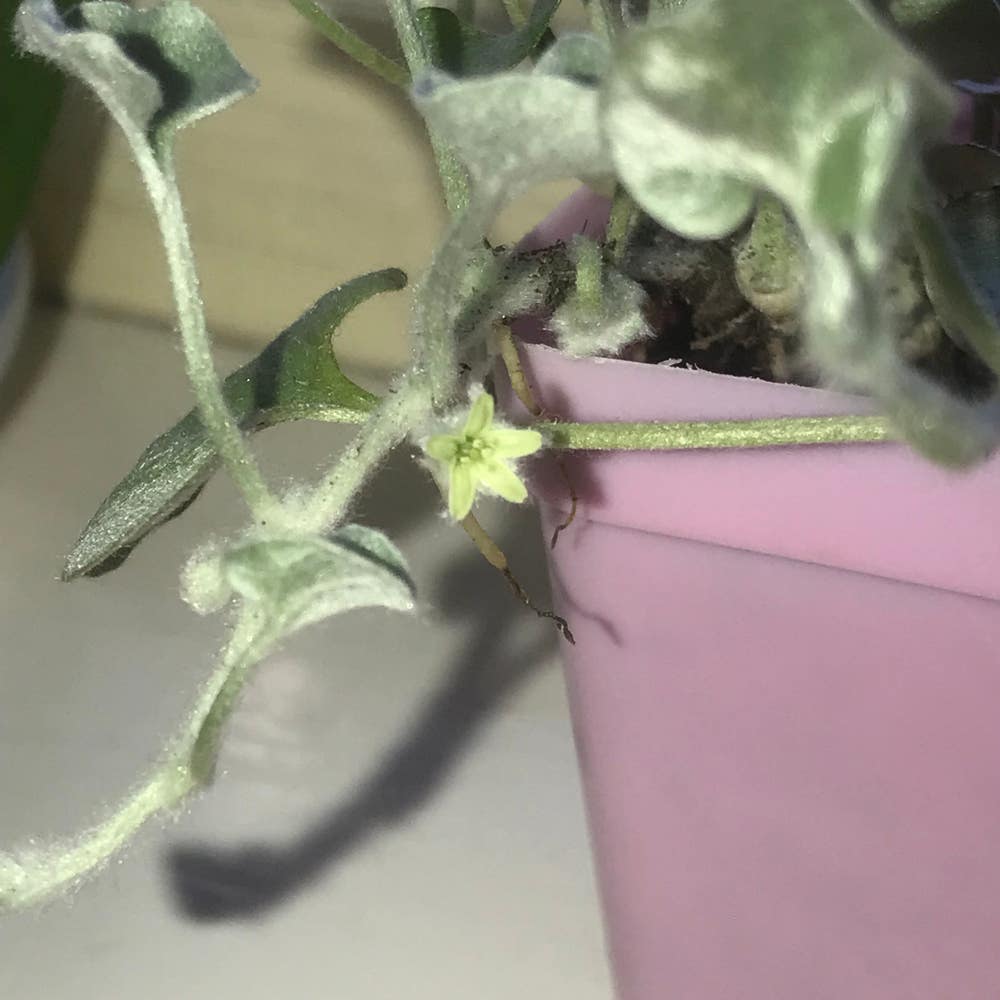
✨ Ultimate Guide to Fixing Black Spots on Silver Falls
Dichondra argentea
By the Greg Editorial Team
Nov 07, 2024•6 min read
This article was created with the help of AI so we can cover more plants for you. May contain errors. See one? Report it here.
- 🌱 Black spots on Silver Falls stem from fungal infections or overwatering issues.
- 🛠️ Early detection of symptoms like wilting is key for effective treatment.
- 🌿 Organic treatments like neem oil can effectively combat black spots on Silver Falls.
Causes of Black Spots on Leaves
🦠 Fungal and Bacterial Infections
Black spots on your Silver Falls leaves often signal fungal or bacterial infections. Fungal infections, particularly leaf spot disease, are common culprits that can spread quickly if not addressed.
Bacterial infections can also wreak havoc, presenting as water-soaked spots that lead to rapid deterioration of the leaves. Recognizing these signs early is crucial for effective treatment.
💧 Watering and Soil Issues
Overwatering is a frequent issue that can lead to root rot and the dreaded leaf spots. It's essential to strike a balance; too much moisture can create an environment ripe for disease.
Soil drainage problems are another factor, as poor drainage traps excess moisture around the roots. Additionally, nutrient deficiencies can weaken your plant, making it more susceptible to infections. Ensuring your Silver Falls has the right nutrients is vital for its health and resilience.
Understanding these causes is the first step toward restoring your plant's vitality. Next, we’ll explore how to diagnose the problem effectively.
Diagnosing the Problem
Identifying Symptoms of Leaf Spot Disease 🌿
Black spots on Silver Falls leaves can vary significantly in size, shape, and color. These spots are often the first visible sign of leaf spot disease, indicating that your plant may be struggling.
In addition to spotting, you might notice wilting and yellowing of the leaves. These symptoms often suggest deeper issues, such as nutrient deficiencies or infections that need addressing.
Diagnostic Methods 🔍
A thorough visual inspection is your first step in diagnosing the problem. Look for specific characteristics of infections, such as the pattern and distribution of the black spots.
If the issue remains unclear, consider potential lab testing. This can provide a definitive diagnosis, helping you choose the most effective treatment for your Silver Falls.
By identifying the symptoms and employing diagnostic methods, you can take the necessary steps to restore your plant's health. Next, let’s explore effective treatment options to combat these pesky black spots.
Treatment Options
🌱 Organic Treatments for Black Spots
When it comes to treating black spots on Silver Falls, organic options can be both effective and environmentally friendly.
Neem Oil
Neem oil is a popular choice for combating fungal infections. To use it, mix one to two tablespoons of neem oil with a quart of water and a few drops of dish soap. Spray this solution on the affected leaves, ensuring thorough coverage. Repeat every seven to fourteen days, especially after rain, to maintain its effectiveness.
Baking Soda Solution
Another effective organic remedy is a baking soda solution. Combine one tablespoon of baking soda with a quart of water and a few drops of liquid soap. Spray this mixture on the leaves, focusing on the spots. This treatment not only helps to combat existing infections but can also prevent new ones from forming.
⚗️ Chemical Treatments and Fungicides
For more severe cases, chemical treatments may be necessary.
Recommended Fungicides
Look for fungicides that contain active ingredients like chlorothalonil or copper sulfate. Follow the manufacturer's instructions for application rates and timing. Typically, you'll want to apply these fungicides during the early stages of infection for the best results.
Safety Precautions
Always prioritize safety when using chemical treatments. Wear gloves and a mask during application, and ensure good ventilation. Keep pets and children away from treated areas until the product has dried completely.
📝 Step-by-Step Guide to Treating Affected Leaves
To effectively treat black spots on your Silver Falls, follow these steps:
- Identify affected leaves: Inspect your plant for black spots and assess overall health.
- Remove infected leaves: Use proper pruning techniques to cut away any infected foliage, preventing the spread of disease.
- Apply chosen treatment: Select either an organic or chemical method based on the severity of the infection.
- Monitor progress: Regularly check the treated leaves for improvement or any new symptoms that may arise.
By following these treatment options, you can help restore your Silver Falls to its vibrant, healthy state. Next, let’s explore prevention strategies to keep your plants thriving and disease-free.
Prevention Strategies
Best Watering Practices 💧
Maintaining optimal moisture levels is crucial for the health of your Silver Falls. Aim to water deeply but infrequently, allowing the soil to dry out between sessions to prevent overwatering.
Deep watering encourages roots to grow deeper, while surface watering can lead to shallow root systems. Adjust your watering frequency based on the season and weather conditions to keep your plants thriving.
Importance of Soil Drainage and Aeration 🌱
Soil composition plays a vital role in drainage and overall plant health. A mix that includes organic matter, such as compost, can enhance drainage and provide essential nutrients.
Aeration is equally important; it helps prevent soil compaction and allows roots to breathe. Techniques like using a garden fork or aeration tools can improve soil structure, promoting healthier growth.
Nutrient Management 🥦
To keep your Silver Falls vibrant, focus on essential nutrients like nitrogen, phosphorus, and potassium. These elements support robust growth and resilience against diseases.
Establish a fertilization schedule that aligns with the growing season. Use balanced fertilizers and consider organic options to nourish your plants effectively.
By implementing these prevention strategies, you can significantly reduce the risk of black spots and ensure your Silver Falls remain healthy and beautiful.
Next, let’s explore ongoing care and maintenance to keep your plants in top shape throughout the year.
Ongoing Care and Maintenance
🌱 Regular Inspection and Monitoring
Regularly inspecting your Silver Falls is crucial for early detection of issues. Aim to check your plants at least once a week for signs of distress.
Look for key indicators such as wilting leaves, discoloration, or the appearance of black spots. These symptoms can signal underlying problems that need immediate attention.
🌼 Seasonal Care Tips
Spring: Preparing for Growth
As spring arrives, focus on rejuvenating your Silver Falls. Remove any winter damage and ensure your plants are ready for the growing season.
This is also the perfect time to assess soil quality and amend it if necessary. Fresh nutrients will support robust growth.
☀️ Summer: Managing Heat Stress
During the hot summer months, monitor your plants closely. Silver Falls can suffer from heat stress, so adjust your watering routine accordingly.
Deep watering is essential to help roots access moisture. Keep an eye on leaf health, as signs of stress may appear quickly.
🍂 Fall: Preparing for Dormancy
As fall approaches, prepare your Silver Falls for dormancy. This involves reducing watering and ensuring they are protected from potential diseases.
Cleaning up fallen leaves and debris around your plants can prevent fungal infections. A little preparation now can lead to a healthier plant come spring.
By following these ongoing care and maintenance tips, you can ensure your Silver Falls thrive throughout the seasons. With proper attention and care, your plants will not only survive but flourish, setting the stage for a vibrant display year-round.
⚠️ Safety First
This content is for general information and may contain errors, omissions, or outdated details. It is not medical, veterinary advice, or an endorsement of therapeutic claims.
Always consult a qualified healthcare professional before using any plant as food, medicine, or supplement.
Never eat any plant (or feed one to pets) without confirming its identity with at least two trusted sources.
If you suspect poisoning, call Poison Control (800) 222-1222, the Pet Poison Helpline (800) 213-6680, or your local emergency service immediately.
Spotted an error? Please report it here.
Combat black spots on your Silver Falls and watch them thrive 🌿 with Greg's tailored care tips and reminders that keep your plant healthy all year round!