✨ Silver Falls Is a Garden Plant, Not a Weed
Dichondra argentea
By the Greg Editorial Team
Nov 07, 2024•6 min read
This article was created with the help of AI so we can cover more plants for you. May contain errors. See one? Report it here.
- 🌱 Silver Falls is a garden plant, not invasive, with manageable growth habits.
- 🌼 It enhances aesthetics and suppresses weeds, attracting beneficial insects like bees.
- 🌿 Supports sustainable gardening by improving soil health and reducing herbicide use.
Plant Classification
Definition of Invasive Species 🌱
Invasive species are plants that exhibit rapid growth and spread beyond their intended areas. They often displace native species and can have a negative impact on local ecosystems, disrupting the balance of nature.
Characteristics that Differentiate Silver Falls from Invasive Plants 🌿
Silver Falls stands out due to its non-aggressive growth habit. Typically, it reaches a height of 4-6 inches and can spread up to 3 feet, coexisting peacefully with other garden plants without overwhelming them.
Its limited spread potential is another key characteristic. Environmental conditions and competition with other plants naturally restrict its growth, making it a manageable addition to any garden.
Understanding plant classification is crucial for gardeners. It empowers them to make informed decisions about plant selection and garden design, ensuring a harmonious landscape.
Growth Habits
Typical Growth Patterns in Gardens 🌱
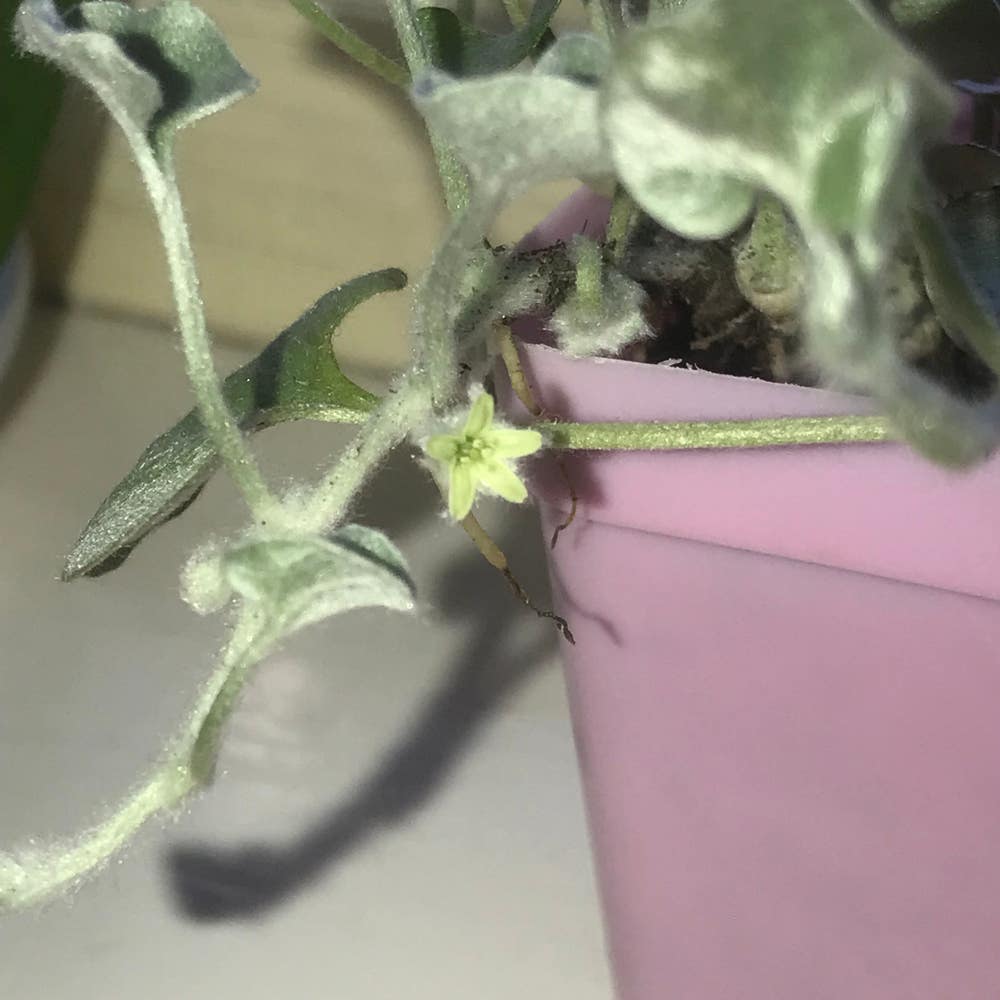
Silver Falls is a stunning addition to any garden, showcasing cascading foliage that thrives in hanging baskets and as ground cover. Its growth form creates a dense mat, effectively suppressing weeds and enhancing the overall aesthetics of your garden.
In terms of seasonal growth, Silver Falls is quite dynamic. It actively grows during the spring and summer months, entering a dormant phase when colder weather sets in.
Natural Limits to Growth and Spread Potential 🌍
Understanding the environmental factors that influence Silver Falls is crucial for successful gardening. This plant prefers well-drained soils and demonstrates impressive drought tolerance, making it resilient in various conditions.
However, its growth is naturally limited by soil moisture levels and competition from more aggressive plants. Regular monitoring is essential to maintain its desired growth and ensure it stays within intended areas, allowing you to enjoy its beauty without worry.
With these insights, you can confidently incorporate Silver Falls into your garden, knowing it will enhance your space without overwhelming it.
Ecological Role
Benefits in Garden Ecosystems 🌼
Silver Falls plays a vital role in enhancing biodiversity within garden ecosystems. Its lush foliage attracts beneficial insects, particularly pollinators like bees and butterflies, which are essential for the health of many plants.
Additionally, Silver Falls provides habitat for local wildlife. This not only supports the ecosystem but also creates a vibrant garden environment where nature thrives.
Positive Interactions with Local Wildlife and Other Plants 🦋
Companion planting with Silver Falls can yield impressive benefits. It pairs beautifully with other non-invasive plants, creating diverse landscapes that are visually appealing and ecologically sound.
Moreover, the root interactions of Silver Falls can improve soil health and structure. This synergy fosters a thriving garden ecosystem, making it a smart choice for any gardener looking to promote sustainability.
Incorporating Silver Falls into your garden design not only enhances its beauty but also contributes positively to the environment. As we explore garden management techniques next, consider how to effectively integrate this plant into your landscape for maximum benefit.
Garden Management Techniques
Effective Incorporation into Garden Designs 🌿
Silver Falls is a versatile plant that can enhance any garden design. Use it as a ground cover in shaded areas or let it cascade over walls for a stunning visual effect.
Pairing Silver Falls with contrasting foliage plants can create dynamic landscapes. The unique silver leaves stand out beautifully against darker greens, adding depth and interest to your garden.
Considerations for Controlling Growth for Aesthetics ✂️
To keep Silver Falls looking its best, regular pruning is essential. Trim it back periodically to maintain its shape and prevent any unwanted overgrowth.
It's also important to monitor its spread into neighboring areas. Keeping an eye on its growth ensures it remains a charming addition without becoming unruly.
With these management techniques, you can enjoy the beauty of Silver Falls while maintaining a well-organized garden. Next, let’s explore its ecological role and how it benefits garden ecosystems.
Comparison to Other Plants
🌱 Similar Non-Invasive Plants for Comparison
When considering ground cover options, Silver Falls stands out, but it's not alone. Two comparable non-invasive plants are creeping thyme and blue star creeper.
- Creeping thyme offers aromatic foliage and tiny flowers, making it a delightful addition to any garden.
- Blue star creeper features small, star-shaped blooms that create a lovely carpet effect.
These plants share the non-invasive trait, making them excellent companions in your garden.
✨ Unique Qualities in Garden Settings
Silver Falls brings a unique flair to garden designs with its striking silver foliage. This distinctive color not only adds visual interest but also enhances the overall texture of your landscape.
Moreover, its versatility allows it to thrive in various garden styles. Whether you’re cultivating a modern aesthetic, a rustic retreat, or a wildlife-friendly haven, Silver Falls fits right in. Its adaptability makes it a favorite among gardeners looking to create diverse and vibrant spaces.
Incorporating Silver Falls alongside these other non-invasive plants can lead to a stunning garden that is both beautiful and ecologically sound. This thoughtful selection promotes a healthy ecosystem while ensuring your garden remains visually appealing.
As we explore the next section, we’ll delve into the legal and environmental considerations surrounding the use of Silver Falls in your gardening endeavors.
Legal and Environmental Considerations
📜 Relevant Classifications and Guidelines
When incorporating Silver Falls into your garden, it's essential to be aware of local regulations. Many regions have guidelines that promote the planting of non-invasive species to protect native ecosystems.
Selecting non-invasive plants like Silver Falls not only complies with these regulations but also contributes to sustainable gardening practices. This choice helps maintain the balance of local flora and fauna, ensuring that your garden thrives without harming the environment.
🌱 Role in Sustainable Gardening Practices
Silver Falls plays a significant role in creating eco-friendly landscapes. Its non-invasive nature means you can enjoy its beauty without the worry of it overtaking your garden or spreading uncontrollably.
By choosing Silver Falls, you reduce the need for chemical herbicides, making your gardening practices more sustainable. This plant supports local ecosystems and promotes biodiversity, allowing you to cultivate a vibrant garden that benefits both you and the environment.
Incorporating Silver Falls into your garden design not only enhances its aesthetic appeal but also aligns with responsible gardening principles. As you plan your garden, consider how this plant can contribute to a healthier ecosystem while providing a stunning visual impact.
⚠️ Safety First
This content is for general information and may contain errors, omissions, or outdated details. It is not medical, veterinary advice, or an endorsement of therapeutic claims.
Always consult a qualified healthcare professional before using any plant as food, medicine, or supplement.
Never eat any plant (or feed one to pets) without confirming its identity with at least two trusted sources.
If you suspect poisoning, call Poison Control (800) 222-1222, the Pet Poison Helpline (800) 213-6680, or your local emergency service immediately.
Spotted an error? Please report it here.
Transform your garden with the stunning Silver Falls 🌿, and let Greg guide you with personalized care tips and companion planting advice to ensure your landscape thrives beautifully!