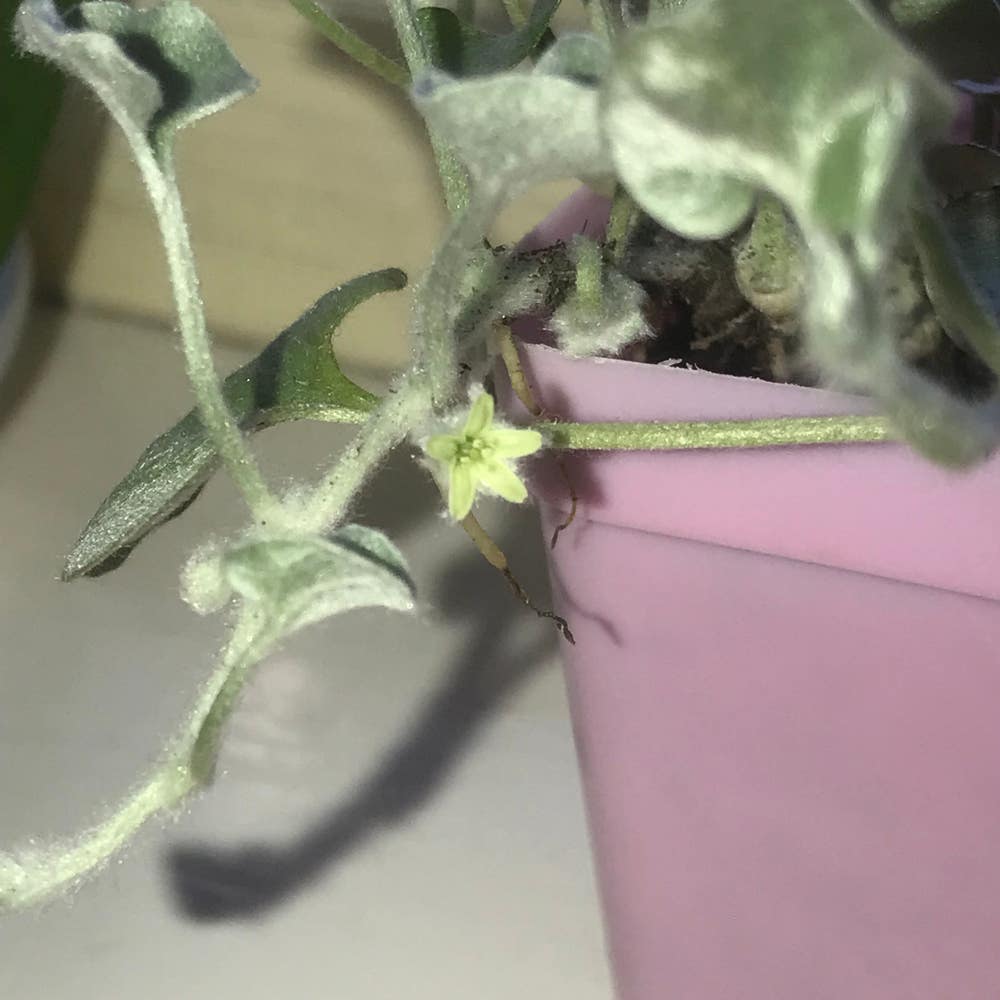
Determining What Might Be Eating Your Silver Falls 🐛
Dichondra argentea
By the Greg Editorial Team
Nov 07, 2024•6 min read
This article was created with the help of AI so we can cover more plants for you. May contain errors. See one? Report it here.
- 🦌 Deer, rabbits, and squirrels are common herbivores damaging Silver Falls plants.
- 🚫 Effective deterrents include repellents, barriers, and companion planting for protection.
- 🌼 Beneficial wildlife can enhance garden health while deterring harmful pests.
Common Herbivores Affecting Silver Falls
🦌 Deer
Signs of presence and damage caused
Look for distinct hoof prints in the soil, which indicate deer activity. You may also notice irregularly torn leaves and stems, typically at a height of 2-4 feet, showing where deer have been browsing.
Impact on Silver Falls
Deer can be generally harmful to Silver Falls, as they often strip foliage and stunt growth. This damage can significantly affect the plant's health and overall appearance.
Deterrent methods (difficulty: moderate)
To deter deer, consider using commercial repellents with strong scents, such as garlic or putrescent egg solids. Alternatively, planting deer-resistant companion plants and erecting physical barriers like fencing can effectively keep them at bay.
🐇 Rabbits
Signs of presence and damage caused
Rabbits leave small, rounded footprints and droppings near the plants. You might also find cleanly cut stems and leaves, typically at ground level, indicating their presence.
Impact on Silver Falls
Rabbits can be quite harmful, often decimating young plants and hindering their growth. Their feeding habits can lead to significant setbacks in your garden.
Deterrent methods (difficulty: easy)
For rabbit control, use repellents containing capsaicin or predator urine. Surrounding plants with chicken wire or employing motion-activated sprinklers can also help keep these critters away.
🐿️ Squirrels
Signs of presence and damage caused
Look for small paw prints and chewed debris around the base of your Silver Falls. Gnawed leaves and stems, often accompanied by scattered debris, are clear signs of squirrel activity.
Impact on Silver Falls
Squirrels can cause considerable damage, leading to reduced vigor in your plants. Their persistent gnawing can compromise the health of Silver Falls.
Deterrent methods (difficulty: moderate)
To deter squirrels, consider using repellents with strong odors, like peppermint oil. Installing squirrel baffles on bird feeders and using noise deterrents can also be effective strategies.
🐦 Birds
Signs of presence and damage caused
You may notice feathers and droppings around your plants, indicating bird activity. Damage often includes pecked leaves and flowers, with missing seeds being a common issue.
Impact on Silver Falls
Birds have a mixed impact on Silver Falls. While some species help control insect populations, others can cause damage that affects the plant's health.
Deterrent methods (difficulty: easy)
Non-toxic bird repellents can help manage bird populations. Hanging reflective objects or using bird netting can protect vulnerable areas of your garden.
🐭 Rodents (mice, voles, etc.)
Signs of presence and damage caused
Look for small footprints and burrow entrances near your plants. You may also find gnawed roots and stems, which can lead to wilting.
Impact on Silver Falls
Rodents can be generally harmful, causing significant damage and root loss. Their feeding habits can severely compromise the health of your Silver Falls.
Deterrent methods (difficulty: moderate)
Consider using rodent bait stations with anticoagulants for control. Alternatively, traps and planting deterrent herbs like mint around your garden can be effective organic solutions.
🦡 Groundhogs/Woodchucks
Signs of presence and damage caused
Groundhogs leave large paw prints and burrows near your plants. You might also see extensive chewing on stems and leaves, often leaving stubs behind.
Impact on Silver Falls
These animals can be particularly harmful, as they can completely destroy plants in a short time. Their feeding can lead to significant losses in your garden.
Deterrent methods (difficulty: hard)
To deter groundhogs, use commercial repellents with strong scents. Installing fencing at least 3 feet high and burying it 1 foot underground can provide an effective barrier against these persistent pests.
Understanding the common herbivores that affect Silver Falls is crucial for maintaining a healthy garden. By recognizing the signs of damage and implementing effective deterrent methods, you can protect your plants and promote their growth. Next, let’s explore the beneficial animals that can enhance your garden ecosystem.
Beneficial Animals and Ecosystem Interactions
🐝 Description of Beneficial Animals Attracted to Silver Falls
Silver Falls isn't just a feast for herbivores; it also attracts a variety of beneficial animals.
Pollinators like bees and butterflies flock to its vibrant flowers, drawn by the nectar they provide. Their presence is crucial for the pollination process, which enhances the overall health of your garden.
Predatory insects such as ladybugs and lacewings play a vital role in pest management. They naturally control aphid populations, reducing the need for chemical pesticides.
🌿 Positive Impacts on the Garden Ecosystem
The benefits of these beneficial animals extend beyond mere aesthetics.
Enhanced pollination leads to better fruit and seed production, ensuring a bountiful harvest. This natural process not only supports the plants but also contributes to a thriving ecosystem.
Moreover, the presence of these helpful creatures fosters natural pest control. By keeping pest populations in check, they minimize the reliance on chemical interventions, promoting a healthier garden environment.
Incorporating Silver Falls into your garden can create a harmonious balance, attracting beneficial wildlife while deterring harmful herbivores. This synergy not only enriches your garden but also enhances your gardening experience, making it a rewarding endeavor.
As you cultivate your Silver Falls, remember to appreciate the beneficial animals that contribute to its success. Their interactions with your plants are essential for a flourishing garden ecosystem.
General Strategies for Protecting Silver Falls
🛡️ Preventive Measures for Herbivore Damage
To protect your Silver Falls from herbivores, consider planting them in raised beds or containers. This simple strategy can effectively deter ground-level pests, making it harder for them to reach your plants.
Another effective method is companion planting. By creating a diverse ecosystem with various plants, you can confuse pests and reduce their impact on your Silver Falls.
⚠️ Reactive Solutions for Managing Animal Interactions
Regular monitoring is crucial for managing animal interactions. Keep an eye out for signs of animal activity, and be ready to take immediate action if you notice any damage.
Combining chemical and organic deterrents tailored to specific herbivores can enhance your protection strategy. This dual approach allows you to address the problem effectively while minimizing harm to beneficial wildlife.
🌱 Seasonal Variations in Animal Attraction to Silver Falls
Be aware that herbivore activity tends to increase in spring and early summer. During this time, young shoots are particularly tender and attractive to various pests.
As the seasons change, so do animal behaviors. Regularly monitor your garden and adjust your strategies accordingly to stay one step ahead of potential threats to your Silver Falls.
By implementing these strategies, you can create a thriving environment for your Silver Falls while minimizing the risks posed by herbivores.
⚠️ Safety First
This content is for general information and may contain errors, omissions, or outdated details. It is not medical, veterinary advice, or an endorsement of therapeutic claims.
Always consult a qualified healthcare professional before using any plant as food, medicine, or supplement.
Never eat any plant (or feed one to pets) without confirming its identity with at least two trusted sources.
If you suspect poisoning, call Poison Control (800) 222-1222, the Pet Poison Helpline (800) 213-6680, or your local emergency service immediately.
Spotted an error? Please report it here.
Protect your Silver Falls from hungry herbivores with Greg's expert tips and community support 🌱, ensuring your garden thrives while you enjoy the beauty of your plants!