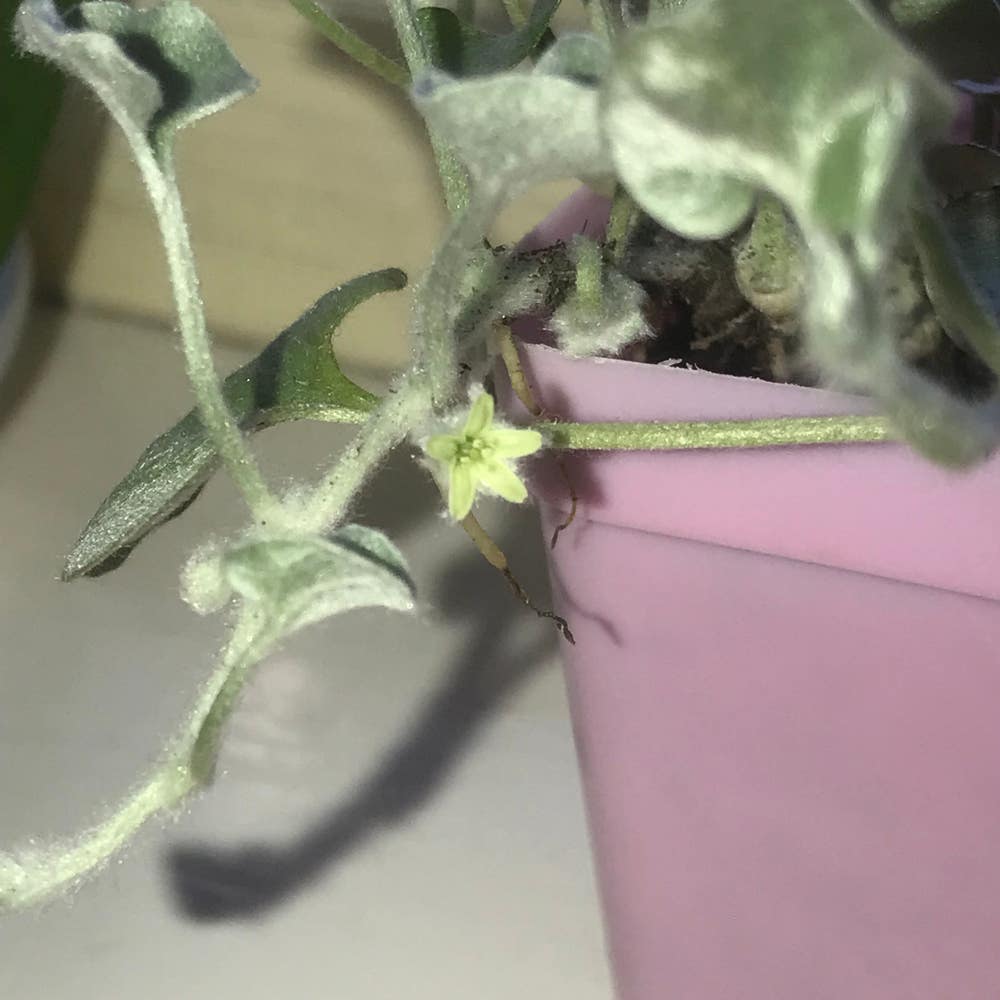
✨ Top 5 Companion Ideas for a Thriving Silver Falls
Dichondra argentea
By the Greg Editorial Team
Nov 07, 2024•4 min read
This article was created with the help of AI so we can cover more plants for you. May contain errors. See one? Report it here.
- 🌱 Creeping thyme and coral bells are perfect companions for Silver Falls, offering pest resistance.
- 🌼 Hostas and ferns thrive alongside Silver Falls, enhancing humidity and visual appeal.
- ❌ Avoid mint and black-eyed Susan; they compete for resources and hinder Silver Falls' growth.
Top Companion Plants for Silver Falls
Plant 1: Creeping Thyme 🌱
Creeping thyme is a fantastic companion for Silver Falls. It thrives in well-drained soil and partial shade, making it a perfect match for the growing conditions of Silver Falls.
This plant is drought-tolerant once established, aligning well with Silver Falls' water needs. Additionally, it offers pest-repellent properties, deterring harmful insects like cabbage moths. Visually, its green foliage and purple flowers provide a beautiful contrast, enhancing the overall aesthetic of your garden.
Plant 2: Hostas 🌿
Hostas are another excellent choice for pairing with Silver Falls. They prefer partial to full shade and moist, well-drained soil, which complements the needs of Silver Falls perfectly.
These plants share similar watering requirements, ensuring compatibility. Their large leaves can deter slugs and snails, providing natural pest management. Plus, hostas add height and lush foliage, enriching the visual appeal of your Silver Falls garden.
Plant 3: Ferns 🍃
Ferns thrive in shady areas with well-drained, moist soil, making them ideal companions for Silver Falls. They require similar humidity levels, which helps create a harmonious garden environment.
Some ferns even possess pest-repellent properties, deterring pests like aphids. Their feathery fronds create a soft, textured backdrop, enhancing the beauty of Silver Falls and adding depth to your garden design.
Plant 4: Coral Bells 🔔
Coral bells prefer well-drained soil and partial shade, aligning perfectly with the requirements of Silver Falls. Once established, they are drought-tolerant, complementing the low-water needs of Silver Falls.
These plants also contribute to pest management, as their foliage can deter pests like aphids and spider mites. Visually, coral bells offer a variety of colors and textures, enhancing the garden's diversity and making it more visually engaging.
Plant 5: Ajuga 🌸
Ajuga is a low-maintenance option that thrives in partial shade and well-drained soil, similar to Silver Falls. Once established, it is drought-tolerant, making it a practical companion.
This plant boasts pest-repellent properties, deterring slugs and snails. With its vibrant blue flowers and dense foliage, ajuga creates a striking contrast with Silver Falls, adding a pop of color to your garden.
These companion plants not only enhance the health and growth of Silver Falls but also elevate the overall beauty of your garden. By carefully selecting these plants, you can create a thriving, visually appealing landscape that showcases the unique qualities of Silver Falls.
Next, let’s explore which plants to avoid near Silver Falls to ensure optimal growth and health.
Plants to Avoid Near Silver Falls
🌱 Mint
Mint may seem like a delightful addition to your garden, but it’s best to steer clear of this herb. Its invasive nature allows it to spread rapidly, quickly outcompeting Silver Falls for essential resources.
🌼 Black-eyed Susan
Another plant to avoid is Black-eyed Susan. This vibrant flower thrives in full sun, which can lead to competition for light, ultimately hindering the growth of Silver Falls.
🚫 Why Certain Plants May Hinder Growth
When selecting companions for Silver Falls, consider how competition for nutrients, water, and light can stress your plants. Such competition can lead to poor growth and overall health for Silver Falls, diminishing its beauty and vitality in your garden.
By avoiding these plants, you can ensure a thriving environment for your Silver Falls, allowing it to flourish alongside its compatible companions. Next, let’s explore how companion plants can enhance the visual appeal and design of your garden.
Visual Appeal and Design Considerations
Companion plants play a crucial role in enhancing the aesthetic of your garden. They create layers and depth, transforming a flat space into a visually captivating landscape.
✨ Highlighting Silver Falls
The combination of various textures and colors can beautifully accentuate the silvery-green foliage of Silver Falls. This contrast not only draws the eye but also adds a dynamic quality to your garden.
🎨 Arranging for Impact
To maximize visual impact, consider these tips for arranging your companion plants:
Group Taller Plants: Position taller plants behind Silver Falls to create a cascading effect. This layering adds dimension and makes the garden feel more expansive.
Use Contrasting Colors: Select companion plants with vibrant hues to draw attention to Silver Falls. This strategy can make your garden pop and keep it visually engaging.
Seasonal Changes: Consider the seasonal variations of your companion plants. Choosing plants that bloom at different times will maintain interest throughout the year, ensuring your garden remains lively and colorful.
By thoughtfully selecting and arranging companion plants, you can create a stunning visual display that highlights the beauty of Silver Falls. This approach not only enhances the garden's aesthetic but also fosters a thriving ecosystem.
Next, let’s explore which plants to avoid near Silver Falls to ensure optimal growth and health.
⚠️ Safety First
This content is for general information and may contain errors, omissions, or outdated details. It is not medical, veterinary advice, or an endorsement of therapeutic claims.
Always consult a qualified healthcare professional before using any plant as food, medicine, or supplement.
Never eat any plant (or feed one to pets) without confirming its identity with at least two trusted sources.
If you suspect poisoning, call Poison Control (800) 222-1222, the Pet Poison Helpline (800) 213-6680, or your local emergency service immediately.
Spotted an error? Please report it here.
Create a thriving garden oasis 🌱 for your Silver Falls by selecting the perfect companions, and let Greg guide you with tailored care tips to ensure they all flourish together!