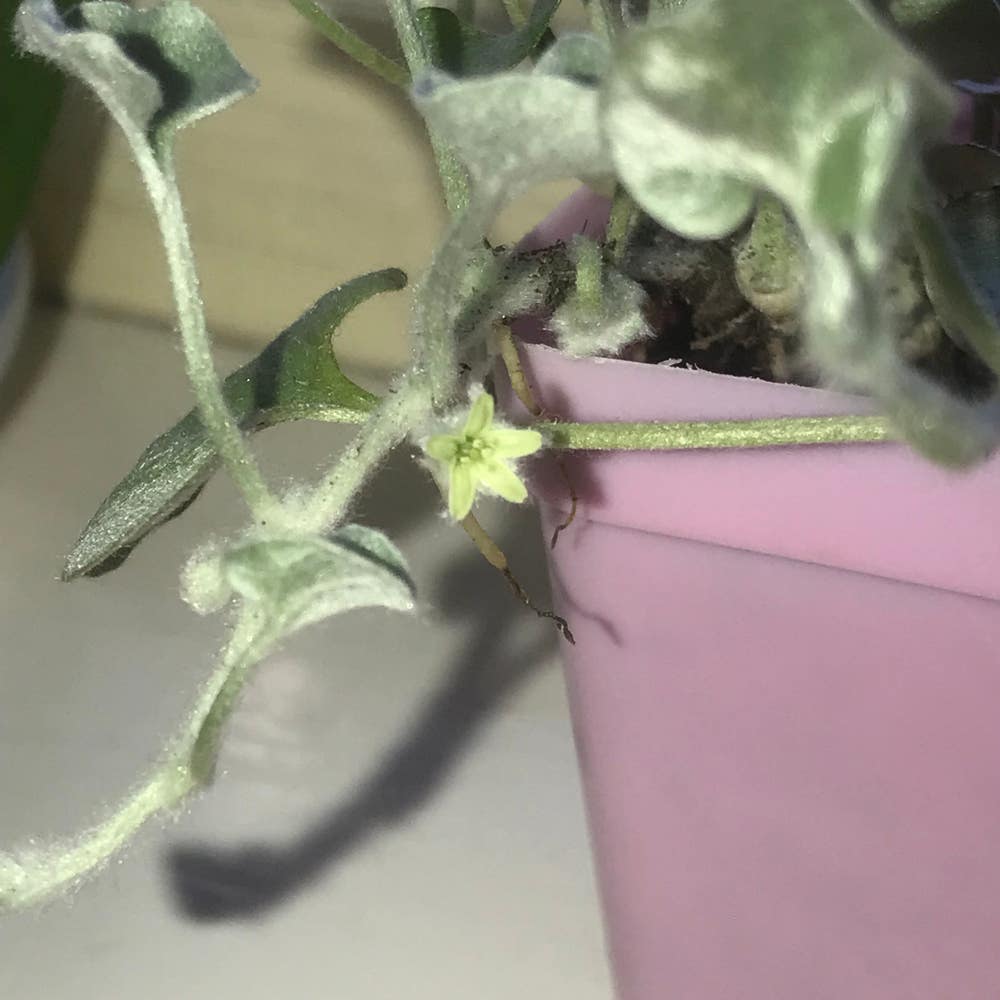
Best Practices for Repotting Silver Button Plant 🪴
Dichondra argentea
By the Greg Editorial Team
Oct 19, 2024•7 min read
This article was created with the help of AI so we can cover more plants for you. May contain errors. See one? Report it here.
- 🌱 Signs your Silver Button Plant needs repotting include root binding and stunted growth.
- 🕒 Repot every 1-2 years in spring for optimal growth and health.
- 🧴 Use well-draining soil and a pot 1-2 inches larger for best results.
Signs That Your Plant Needs Repotting
🌱 Root Bound Indicators
Recognizing when your Silver Button Plant needs repotting is crucial for its health. One clear sign is roots growing out of the drainage holes; this indicates the plant is cramped and needs more space.
Another indicator is roots circling the pot's interior. If you notice stunted growth despite providing adequate care, it’s time to consider a new pot. Yellowing leaves or leaf drop can also signal that your plant is struggling for room.
🚩 Other Signs
Pay attention to how quickly the soil dries out after watering. If it seems to dry out too quickly, your plant may be root-bound.
Water pooling on the surface instead of draining is another red flag. Additionally, visible salt buildup on the soil surface indicates that the plant is not absorbing nutrients effectively, often due to restricted root growth.
Recognizing these signs early can help you maintain a thriving Silver Button Plant. Next, let’s explore the ideal timing for repotting to ensure your plant gets the best care possible.
Ideal Timing for Repotting
🌱 Seasonal Considerations
Timing is everything when it comes to repotting your Silver Button Plant. The best window is in spring or early summer, right when the plant is actively growing and ready to thrive in a new environment.
Avoid repotting during dormancy, which typically occurs in the fall and winter. This can stress the plant and hinder its recovery.
⏰ Frequency of Repotting
As a general rule, aim to repot every 1-2 years. Keep an eye out for signs of root binding, which can indicate it's time for a change.
Younger plants tend to grow faster, so they may need repotting more frequently. Staying attentive to their growth will help ensure they remain healthy and vibrant.
With the right timing and frequency, your Silver Button Plant will flourish. Next, let’s dive into the step-by-step guide for repotting!
Step-by-Step Guide to Repotting
Repotting your Silver Button Plant can seem daunting, but with the right approach, it’s a straightforward process. Follow these steps to ensure your plant thrives in its new home.
1. Gather Your Materials 🛠️
Start by collecting the essentials: a new pot, potting soil, a trowel, and a watering can. Having everything ready will make the process smoother.
2. Choose the Right Pot 🪴
Select a pot that is 1-2 inches larger in diameter than the current one. This extra space allows for healthy root growth without overwhelming the plant.
3. Remove the Plant 🌱
To take the plant out, gently squeeze the sides of the pot to loosen the soil. Tilt the pot and carefully pull the plant out by the base, ensuring you don’t damage the roots.
4. Inspect the Roots 🔍
Once out, check the roots for any dead or damaged sections. Trim these with sterilized scissors to promote healthy growth.
5. Prepare the New Pot 🥣
Add a layer of potting soil to the bottom of the new pot. This base layer provides a cushion for the roots.
6. Position the Plant 📍
Place the plant in the center of the new pot. Fill in around the roots with potting soil, ensuring it’s snug but not too tight.
7. Water Thoroughly 💧
After positioning the plant, water it thoroughly. The soil should be moist but not waterlogged, which helps settle the roots.
8. Clean Up 🧹
Finally, remove any excess soil from the rim of the pot. This not only looks tidy but also prevents soil from spilling when you water.
With these steps, your Silver Button Plant will be ready to flourish in its new environment. Next, let’s explore the best pot materials to enhance your plant's growth even further.
Pot Material Options
Best Pot Materials 🌱
When choosing a pot for your Silver Button Plant, consider the material carefully.
Terracotta
Terracotta pots are a popular choice due to their breathability. They allow air to circulate, which helps with moisture control, but they can dry out quickly, requiring more frequent watering.
Plastic
Plastic pots are lightweight and retain moisture longer, making them convenient for busy plant parents. However, they are less breathable, which can lead to root rot if drainage isn’t managed properly.
Materials to Avoid 🚫
Not all pots are created equal, and some can do more harm than good.
Metal Pots
Metal pots may look sleek, but they can overheat in direct sunlight, potentially damaging your plant's roots. It's best to steer clear of these.
Non-Draining Pots
Pots without drainage holes are a definite no-go. They can lead to waterlogging, which is a recipe for root rot and other issues.
Choosing the right pot material is crucial for your plant's health. With the right pot, your Silver Button Plant can thrive and flourish, setting the stage for successful repotting. Next, let’s explore the ideal soil and drainage options to further enhance your plant's environment.
Soil and Drainage
Recommended Potting Soil 🌱
For your Silver Button Plant, a well-draining potting mix is crucial. Look for a blend that includes peat, perlite, and orchid bark to ensure proper aeration.
Importance of Drainage 💧
Good drainage is vital to prevent overwatering and root rot. It helps maintain a healthy root system, allowing your plant to thrive.
Ensuring Proper Drainage 🚰
To ensure effective drainage, always choose pots with drainage holes. Additionally, consider adding a layer of gravel or stones at the bottom of the pot to further enhance water flow.
With the right soil and drainage in place, your Silver Button Plant will be set up for success. Next, let’s explore how to choose the perfect container size for your plant.
Container Size and Type
Choosing the Right Container Size 🌱
When repotting your Silver Button Plant, aim for a pot that is 1-2 inches larger in diameter than the current one. This small increase provides enough room for growth without overwhelming the plant.
Transitioning to a Larger Pot 📦
Gradually increasing pot size is key to a successful transition. Jumping to a much larger pot can stress the plant, making it harder for the roots to establish themselves.
Signs That the Current Pot Is Too Small 🚨
Keep an eye out for roots visible above the soil surface; this is a clear indicator that your plant needs more space. Additionally, if the soil dries out too quickly after watering, it’s time to consider a larger pot to support healthy growth.
By selecting the right container size, you set your Silver Button Plant up for success. Next, let’s explore the various pot material options that can further enhance your plant's environment.
Post-Repotting Care
Care After Repotting 🌱
After repotting your Silver Button Plant, it's crucial to establish a proper care routine. Start by allowing the top inch of soil to dry out before watering again; this helps prevent overwatering and encourages healthy root growth.
Next, provide bright, indirect light to help your plant adjust to its new environment. This light level supports photosynthesis without overwhelming the plant during its transition.
Common Issues and Solutions ⚠️
Be on the lookout for common post-repotting issues like wilting. If you notice this, ensure you're watering correctly and check for any root damage that may have occurred during the repotting process.
Leaf drop can also be a concern. Monitor the light conditions and avoid overwatering, as both factors can stress your plant and lead to this issue.
Monitoring Plant Health 👀
Regularly inspect your plant for signs of stress or root issues. Look for yellowing leaves or stunted growth, which can indicate that adjustments are needed.
Adjust your care practices based on how your plant responds to its new potting conditions. This attentive approach will help ensure your Silver Button Plant thrives in its new home.
With proper care, your plant will flourish, setting the stage for a vibrant display in your space.
⚠️ Safety First
This content is for general information and may contain errors, omissions, or outdated details. It is not medical, veterinary advice, or an endorsement of therapeutic claims.
Always consult a qualified healthcare professional before using any plant as food, medicine, or supplement.
Never eat any plant (or feed one to pets) without confirming its identity with at least two trusted sources.
If you suspect poisoning, call Poison Control (800) 222-1222, the Pet Poison Helpline (800) 213-6680, or your local emergency service immediately.
Spotted an error? Please report it here.
Transform your Silver Button Plant's health with smart repotting tips 🌿 from Greg, ensuring you catch signs of root binding and get tailored reminders for optimal care in its new pot!