✨ Silver Button Plant Is Not an Annual
Dichondra argentea
By the Greg Editorial Team
Oct 19, 2024•5 min read
This article was created with the help of AI so we can cover more plants for you. May contain errors. See one? Report it here.
- 🌱 Silver Button Plant is a perennial, thriving for years, unlike annuals.
- 🌼 It flowers from late spring to early summer, enhancing garden beauty.
- 🌍 Adaptable to environments, its robust roots ensure nutrient absorption and resilience.
Genetic and Physiological Characteristics
Long-term Lifecycle 🌱
The Silver Button Plant undergoes a fascinating lifecycle that includes germination, vegetative growth, flowering, and dormancy. This plant can thrive for several years, showcasing its remarkable ability to adapt to various environmental changes.
Growth Patterns 🌿
One of the key growth habits of the Silver Button Plant is its robust root system, which is essential for nutrient and water absorption. During spring and summer, the plant experiences active growth, while it enters a dormant phase in winter, conserving energy for the next growing season.
Reproductive Strategies 🌼
The Silver Button Plant is notable for its ability to produce seeds over multiple seasons. It employs various strategies to attract pollinators, ensuring successful reproduction and a thriving ecosystem.
Vegetative Propagation 🌳
In addition to seed production, this plant can spread through rhizomes or offsets. This vegetative propagation allows it to establish itself in new areas, further enhancing its resilience and longevity.
The genetic and physiological characteristics of the Silver Button Plant highlight its adaptability and long-term viability. Understanding these traits is crucial for effective garden planning and management. Next, we will explore the lifecycle implications, including growth and flowering cycles.
Lifecycle Implications
🌱 Growth and Flowering Cycles
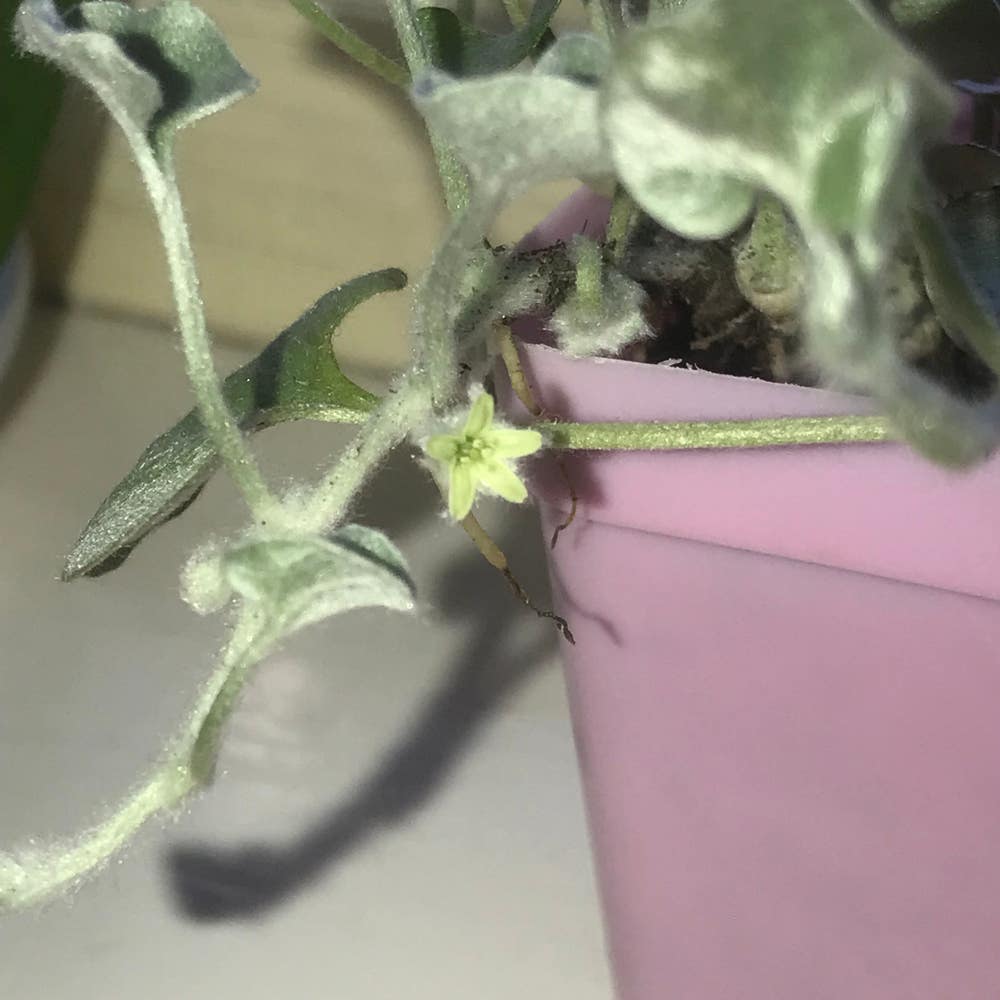
The Silver Button Plant showcases a fascinating timing of flowering, typically blooming in late spring to early summer. This seasonal pattern allows it to take full advantage of warmer temperatures and increased sunlight.
Its duration of flowering is notably extended compared to annuals, often lasting several months. This prolonged blooming season not only adds beauty to gardens but also supports local pollinators throughout the growing period.
🌼 Seed Production Compared to Annuals
One of the remarkable features of the Silver Button Plant is its ability to produce seeds multiple times within a single growing season. This frequent seed production ensures that the plant can thrive and spread, even in varying conditions.
Additionally, the seeds of the Silver Button Plant exhibit impressive longevity and germination rates. This resilience allows them to remain viable for several years, increasing the chances of successful growth in future seasons.
🌍 Environmental Factors Affecting Lifecycle
Climate plays a crucial role in the lifecycle of the Silver Button Plant. Temperature and moisture levels significantly influence its growth patterns and dormancy phases, dictating when the plant will thrive or rest.
Soil conditions are equally important. High-quality soil rich in nutrients promotes the health and longevity of the Silver Button Plant, while poor soil can hinder its growth and overall vitality.
Understanding these lifecycle implications can help gardeners make informed decisions, ensuring that the Silver Button Plant flourishes in their gardens. As we explore common misconceptions next, we’ll uncover how misidentification can occur and the regional variations that affect this resilient perennial.
Common Misconceptions
Situations Where Misclassification Occurs 🌪️
Misidentifying the Silver Button Plant often happens in harsh climates. Extreme weather can lead to stunted growth, making it appear more like an annual than the resilient perennial it truly is.
Poor soil conditions can also contribute to this confusion. When the soil lacks nutrients, the plant struggles, further obscuring its perennial nature.
Regional Variations 🌍
Growth patterns of the Silver Button Plant can vary significantly based on geographic location. In some areas, it may thrive, while in others, it might struggle to establish itself.
Local climate adaptations play a crucial role in how this plant behaves. Understanding these variations can help gardeners appreciate its true perennial characteristics and make informed planting decisions.
As we delve deeper into garden design and planning, consider how these misconceptions can influence your choices.
Garden Design and Planning
🌱 Advantages in Perennial Gardens
Choosing perennials like the Silver Button Plant is a smart, long-term investment. Unlike annuals, which need to be replanted every year, perennials come back season after season, saving you time and money.
Biodiversity is another significant advantage. Incorporating a variety of plants enhances your garden ecosystem, attracting beneficial insects and promoting a balanced environment. This diversity not only looks beautiful but also supports local wildlife.
🌼 Tips for Integration
Companion planting can significantly boost the health of your Silver Button Plant. Pair it with plants that share similar water and sunlight needs to create a thriving garden community.
When planning your garden layout, consider the placement of your Silver Button Plant carefully. Ensure it receives optimal sunlight and has access to adequate water. This will help it flourish and contribute to a vibrant garden space.
By integrating these strategies, you can create a garden that is not only visually appealing but also sustainable and resilient. The Silver Button Plant will thrive, adding beauty and longevity to your outdoor space.
As you plan your garden, keep in mind the importance of management and longevity to ensure your plants continue to thrive.
Management and Longevity
Best Practices for Management 🌱
Pruning is essential for the Silver Button Plant to promote healthy growth and abundant flowering. Regularly trimming back dead or overgrown stems encourages new growth and helps maintain an attractive shape.
Fertilization plays a crucial role in meeting the plant's nutrient needs throughout the growing season. A balanced fertilizer applied in early spring can boost growth, while a second application in mid-summer supports blooming.
Tips for Maximizing Longevity 🌟
Watering strategies are vital for maintaining the right moisture levels without overwatering. Aim for consistent moisture, especially during dry spells, but ensure the soil drains well to prevent root rot.
Pest and disease management is key to ensuring the health of your Silver Button Plant. Regularly inspect for signs of pests and diseases, and employ preventative measures like organic sprays or introducing beneficial insects to keep your plant thriving.
By following these management practices, you can enjoy the beauty of the Silver Button Plant for years to come. Next, let’s explore how to integrate this perennial into your garden design for maximum impact.
⚠️ Safety First
This content is for general information and may contain errors, omissions, or outdated details. It is not medical, veterinary advice, or an endorsement of therapeutic claims.
Always consult a qualified healthcare professional before using any plant as food, medicine, or supplement.
Never eat any plant (or feed one to pets) without confirming its identity with at least two trusted sources.
If you suspect poisoning, call Poison Control (800) 222-1222, the Pet Poison Helpline (800) 213-6680, or your local emergency service immediately.
Spotted an error? Please report it here.
The Silver Button Plant is a long-lasting beauty 🌱 that thrives with proper care, and Greg can help you succeed by providing tailored watering alerts and expert tips for vibrant growth!