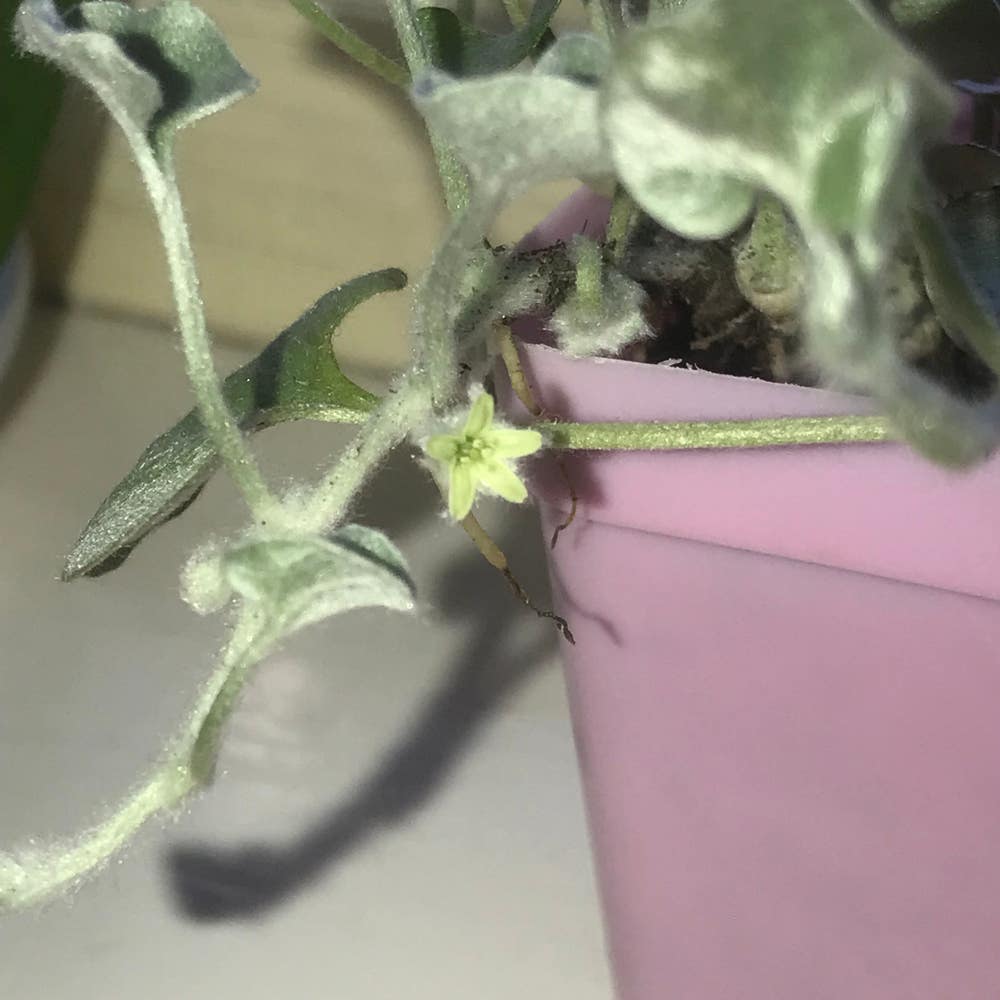
Best Tips for Pruning Silver Button Plant ✂️
Dichondra argentea
By the Greg Editorial Team
Oct 19, 2024•5 min read
This article was created with the help of AI so we can cover more plants for you. May contain errors. See one? Report it here.
- ✂️ Clean cuts prevent disease; always use sharp tools for pruning Silver Button Plants.
- 🌱 Prune in spring for rejuvenation and fall for maintenance to promote healthy growth.
- 🌼 Deadheading boosts blooms; remove spent flowers to redirect energy into new growth.
Types of Pruning Cuts
✂️ Clean Cuts
Making precise cuts is essential when pruning your Silver Button Plant. Clean cuts help avoid tearing, which can lead to unnecessary damage.
This technique is crucial because it reduces the risk of disease and promotes faster healing. A well-made cut allows the plant to recover more efficiently, ensuring its health and vitality.
🌬️ Thinning
Thinning involves selectively removing branches to enhance air circulation within the plant. This practice is vital for reducing overcrowding, which can suffocate growth.
By allowing more light to penetrate, thinning encourages healthier foliage and more robust blooms. It’s a simple yet effective way to keep your plant thriving and looking its best.
Understanding these types of cuts sets the stage for effective pruning practices. Next, we’ll explore when to prune your Silver Button Plant for optimal results.
When to Prune
Best Seasons for Pruning 🌱
Pruning your Silver Button Plant at the right time can make all the difference. Spring is the ideal season for rejuvenation, as it prepares the plant for new growth, while fall is perfect for maintenance after blooming.
Signs That Indicate It's Time to Prune 👀
Keep an eye out for signs that your plant needs attention. Overgrowth is a clear indicator, especially when dense foliage starts obstructing light.
Look for dead or yellowing leaves; these often signal health issues that need addressing. Additionally, if you notice a decline in flowering—fewer blooms than usual—it’s time to get those shears out.
Timing Considerations Based on Growth Cycle ⏰
Timing is crucial for effective pruning. Early spring is the best time for shaping your plant and removing any dead material.
As summer winds down, consider late summer for light maintenance and deadheading. This helps keep your plant healthy and encourages more blooms.
By understanding when to prune, you set your Silver Button Plant up for success, ensuring it thrives throughout the growing season. Next, let’s dive into the practical steps for how to prune effectively.
How to Prune
Step-by-Step Pruning Process 🌱
Pruning your Silver Button Plant can seem daunting, but breaking it down into manageable steps makes it easier. Start by assessing the plant to identify areas that need attention.
Next, prepare your tools. Ensure they are clean and sharp to make precise cuts.
Now, it’s time to make cuts. Focus on dead branches and overgrowth to promote healthier growth.
Finally, shape the plant. Trim it to maintain the desired form, ensuring it looks its best.
Specific Areas to Focus On 🔍
When pruning, pay special attention to dead branches. Removing these entirely helps prevent disease from spreading.
Also, address overgrowth. Thinning out crowded areas improves air circulation, which is crucial for the plant's health.
Techniques for Shaping the Plant ✂️
Two effective techniques for shaping your Silver Button Plant are pinching and topping. Pinching encourages bushier growth, giving your plant a fuller appearance.
Topping, on the other hand, controls height and promotes lateral growth. This technique can help maintain a balanced shape while encouraging new branches to flourish.
With these steps and techniques, you’ll be well on your way to a thriving Silver Button Plant. Next, let’s explore the importance of deadheading for maintaining plant health.
Deadheading
🌼 Importance of Deadheading for Plant Health
Deadheading is crucial for maintaining the vitality of your Silver Button Plant. By preventing seed formation, you redirect the plant's energy towards new growth, ensuring a more robust and vibrant display.
Additionally, deadheading encourages more blooms, extending the flowering period and keeping your garden looking lively. This simple practice can make a significant difference in your plant's overall health and appearance.
✂️ Step-by-Step Instructions for Deadheading
- Identify spent flowers: Look for wilted or brown blooms that have outlived their beauty.
- Use clean shears: Cut just above the first set of healthy leaves to promote new growth.
- Dispose of cuttings: Proper disposal helps prevent potential disease spread, keeping your plant healthy.
🌸 Benefits of Deadheading
Deadheading not only promotes new growth but also encourages your Silver Button Plant to produce more flowers. This practice enhances aesthetics, ensuring your plant remains tidy and vibrant throughout the growing season.
Incorporating deadheading into your regular plant care routine will yield noticeable results. Your garden will thrive, and you'll enjoy the beauty of continuous blooms.
As you embrace the art of deadheading, you'll find it seamlessly integrates into your overall pruning strategy, setting the stage for the next essential topic: common pruning mistakes.
Common Pruning Mistakes
🪴 Mistakes to Avoid When Pruning
Pruning can be a delicate art, and common mistakes can hinder your plant's health. One major pitfall is over-pruning, where too much foliage is removed at once, leaving the plant vulnerable.
Another mistake is making improper cuts. Tearing branches instead of making clean cuts can lead to wounds that invite disease.
✂️ How to Correct Over-Pruning or Improper Cuts
If you've over-pruned, the first step is to assess the remaining foliage. Ensure there are enough leaves left for the plant to recover.
Next, allow your plant some time to bounce back. Patience is key; give it a chance to regain its strength before considering further intervention.
🧙♂️ Myths About Pruning
There are many myths surrounding pruning that can mislead even seasoned gardeners. One common myth is that pruning harms plant health.
In reality, proper pruning promotes growth and vitality. When done correctly, it can rejuvenate your plants and enhance their overall beauty.
As you embark on your pruning journey, keep these insights in mind to ensure your silver button plant thrives. Next, let’s explore the importance of deadheading for maintaining plant health.
⚠️ Safety First
This content is for general information and may contain errors, omissions, or outdated details. It is not medical, veterinary advice, or an endorsement of therapeutic claims.
Always consult a qualified healthcare professional before using any plant as food, medicine, or supplement.
Never eat any plant (or feed one to pets) without confirming its identity with at least two trusted sources.
If you suspect poisoning, call Poison Control (800) 222-1222, the Pet Poison Helpline (800) 213-6680, or your local emergency service immediately.
Spotted an error? Please report it here.
Transform your Silver Button Plant into a thriving beauty 🌿 by using Greg's tailored pruning reminders and expert tips to ensure every cut counts!