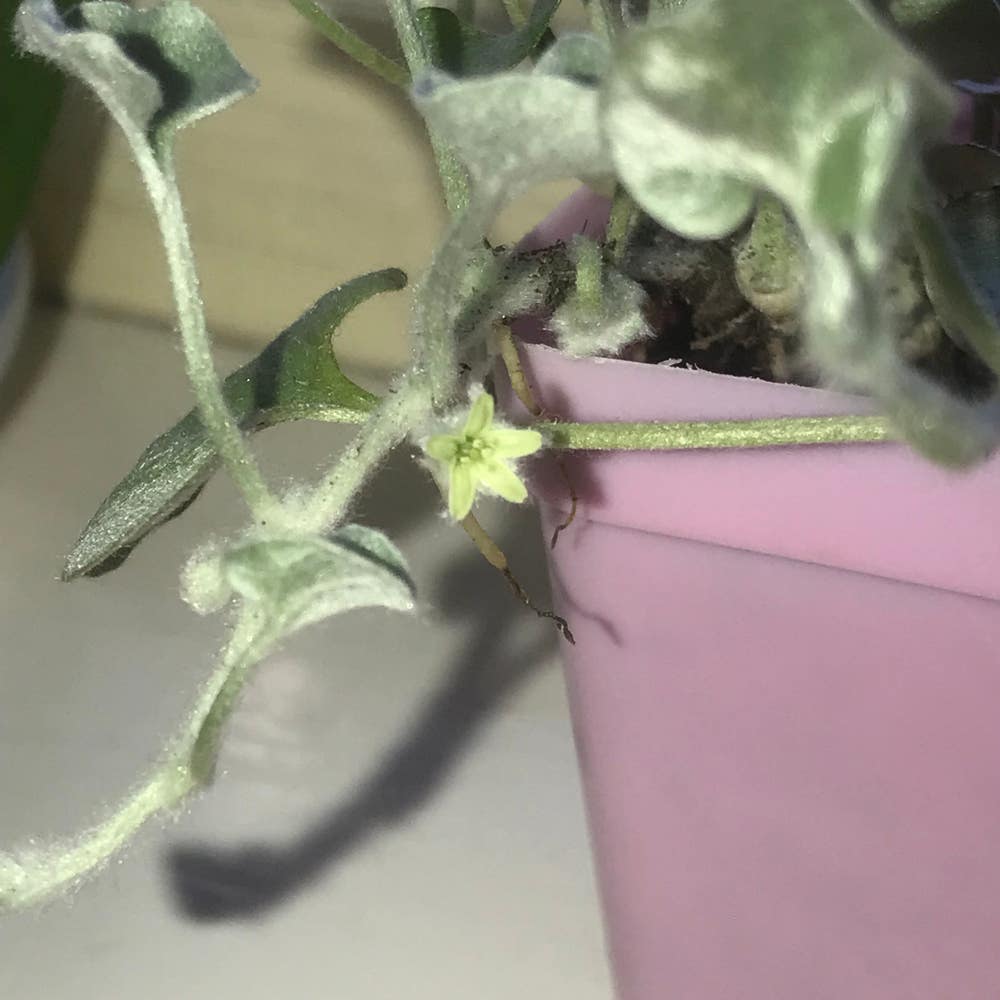
Best Fertilizer for Silver Button Plant
Dichondra argentea
By the Greg Editorial Team
Oct 19, 2024•5 min read
This article was created with the help of AI so we can cover more plants for you. May contain errors. See one? Report it here.
- 🌱 Fertilize monthly in spring and summer for optimal Silver Button Plant growth.
- 🌼 Adjust nitrogen and phosphorus levels based on growth stage for vibrant foliage and blooms.
- 📅 Monitor and modify fertilization practices to prevent over-fertilization and ensure plant health.
Fertilization Schedule
Best Times to Fertilize (Seasonal Considerations) 🌱
Timing is everything when it comes to fertilizing your Silver Button Plant.
- Spring: This is when growth kicks off, so start fertilizing to give your plant the boost it needs.
- Summer: As blooms begin to appear, a little extra nourishment can help enhance flowering.
- Fall: Prepare your plant for dormancy by tapering off fertilization.
- Winter: During this quiet period, minimal or no fertilization is recommended.
Frequency of Fertilization 📅
How often you fertilize can make a significant difference in your plant's health.
- Monthly: During the active growth phases of spring and summer, stick to a monthly schedule.
- Bi-monthly: In the transitional fall season, you can reduce this to every other month.
- Adjust as Needed: Always keep an eye on your plant's health and adjust the frequency based on its growth response.
Adjusting Schedule Based on Growth Stages 🌿
Different growth stages require different approaches to fertilization.
- Seedling Stage: Use light fertilization to avoid burning delicate roots.
- Vegetative Stage: Increase nitrogen levels to promote lush foliage.
- Blooming Stage: Switch to higher phosphorus to support vibrant flower development.
By following these guidelines, you can ensure your Silver Button Plant thrives throughout the year. Next, let’s dive into the best application techniques for getting that fertilizer into your plant effectively.
Application Techniques
How to Apply Liquid Fertilizer 🌊
Applying liquid fertilizer can be straightforward if you follow a few key steps. Start by mixing the fertilizer according to the recommended dilution ratios on the label.
For application, you can use a watering can for even distribution or a spray bottle for targeted areas. Timing is crucial; early morning or late afternoon is ideal for optimal absorption, as the temperatures are cooler and the sun isn’t as intense.
How to Apply Slow-Release Fertilizer ⏳
Slow-release fertilizers require a slightly different approach. A common recommendation is to apply about 1 tablespoon per gallon of soil, ensuring even coverage.
Incorporate the fertilizer by mixing it into the top layer of soil. This is best done before the growing season or during repotting to maximize its effectiveness.
Best Practices for Mixing Fertilizers 🧪
When mixing fertilizers, consider the benefits and drawbacks of combining organic and synthetic options. Organic fertilizers can improve soil health, while synthetic ones often provide immediate nutrient availability.
Always follow the manufacturer’s instructions to avoid over-fertilization. Additionally, testing your soil nutrients before mixing can help you tailor your approach, ensuring your Silver Button Plant gets exactly what it needs.
With these application techniques in mind, you’ll be well-equipped to nourish your plants effectively. Next, let’s explore the signs of over-fertilization and how to address them.
Signs of Over-Fertilization
Symptoms to Watch For 🌿
Over-fertilization can manifest in several ways. One of the most noticeable signs is leaf burn, where the tips and edges of leaves turn brown, indicating too many nutrients.
Another symptom is stunted growth. If your silver button plant isn't producing new leaves or blooms, it might be struggling with excess fertilizer.
Lastly, keep an eye out for yellowing leaves. This can signal nutrient lockout, where the plant can't absorb essential nutrients due to an overload of fertilizers.
How to Remedy Over-Fertilization 🛠️
If you suspect over-fertilization, act quickly. Start by flushing the soil with water to remove excess nutrients. This involves thoroughly watering the plant until water drains from the bottom of the pot.
Next, adjust your future fertilization practices. Consider reducing the frequency or concentration of fertilizer used.
Finally, monitor your plant's response after these changes. Look for signs of recovery, such as new growth or improved leaf color.
Importance of Flushing the Soil 🚰
Flushing the soil is crucial for maintaining a healthy plant. This process helps remove excess salts and nutrients that can build up over time.
It's recommended to flush your silver button plant's soil every 3-4 months. This proactive approach can prevent nutrient overload and promote better growth.
Watch for signs that flushing is needed, such as persistent yellowing leaves or stunted growth. Addressing these issues early can save your plant from further stress.
By staying vigilant and adjusting your care routine, you can ensure your silver button plant thrives. Next, let’s explore troubleshooting common fertilization issues to keep your plant healthy and vibrant.
Troubleshooting Fertilization Issues
Common Fertilization Mistakes 🌱
Fertilization can be tricky, and mistakes are common. Over-fertilizing is one of the biggest pitfalls, leading to signs like leaf burn and stunted growth.
Under-fertilizing can also cause problems, manifesting as yellowing leaves or slow growth. Ignoring seasonal changes is another mistake; adapting your fertilization schedule to the seasons is crucial for optimal plant health.
Adjusting Fertilizer Based on Plant Response 🔄
Observing your plant's growth patterns is key to successful fertilization. Look for signs like new leaf development or blooming to gauge if your current regimen is effective.
Modifying the N-P-K (Nitrogen, Phosphorus, Potassium) ratios based on your plant's needs can make a significant difference. Keeping a fertilization journal helps track changes and refine your approach over time.
When to Seek Professional Advice 🕵️♂️
Sometimes, despite your best efforts, issues persist. Indicators that you might need professional help include ongoing nutrient deficiencies or unexplained plant decline.
Resources like local horticulturists or extension services can provide valuable insights. Expert guidance can be a game-changer for tackling persistent fertilization issues, ensuring your silver button plant thrives.
⚠️ Safety First
This content is for general information and may contain errors, omissions, or outdated details. It is not medical, veterinary advice, or an endorsement of therapeutic claims.
Always consult a qualified healthcare professional before using any plant as food, medicine, or supplement.
Never eat any plant (or feed one to pets) without confirming its identity with at least two trusted sources.
If you suspect poisoning, call Poison Control (800) 222-1222, the Pet Poison Helpline (800) 213-6680, or your local emergency service immediately.
Spotted an error? Please report it here.
Nurture your Silver Button Plant with a tailored fertilization schedule for vibrant blooms 🌼, and let Greg provide you with personalized reminders and expert tips to ensure its success!