🌼 Step-by-Step Guide to Silver Button Plant Flowers
Dichondra argentea
By the Greg Editorial Team
Oct 19, 2024•5 min read
This article was created with the help of AI so we can cover more plants for you. May contain errors. See one? Report it here.
- 🌼 Silver Button Plants bloom delicately with white and pale yellow flowers, lasting 1-2 weeks.
- 🌞💧 Optimal light and watering are crucial for encouraging blooming in these resilient plants.
- 🌱 Self-pollinating nature enhances reproduction, thriving even in low-pollinator environments.
Flowering Status
Clarification on Flowering Status 🌸
The Silver Button Plant, known for its striking foliage, does indeed produce flowers, but they are not its main attraction. Many gardeners choose this plant primarily for its lush leaves, which can overshadow the flowering aspect.
Several factors can contribute to the plant's non-flowering status. Environmental conditions play a significant role; inadequate light or improper watering can hinder blooming. Additionally, some varieties may have a lower propensity to flower, making it essential to know which type you have.
Understanding these nuances can help you appreciate the Silver Button Plant beyond its blooms. Whether you’re drawn to its vibrant leaves or curious about its flowering potential, this plant offers a unique charm.
As we delve deeper, let’s explore what happens if your Silver Button Plant does flower.
If Silver Button Plant Flowers
🌼 Flower Characteristics
Description of Colors and Structure
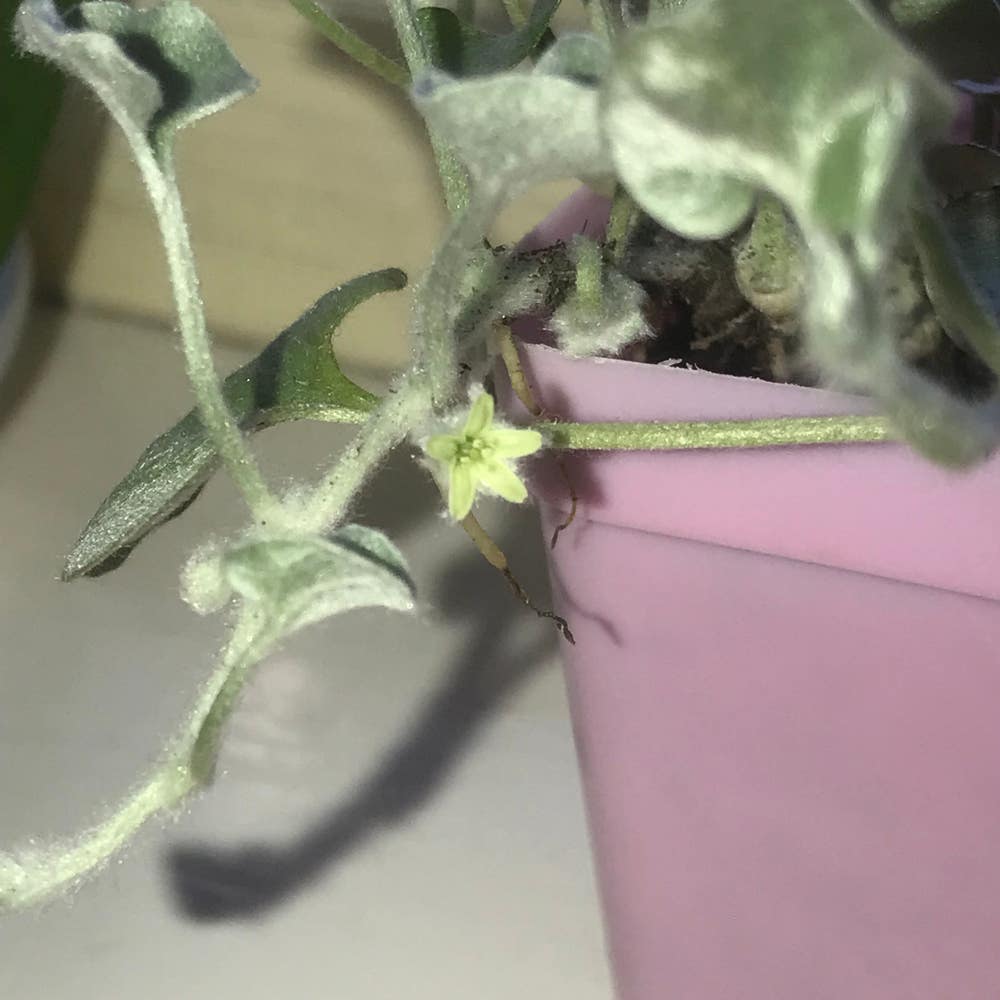
The Silver Button Plant produces delicate flowers that can vary in color, typically showcasing shades of white and pale yellow. These flowers are small, often arranged in clusters on slender flower spikes, creating a visually appealing display.
The size of the flowers is modest, usually measuring around 1 to 2 inches in diameter. Their shape is generally rounded, contributing to the plant's overall charm.
Self-Pollination vs. External Pollination
The Silver Button Plant is primarily self-pollinating, meaning it can produce seeds without needing pollen from another plant. This characteristic enhances its chances of successful reproduction, especially in environments where pollinators may be scarce.
However, while self-pollination is efficient, external pollination can lead to greater genetic diversity, which may improve the plant's resilience and flowering success.
🌸 Blooming Process
Stages of Blooming
The blooming process of the Silver Button Plant unfolds in several stages:
- Bud Formation: Initially, small buds appear, signaling the start of the blooming cycle.
- Opening of Flowers: As the buds mature, they begin to open, revealing the delicate petals.
- Full Bloom: Finally, the flowers reach their full glory, showcasing their colors and attracting attention.
Typical Bloom Time
Typically, the Silver Button Plant blooms during the warmer months, with peak flowering occurring in late spring to early summer. However, environmental conditions such as temperature and light can influence this timing, leading to variations.
Duration from Bud to Full Bloom
The journey from bud to full bloom generally takes about 2 to 4 weeks, depending on the plant's environment. Warmer temperatures and adequate sunlight can accelerate this process, while cooler conditions may prolong it.
Lifespan of Flowers
Once opened, the flowers of the Silver Button Plant usually last for about 1 to 2 weeks. During this time, they provide a burst of color before gradually fading.
🌱 Encouraging Blooms
Tips for Promoting Flowering
To encourage the Silver Button Plant to bloom, consider the following tips:
- Optimal Light Conditions: Ensure the plant receives plenty of bright, indirect sunlight.
- Watering and Fertilization Practices: Regular watering and a balanced fertilizer can promote healthy growth.
- Pruning Techniques: Pruning spent flowers can stimulate new growth and encourage further blooming.
Factors Influencing Blooms
Several factors can influence the flowering of the Silver Button Plant:
- Temperature and Humidity: Warmer temperatures and moderate humidity levels are ideal for blooming.
- Soil Quality and Nutrients: Well-draining soil rich in organic matter supports healthy flowering.
🌿 Post-Flowering
What Happens After Flowering
After flowering, the Silver Button Plant may exhibit changes in foliage, with leaves becoming more prominent as the plant shifts its energy. Some varieties may enter a dormancy period, conserving resources until the next growing season.
Does the Plant Die After Flowering?
No, the Silver Button Plant does not die after flowering. Unlike some plants that experience a "death bloom," this resilient species continues to thrive, often producing new growth in subsequent seasons.
This understanding of the blooming process not only enhances your gardening skills but also deepens your appreciation for the Silver Button Plant's lifecycle. Next, let's explore what happens if the Silver Button Plant doesn't flower.
If Silver Button Plant Doesn't Flower
🌿 Primary Ornamental Features
The Silver Button Plant is celebrated for its striking foliage. Its leaves boast a rich, vibrant green that can add a lush feel to any garden or indoor space.
In addition to its color, the plant has a unique growth habit. It tends to form dense clumps, making it an excellent choice for borders or as a ground cover in landscape designs.
🌱 Reproduction Methods Without Flowers
Even without flowers, the Silver Button Plant has clever ways to reproduce. One primary method is vegetative propagation, where new plants grow from existing roots or stems.
This plant can also utilize unique strategies, such as producing offsets or runners. These adaptations ensure its survival and spread, even in the absence of flowering.
In summary, while the Silver Button Plant may not dazzle with blooms, its foliage and reproductive resilience make it a valuable addition to any garden.
Next, let’s explore the unique aspects of this fascinating plant, including its unusual characteristics and interesting trivia.
Unique Aspects
Unusual Characteristics Related to Flowering or Non-Flowering 🌼
The Silver Button Plant is fascinating for its unique adaptations. Primarily, it thrives in environments where many other plants struggle, showcasing resilience through its robust foliage.
Variations among cultivars also add to its intrigue. Some may exhibit slightly different leaf shapes or colors, making them appealing for diverse landscaping needs.
Interesting Facts or Trivia About Reproductive Strategies 📚
Did you know the Silver Button Plant has a rich history? Traditionally, it has been used in various cultures for its ornamental value, often symbolizing endurance and beauty.
When compared to other plants in its family, the Silver Button stands out for its ability to thrive without relying heavily on flowers for reproduction. This adaptability makes it a remarkable specimen in the plant kingdom.
In summary, whether flowering or not, the Silver Button Plant offers a wealth of unique traits and historical significance that make it a captivating choice for gardeners and plant enthusiasts alike.
⚠️ Safety First
This content is for general information and may contain errors, omissions, or outdated details. It is not medical, veterinary advice, or an endorsement of therapeutic claims.
Always consult a qualified healthcare professional before using any plant as food, medicine, or supplement.
Never eat any plant (or feed one to pets) without confirming its identity with at least two trusted sources.
If you suspect poisoning, call Poison Control (800) 222-1222, the Pet Poison Helpline (800) 213-6680, or your local emergency service immediately.
Spotted an error? Please report it here.
Unlock the blooming potential 🌼 of your Silver Button Plant with Greg's tailored care tips, ensuring it thrives beautifully in your garden!