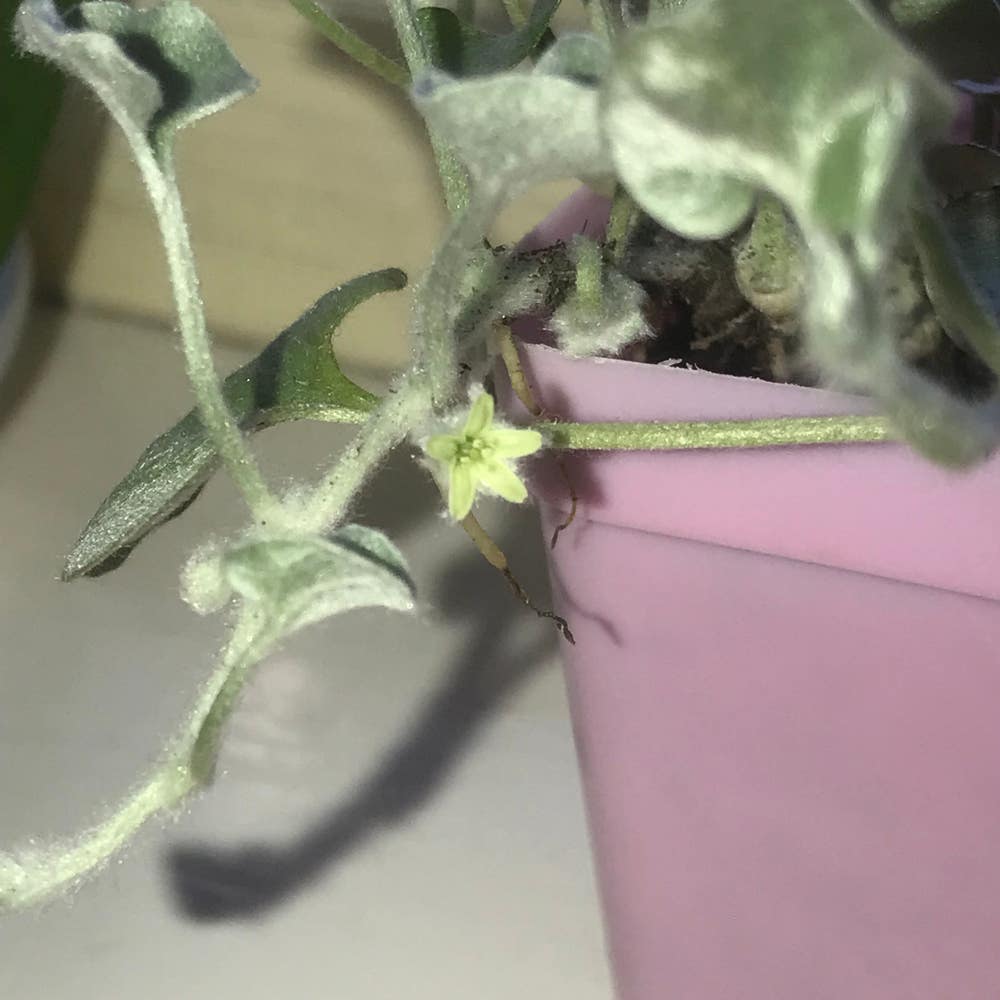
Managing Direct Sunlight for Your Silver Button Plant ☀️
Dichondra argentea
By the Greg Editorial Team
Oct 19, 2024•3 min read
This article was created with the help of AI so we can cover more plants for you. May contain errors. See one? Report it here.
- 🌞 Silver Button Plants thrive in bright, filtered light—mimic their tropical habitat!
- ❌ Avoid prolonged direct sunlight to prevent leaf burn and wilting.
- 🌱 Monitor for signs of stress—adjust light exposure for optimal growth.
Sunlight Needs of Silver Button Plant
🌞 Sunlight Requirements
The Silver Button Plant thrives in bright but filtered light, closely resembling its native tropical habitat. For optimal growth, ensure it receives bright light conditions, which are essential for its health.
☀️ Tolerance Levels for Direct Sunlight
While this plant can tolerate some direct sunlight, it’s important to avoid prolonged exposure. Its thick, succulent leaves are designed to store moisture, giving it a bit of resilience against harsher light.
🔍 Signs of Too Much or Too Little Sunlight
Too much sunlight can lead to leaf burn, discoloration, and wilting. Conversely, too little sunlight results in stunted growth, a leggy appearance, and pale leaves, signaling that your plant needs more light.
Understanding these sunlight needs is crucial for keeping your Silver Button Plant thriving. Next, we’ll explore how environmental factors, like window direction, can further influence its light exposure.
Environmental Factors
🌅 Role of Window Direction
The direction of your windows plays a crucial role in providing the right light for your Silver Button Plant.
- North-facing windows typically offer indirect light, making them suitable for this plant.
- South-facing windows receive the most direct sunlight, which may require some filtering to prevent damage.
- East-facing windows provide gentle morning sun, creating an ideal environment for healthy growth.
- West-facing windows can expose your plant to intense afternoon sun, so consider protective measures.
🌍 Impact of Hemisphere on Sunlight Exposure
Your geographical location significantly affects how sunlight interacts with your Silver Button Plant.
- In the Northern Hemisphere, the sun is lower during winter months, which can reduce light intensity.
- Conversely, the Southern Hemisphere experiences opposite seasonal effects, so be mindful of your local climate.
🌞 Seasonal Variations in Sunlight Intensity
Seasonal changes can impact your plant's health and light needs.
- During spring and summer, sunlight intensity increases, so keep an eye on your plant for any signs of stress.
- In fall and winter, sunlight diminishes, and you may need to adjust your plant's positioning to ensure it receives adequate light.
Understanding these environmental factors will help you create the perfect habitat for your Silver Button Plant, ensuring it thrives year-round. Next, let’s explore some common misconceptions about sunlight needs and tolerance for this beautiful plant.
Common Misconceptions
🌞 Myths About Silver Button Plant and Sunlight
One common myth is that the Silver Button Plant thrives in full, direct sunlight all day. In reality, while it can tolerate some direct sunlight, excessive exposure can lead to damage and stress.
💡 Clarifying the Difference Between Light Needs and Light Tolerance
Understanding the difference between light needs and light tolerance is crucial for your plant's health. Light needs refer to the ideal conditions for growth, which for the Silver Button Plant means bright, filtered light.
On the other hand, light tolerance describes the plant's ability to withstand less-than-ideal conditions, such as occasional direct sunlight. Recognizing this distinction helps you create the best environment for your plant to flourish.
By debunking these myths, you can better care for your Silver Button Plant and ensure it thrives in your home. Next, let’s explore the environmental factors that influence its sunlight exposure.
⚠️ Safety First
This content is for general information and may contain errors, omissions, or outdated details. It is not medical, veterinary advice, or an endorsement of therapeutic claims.
Always consult a qualified healthcare professional before using any plant as food, medicine, or supplement.
Never eat any plant (or feed one to pets) without confirming its identity with at least two trusted sources.
If you suspect poisoning, call Poison Control (800) 222-1222, the Pet Poison Helpline (800) 213-6680, or your local emergency service immediately.
Spotted an error? Please report it here.
Keep your Silver Button Plant thriving in the right light 🌞 by using Greg's tailored tips and reminders to manage its sunlight exposure effectively!