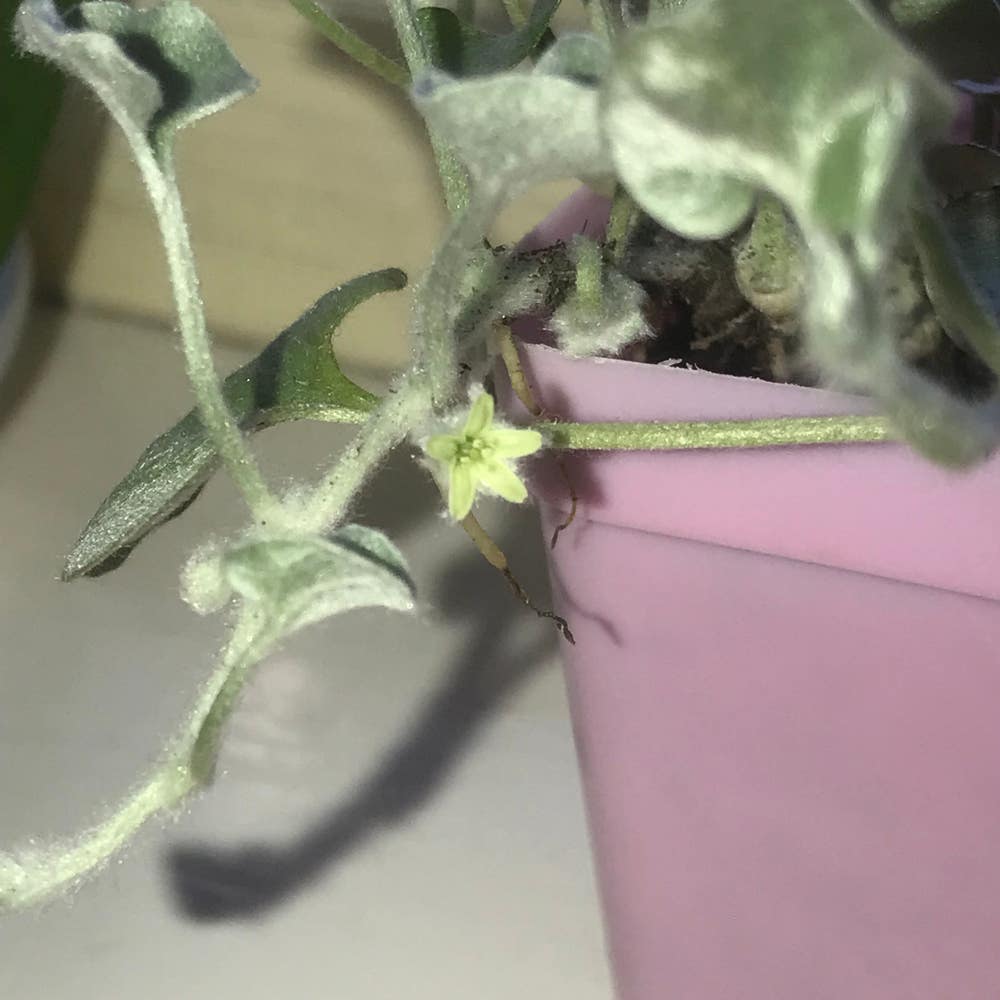
Silver Ponysfoot Root Rot Solutions
Dichondra argentea
By the Greg Editorial Team
Jun 18, 2024•5 min read
This article was created with the help of AI so we can cover more plants for you. May contain errors. See one? Report it here.
- Identify root rot early with yellow leaves, stunted growth, and soil odor.
- Prune and treat roots immediately to save Silver Ponysfoot from rot.
- Prevent with good practices: well-draining soil, proper watering, and fungicides.
Identifying Root Rot in Silver Ponysfoot
Spotting the signs of root rot in Silver Ponysfoot is critical. Look for leaves that are wilting, discolored, or dropping off prematurely. These above-ground clues hint at trouble beneath the soil.
🚨 Common Symptoms
- Yellowing leaves may signal distress.
- Stunted growth can indicate compromised roots.
- Foul odor from the soil is a telltale sign of decay.
🕵️♂️ Inspecting the Roots
Get your hands dirty. Gently remove the plant from its container to examine the root system. Healthy roots are typically white or light tan and should feel firm. Conversely, rotten roots are often brown, black, or mushy. If you're greeted with a spongy texture, it's time to take action.

Immediate Actions to Alleviate Root Rot
Root rot in Silver Ponysfoot doesn't have to be a death sentence. Act fast and follow these steps to give your plant a fighting chance.
✂️ Pruning Affected Roots
First, remove the plant from its pot and gently wash away the soil to expose the roots. Healthy roots look like fresh spaghetti, while rotten ones resemble a bad pasta dish gone wrong—mushy and dark. Snip the offensive roots with sterilized scissors, ensuring you're only leaving the good stuff behind. Match your root pruning with a haircut for the foliage to keep the plant balanced.
🧖 Treating Healthy Roots
After the bad roots are history, it's time for a spa treatment. Dip the remaining roots in a fungicidal solution to ward off any lingering evil spirits—fungus, that is. Think of it as an antiseptic rinse for plants.
🌱 Repotting with Care
Grab a clean pot—sanitized with a bleach solution if you're reusing—and fill it with fresh, sterile soil. Well-draining is the keyword here. Repot your Silver Ponysfoot, whisper some words of encouragement, and place it in a spot with good vibes and even better airflow.
Remember, overwatering is the root rot's best friend, so keep your watering can in check and let the soil dry out between waterings.

Cultural Practices to Prevent Root Rot
Adjusting watering frequency is crucial. Overwatering is like giving your plants a death hug; they can't breathe underwater. Check the soil moisture before watering—aim for damp, not drenched.
💧 Well-Draining Soil: The Non-Negotiable
Well-draining soil is your plant's best friend. It's the comfy mattress that ensures a good night's sleep, minus the wet feet. Use a mix that lets water run through like a sieve, but still holds enough moisture for the roots to party.
🌱 Pot Selection: Drainage or Bust
Choose pots with drainage holes that could rival Swiss cheese. If you're into decorative pots, fine, but treat them like a raincoat over a sweater—remove for watering, then put back.
🌡️ The pH Dance
Keep your soil's pH above 6.5. It's not just a number; it's a lifeline. Too acidic, and you're inviting trouble.
💦 The Watering Wisdom
Water only when the topsoil feels like a dry handshake—not too moist, not too parched. It's a delicate balance, like not double-texting on a first date.
🌿 The Big Picture
Ultimately, it's about knowing your plant like the back of your hand. Monitor its needs, adjust your care, and you'll have a thriving green buddy that doesn't drown in its own home.

Long-Term Prevention Strategies
Establishing a consistent watering schedule and using preventive fungicidal treatments are pivotal for keeping Silver Ponysfoot free from root rot.
💧 Consistent Watering Schedule
Watering discipline is crucial. Silver Ponysfoot doesn't appreciate a flood-and-drought approach. Instead, aim for a Goldilocks routine: not too much, not too little, just right. Use a moisture meter or the trusty finger test to ensure the top inch of soil is dry before watering again. Remember, the plant's needs change with the seasons, so adjust accordingly.
🛡️ Preventive Fungicidal Treatments
Fungicides are your garden's secret weapon, but don't go in guns blazing without reading the manual. Apply fungicides as a preventive measure, especially during the plant's high-risk periods, like the warm and wet seasons. Rotate fungicides to prevent any crafty fungi from building a resistance. And always, always follow the manufacturer's instructions—this isn't the time for improvisation.
🌍 Environmental Adjustments
Your Silver Ponysfoot's environment should be as stable as your favorite pub's barstool. Avoid drastic changes in lighting or temperature. If you're the type who forgets anniversaries, set reminders to check on your plant's environment regularly.
🌱 Soil and Drainage
Well-draining soil isn't just a preference; it's a necessity. Think of it as the plant's comfortable bed—too soggy, and it's a nightmare. Use pots with drainage holes and consider adding perlite or sand to the mix to improve aeration.
🧼 Sanitation
Keep it clean. Remove dead leaves and debris to prevent fungal parties. It's not just tidying up; it's a strategic move in the chess game against disease.
👀 Monitoring
Keep an eye out like a hawk. Regularly inspect your Silver Ponysfoot for early signs of distress. Catching root rot early can mean the difference between a quick fix and a plant funeral.
⚠️ Safety First
This content is for general information and may contain errors, omissions, or outdated details. It is not medical, veterinary advice, or an endorsement of therapeutic claims.
Always consult a qualified healthcare professional before using any plant as food, medicine, or supplement.
Never eat any plant (or feed one to pets) without confirming its identity with at least two trusted sources.
If you suspect poisoning, call Poison Control (800) 222-1222, the Pet Poison Helpline (800) 213-6680, or your local emergency service immediately.
Spotted an error? Please report it here.
Keep your Silver Ponysfoot root rot-free 🛡️ by leveraging Greg's tailored watering plans and soil monitoring for optimal plant health.