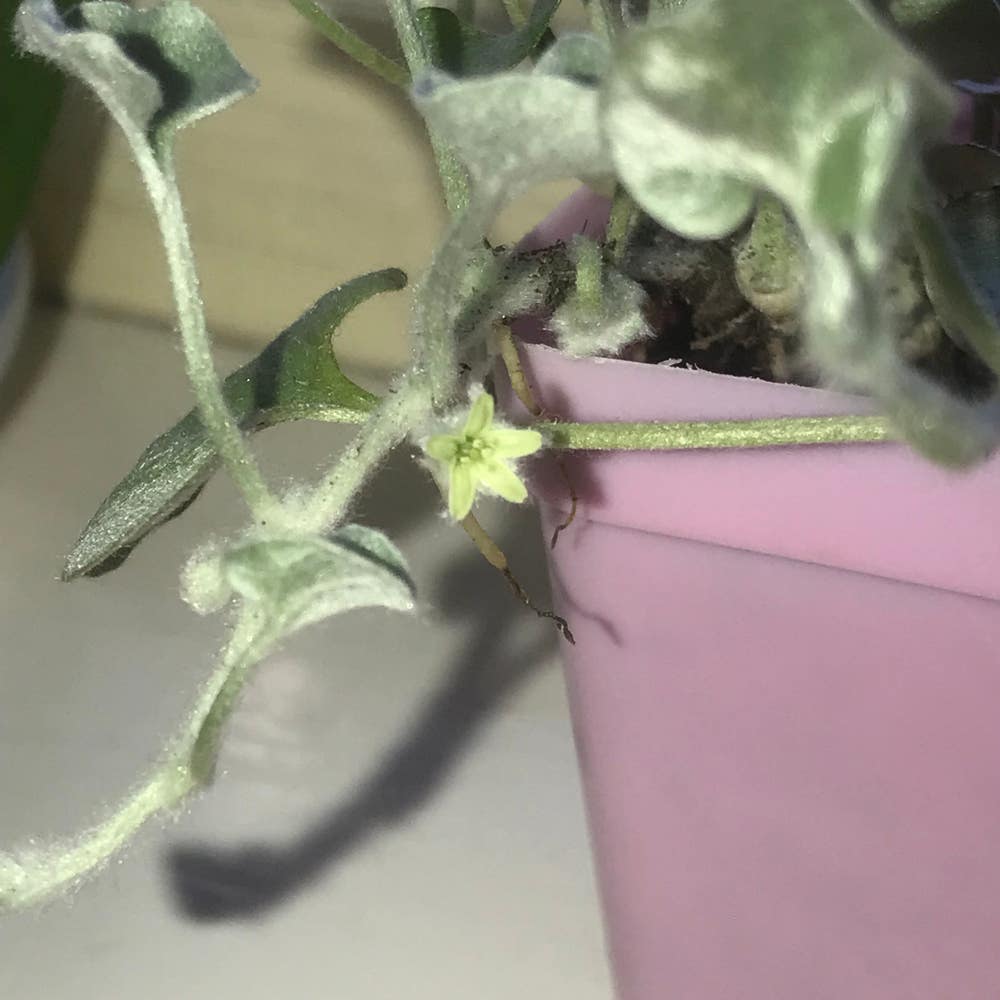
Should I Repot My Silver Ponysfoot And If So, How?
Dichondra argentea
By the Greg Editorial Team
Jun 18, 2024•6 min read
This article was created with the help of AI so we can cover more plants for you. May contain errors. See one? Report it here.
- Root crowding and slow drainage signal it's time to repot Silver Ponysfoot.
- 🌱 Repot in spring to early summer during the growth spurt for best results.
- Terracotta pots recommended for moisture management and breathability.
Recognizing When to Repot
Roots making a break for it outside the pot? That's your Silver Ponysfoot's version of a white flag. If you spot roots poking through the drainage holes or surfacing like a Loch Ness sighting, it's time to act.
🌱 Root Crowding: The Telltale Signs
Roots circling the soil's underworld or forming a tangled mass? This isn't a trendy hairdo; it's a cry for help. Your plant's roots are suffocating, and they need a new home, stat.
🚰 Slow Drainage: The Silent Killer
When water takes its sweet time to leave the pot, it's not just being thorough – it's likely slow drainage. This isn't a spa; your plant's roots aren't looking to soak. They need a quick exit for water, or they'll start rotting.
📉 The Growth Standstill
If your Silver Ponysfoot's growth has hit a plateau, it's not just being lazy. Stunted growth can signal that the roots have no room to stretch, like a cramped elevator on a Monday morning.
💧 The Dry Spell
Soil drying out faster than your phone on a 1% battery? It's a sign. Your plant's roots are hogging all the space, leaving little room for moisture. Time to upgrade their living quarters.
🏋️♂️ The Bulging Pot
If your pot's bulging like it's been hitting the gym too hard, those are roots pressing against their confines. They're not showing off; they're packed tighter than a subway at rush hour.
🌱 The Soil's SOS
Soil quality going downhill? If it's more broken down than a teenager's first car, it's not doing your plant any favors. Refresh the soil to give your Silver Ponysfoot the nutrients it's been missing.

Optimal Timing for Repotting Silver Ponysfoot
Timing is everything when it comes to repotting Silver Ponysfoot. The best period to repot is spring to early summer. This aligns with the plant's natural growth spurt, giving it the best chance to thrive post-transplant.
🌷 Why Spring?
In spring, the plant awakens from its winter rest. Warmer temperatures and longer days stimulate growth, making it the perfect time for your Silver Ponysfoot to settle into a new home.
❄️ Avoid Winter Repotting
Winter is a no-go. It's the plant's time to chill—literally. Repotting during this dormant phase can stress the plant, leading to poor recovery.
⛈️ Watch the Weather
If you're in a region with a late cold snap, hold off on repotting. Wait until consistent warm weather is a sure thing.
🌸 Post-Flowering Repotting
After Silver Ponysfoot blooms, it's another good time to repot. The plant's energy shifts from flowering to root development, making it ideal for transitioning to a new pot.
🌱 Signs It's Time
Aside from seasonal cues, look for root crowding or when the plant has doubled in size. These are clear indicators that your Silver Ponysfoot is ready for a change of scenery.

Step-by-Step Guide to Repotting
🌱 Preparing the New Pot and Soil Mixture
Choose a new pot that's a size up from your Silver Ponysfoot's current one—this isn't a one-size-fits-all game. Ensure it has drainage holes; nobody likes wet feet, not even plants.
Cover these holes with a coffee filter or mesh to keep the soil from escaping during your watering escapades. Mix a well-draining soil concoction, because soggy soil syndrome is a real party pooper for roots.
🌿 Transplanting the Plant
Water your plant a couple of days before the big move; think of it as a pre-game hydration session. When it's go-time, gently coax the plant out of its current pot—no yanking allowed.
Shake off the old soil like you're dusting off a bad day. If the roots are doing the tango, untangle them. They should be free to stretch out in their new home.
🌱 Post-Repotting Care
Now, the Silver Ponysfoot is in its new abode, water it thoroughly to settle the soil and give it a good start. It's like a welcome drink for your green friend.
Keep it in a spot with indirect sunlight; direct rays are a no-no while it's still settling in. And hold off on the fertilizer—give it about a month to embrace its new digs.
Remember, aftercare is where the magic happens, or doesn't. Keep an eye on your plant like it's the season finale of your favorite show. Water it a bit more often than usual, and watch it thrive.

Selecting the Ideal Pot Material
When it comes to Silver Ponysfoot, the pot material can be a game-changer. Let's break down the contenders: terracotta, ceramic, and plastic.
🏺 Terracotta
Terracotta is the old-school classic. It's porous, which means it's a champ at wicking away excess moisture—a plus for plants that hate soggy feet. But remember, it's heavy and can break into a million pieces if you're clumsy.
🍶 Ceramic
Ceramic pots are the fancy cousins of terracotta. They're often glazed, which reduces their breathability but ups their style game. They're still breakable, so don't juggle them unless you're in a circus.
🥤 Plastic
Plastic pots are the lightweight contenders. They're not just cheap; they're also resilient to your butterfingers. However, they hold moisture like a sponge, which can be a no-go for drought-loving plants.
The verdict? If Silver Ponysfoot could talk, it would probably ask for a terracotta pot. It strikes the right balance between moisture management and breathability. Just don't drop it.
Addressing Repotting Challenges
🌱 Root Damage Management
Roots are the lifeline of your Silver Ponysfoot. During repotting, handle with care to avoid breakage. If damage occurs, trim the affected roots with sterile scissors. This prevents decay from spreading and encourages new growth.
🌿 Minimizing Transplant Shock
Transplant shock can leave your plant looking wilted and stressed. To minimize this, repot during a dormant period, typically late winter or early spring for Silver Ponysfoot. Ensure the new soil is similar in composition to the old, to avoid shocking the root system.
🌼 Post-Repotting Care
After repotting, your plant's recovery is crucial. Water it sparingly to avoid root rot and place it in a location with consistent lighting conditions similar to its previous spot. Hold off on fertilizing for a few weeks to allow your Silver Ponysfoot to settle in.
Quick Tips
- Avoid repotting during blooming periods.
- Use a pot with adequate drainage to prevent waterlogging.
- Be gentle with the roots to prevent unnecessary damage.
- Maintain a stable environment post-repotting to aid recovery.
⚠️ Safety First
This content is for general information and may contain errors, omissions, or outdated details. It is not medical, veterinary advice, or an endorsement of therapeutic claims.
Always consult a qualified healthcare professional before using any plant as food, medicine, or supplement.
Never eat any plant (or feed one to pets) without confirming its identity with at least two trusted sources.
If you suspect poisoning, call Poison Control (800) 222-1222, the Pet Poison Helpline (800) 213-6680, or your local emergency service immediately.
Spotted an error? Please report it here.
Ensure your Silver Ponysfoot thrives in a new pot by letting Greg remind you 📅 when to repot and how to care for it post-transplant, making the process seamless and successful.