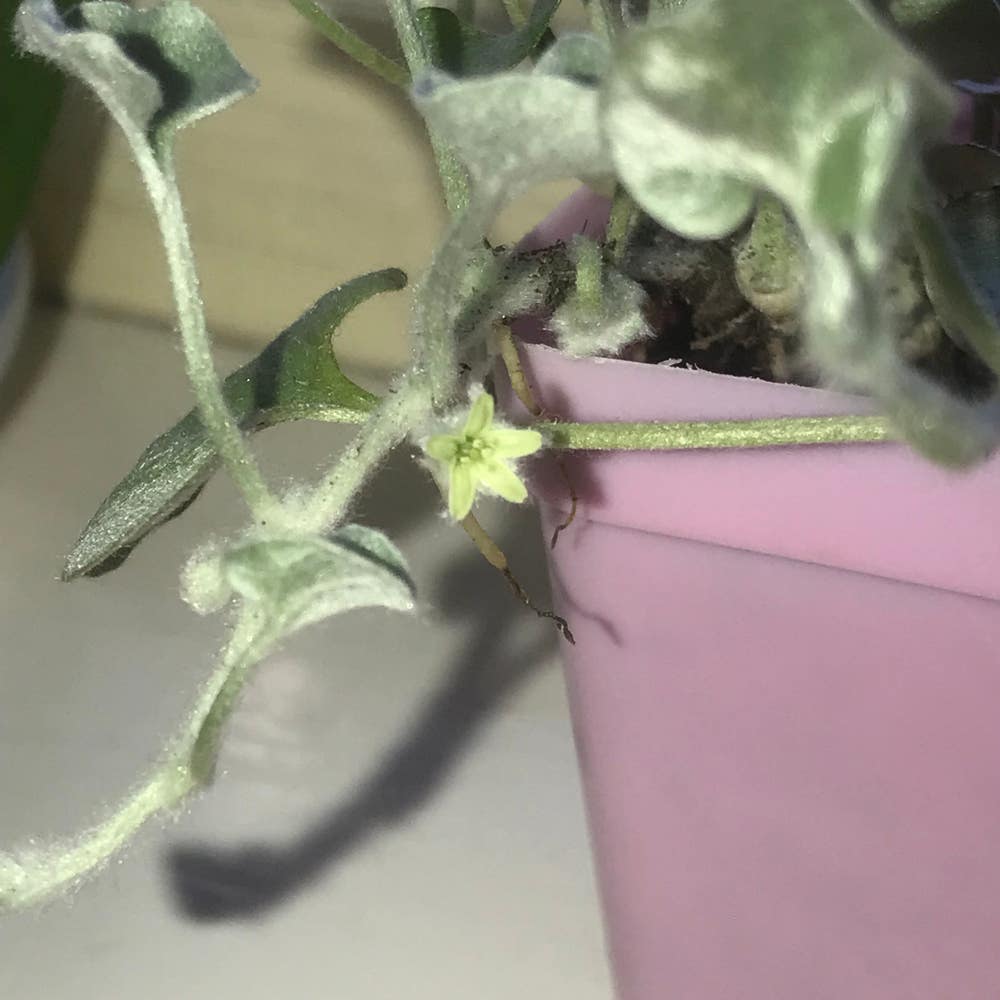
When and Where Should I Trim My Silver Ponysfoot?
Dichondra argentea
By the Greg Editorial Team
Jun 18, 2024•4 min read
This article was created with the help of AI so we can cover more plants for you. May contain errors. See one? Report it here.
- Prune in spring/early summer or post-flowering for optimal growth.
- Use sterilized, sharp tools to cut back damaged or diseased shoots.
- Shape for beauty, maintain compact form, and encourage healthy growth.
Optimal Timing and Techniques for Pruning
Pruning your Silver Ponysfoot isn't rocket science, but timing is key. Spring or summer is your sweet spot—when the plant is in active growth mode. Pruning in the dormant season is like asking for trouble; it's a no-go if you want your plant to bounce back with vigor.
🌱 When to Grab the Shears
- Spring to Early Summer: The plant is waking up and ready to grow.
- Post-Flowering: If it's done blooming, it's time for grooming.
🛠 Pruning Step-by-Step
Tools You'll Need
- Sterilize your tools. A bleach-water rinse keeps diseases at bay.
- Sharp scissors or pruning shears are your best friends.
The Plan of Attack
- Inspect: Look for leggy, damaged, or diseased shoots.
- Snip: Cut back to healthy growth, just above a leaf node.
- Shape: Aim for a natural look, not a botanical buzzcut.
- Clean Up: Remove all clippings to prevent rot and pests.
Remember, every snip should have a purpose. You're the director of this green show—cut with confidence and a clear vision. Pruning isn't just a chore; it's a strategic move to keep your Silver Ponysfoot looking sharp and growing strong.

Targeted Pruning Areas
🌱 Identifying Pruning Targets
Silver Ponysfoot thrives with regular grooming. Focus on overgrown areas to maintain a compact form. Look for long shoots that extend beyond the desired coverage area—these are your first targets.
🌿 Health and Compact Growth
Prune to encourage healthy growth. Remove any stems that are damaged or show signs of disease, such as discoloration or withering. This not only improves appearance but also prevents potential spread of disease.
🪓 Damaged or Diseased Sections
Immediate action is required when spotting damaged sections. Snip off the affected parts cleanly, using sterilized tools to prevent infection. Remember, it's like excising damaged tissue to promote healing.
✂️ Pruning for Plant Health
Keep an eye out for sunburned leaves. Removing these allows for new, unblemished growth. Similarly, clear out dead-looking sections to give way for fresh shoots, especially after harsh weather conditions.
🛠️ Pruning Tools
Use a sharp pair of scissors or pruning shears. Sterilize before and after use to avoid transferring pathogens. A clean cut aids in faster and healthier regrowth.
🌸 Seasonal Considerations
Although Silver Ponysfoot is resilient, seasonal timing matters. Prune during growth phases, typically in spring or early summer, to maximize the plant's recovery and lushness.

Enhancing Beauty Through Pruning
Pruning isn't just about plant health—it's an art form. Here's how to turn your Silver Ponysfoot into a living masterpiece.
🌳 Aesthetic Shaping
Pruning for beauty is like sculpting with living tissue. Shape your Silver Ponysfoot by selectively removing branches that disrupt its natural form. Aim for a shape that complements your garden's aesthetic while allowing the plant to grow robustly.
🖼 Creating Plant Borders
Borders define spaces in your garden, and a well-pruned Silver Ponysfoot can create crisp, clean lines. Trim the edges to encourage denser growth where you need it, and to prevent the plant from encroaching on other garden residents.
✂️ Strategic Cuts for Visual Appeal
Every snip should have a purpose. Remove overgrown sections to balance the plant's shape and direct growth where it's most visually appealing. Think of it as guiding your plant in putting its best leaf forward.
🛠 Pruning Tools and Techniques
Use the right tools for clean cuts—bypass pruners or shears are ideal. And remember, cut just above leaf nodes to encourage new growth in the right direction. It's not just about cutting back; it's about guiding future growth.
🌿 Regular Maintenance
Keep up with regular trims to maintain the desired form. It's easier to do a little at a time than to correct months of unruly growth. Plus, your Ponysfoot will look top-notch year-round.
👀 Observing and Adjusting
Step back often and observe. Your plant will tell you what it needs. If one side is lagging, give it a trim to encourage growth. If another is too dense, thin it out. It's a dance of give and take.
Remember, pruning is not just about the immediate result—it's about envisioning the future shape and health of your Silver Ponysfoot. With each cut, you're setting the stage for the next season of growth.

⚠️ Safety First
This content is for general information and may contain errors, omissions, or outdated details. It is not medical, veterinary advice, or an endorsement of therapeutic claims.
Always consult a qualified healthcare professional before using any plant as food, medicine, or supplement.
Never eat any plant (or feed one to pets) without confirming its identity with at least two trusted sources.
If you suspect poisoning, call Poison Control (800) 222-1222, the Pet Poison Helpline (800) 213-6680, or your local emergency service immediately.
Spotted an error? Please report it here.
Shape a stunning Silver Ponysfoot with precision 🌿 by following Greg's tailored pruning reminders, keeping your plant's growth vigorous and visually appealing.