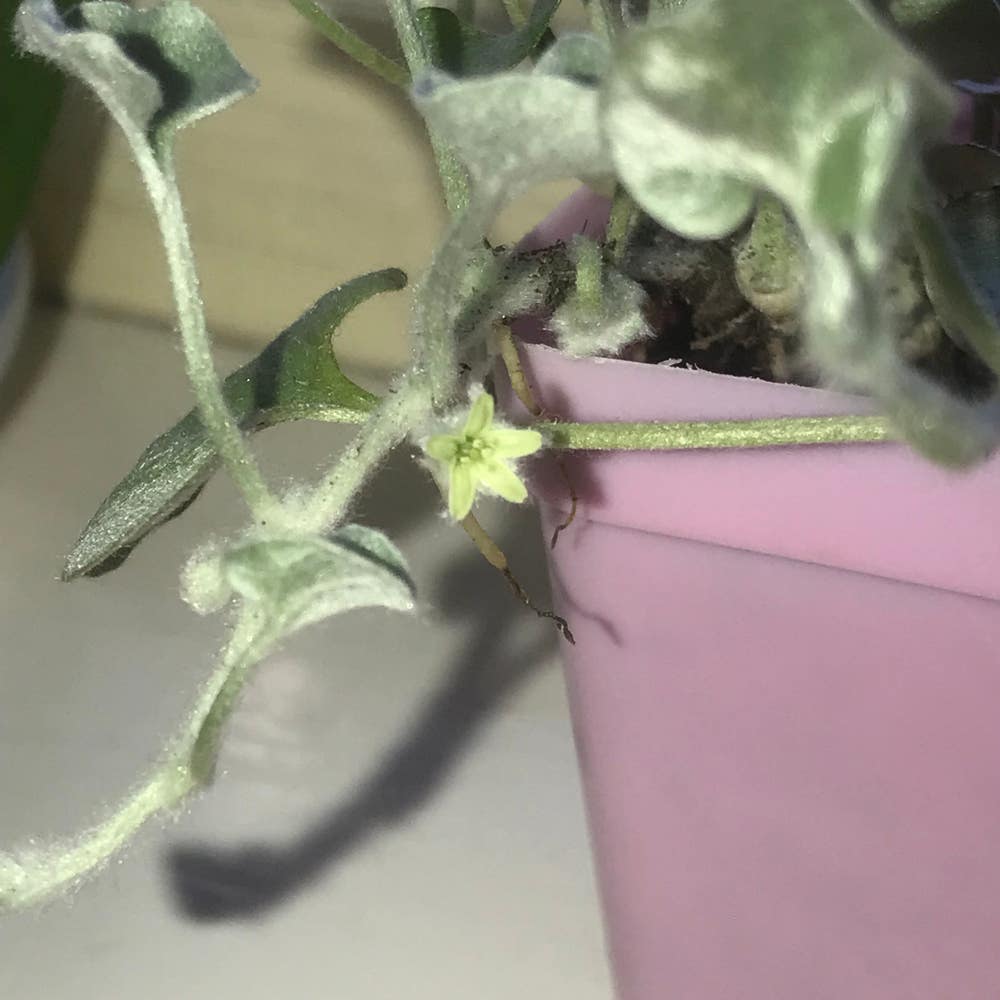
Fertilizing My Silver Ponysfoot
Dichondra argentea
By the Greg Editorial Team
Jun 18, 2024•6 min read
This article was created with the help of AI so we can cover more plants for you. May contain errors. See one? Report it here.
- NPK ratio is key for Silver Ponysfoot's blooming; phosphorus is a bloom booster.
- Organic vs. synthetic fertilizers: choose based on bloom support and soil health.
- Seasonal fertilization: more phosphorus in spring/summer, less in fall/winter.
Essential Nutrients for Silver Ponysfoot Blooming
In the quest for blooming success, the NPK ratio is your Silver Ponysfoot's best friend. Nitrogen (N) is the go-to for lush leaves, but when it's showtime for flowers, ease up—too much could turn your plant into a green giant with no blooms to boast.
💐 NPK: The Blooming Trio
Phosphorus (P) is the backstage hero, ensuring energy flows from roots to buds, essential for those eye-catching flowers. A higher middle number in your fertilizer, like 20-30-10, is the secret handshake that says, "Let's bloom."
Potassium (K) is the all-rounder, catalyzing over 60 enzymes, aiding in protein synthesis, and managing the stomata's open-close routine. It's like the plant's personal trainer, keeping everything in tip-top shape for blooming.
🌿 Micronutrients: The Supporting Cast
Beyond the NPK headliners, a crew of micronutrients plays vital roles. Iron for enzymes, manganese for photosynthesis, and zinc for protein synthesis are just a few of the backstage techs making sure the blooming show goes on without a hitch.
🌱 Ensuring Micronutrient Presence
To ensure these micronutrients are present, consider a balanced fertilizer with a comprehensive mix. Remember, your Silver Ponysfoot isn't a glutton—overfeeding leads to the botanical equivalent of a tummy ache. Keep it balanced, like a 10-10-10, or go for a bloom booster with less nitrogen and more potassium.
🚨 Real Talk: Overfeeding Woes
Watch for signs of over-fertilization, like salt buildup or root damage. It's the plant equivalent of a nutrient hangover. If your Silver Ponysfoot starts looking worse for wear, dial back on the fertilizer and give it some space to recover.
Remember, it's not just about feeding; it's about feeding smart. Your Silver Ponysfoot's blooming brilliance depends on it.

Choosing the Right Fertilizer for Blooming
Selecting the optimal fertilizer for Silver Ponysfoot isn't rocket science, but it does require a bit of know-how. The goal is to bolster those blooms, so you'll want a product with a higher phosphorus content. Remember, phosphorus is the middle number in the NPK ratio, and it's your bloom booster.
💡 Criteria for Fertilizer Selection
NPK Ratio: Look for a fertilizer with a higher 'P' value, like a 5-10-5, to encourage flowering. This isn't just plant voodoo; phosphorus is critical for bloom development.
Micronutrients: Don't skimp on the small stuff. Micronutrients like iron, magnesium, and calcium play supporting roles in flower showtime.
🍃 Organic vs. Synthetic Fertilizers
Organic Pros:
- They're gentle and won't burn your plants if you get a bit sprinkle-happy.
- They improve soil structure over time, leading to happier plant roots.
- They're eco-friendly, so you can sleep better at night knowing you're not harming the planet.
Organic Cons:
- They might be pricier than a night out.
- They work slower than a sloth on a lazy day, so patience is key.
Synthetic Pros:
- They're like a caffeine shot for your plants, providing quick nutrient access.
- Wallet-friendly, so you can save your pennies for that fancy garden gnome.
Synthetic Cons:
- Overuse can lead to the horticultural equivalent of a sugar crash—nutrient burn.
- They do zilch for soil health, so it's all about the short game.
In the end, whether you go organic or synthetic, it's about what works for your garden and your conscience. Just remember, less is more—over-fertilizing is the fast track to a plant ICU.

Seasonal Fertilization Strategies for Enhanced Blooming
In the spring and summer, Silver Ponysfoot enters its prime blooming period. This is when your fertilization game needs to be strong. Start by feeding your plant in early spring as it wakes from its winter slumber. A balanced fertilizer, with an emphasis on phosphorus, encourages those blooms to pop. Halfway through the growing season, it's time for a second round. This isn't just about growth; it's about giving your plant the nutrients it needs to flower like a champion.
🌸 Spring and Summer Fertilization
- Early Spring: Kickstart the season with a balanced fertilizer.
- Mid-Growing Season: Apply a second dose to support continued blooming.
Come fall, it's time to switch gears. Your plant is preparing to hunker down for winter, so ease up on the fertilizer. Think of it as prepping your plant for a restful hibernation. In winter, fertilization should be minimal to non-existent. It's the plant's time to chill, and too much nutrient can disrupt its natural cycle.
🍂 Fall and Winter Fertilization
- Fall: Reduce fertilization to prepare the plant for dormancy.
- Winter: Hold off on fertilizing; it's time for the plant to rest.
Remember, over-fertilization is the fast track to a sad, bloom-less plant. Watch for signs like salt buildup or leaf burn and act accordingly. If you've gone overboard, flush the soil with water to dilute the excess fertilizer. Keep it balanced, and your Silver Ponysfoot will thank you with blooms that turn heads.

Fertilization Techniques for Healthy Blooms
Best practices for applying fertilizer are crucial for the blooming of Silver Ponysfoot. Begin with a balanced liquid fertilizer diluted to half strength, applied once a month during the growing season. This supports the plant's increased energy demands without overwhelming it.
⏰ When to Fertilize
Apply fertilizer when you notice new leaves, signaling active growth. Avoid the temptation to over-fertilize; more isn't always better.
🌱 Application Methods
Follow the manufacturer's instructions on the fertilizer packaging to the letter. This ensures you're providing the correct amount without risking nutrient burn.
🌿 Organic vs. Synthetic
Organic fertilizers release nutrients slowly, reducing the risk of over-fertilization. They also improve soil health and are less likely to harm beneficial insects.
🍃 Foliar Feeding
If your plant shows signs of chlorosis, consider a foliar fertilizer to address potential iron deficiencies. However, this should be a complement to, not a replacement for, soil fertilization.
🚨 Over-Fertilization Signs
Be on the lookout for a fertilizer crust on the soil surface, yellowing or browning leaves, and wilting despite moist soil. These are telltale signs that you've gone too far.
🚿 Mitigating Over-Fertilization
If you've overdone it, water thoroughly to help flush out excess nutrients. In severe cases, repotting in fresh soil might be necessary. Always test your soil before applying more fertilizer to avoid repeating the mistake.
Remember, fertilizing is like a pep talk for your plants—encouraging but not overwhelming. Keep it balanced, and your Silver Ponysfoot's blooms will thank you.
⚠️ Safety First
This content is for general information and may contain errors, omissions, or outdated details. It is not medical, veterinary advice, or an endorsement of therapeutic claims.
Always consult a qualified healthcare professional before using any plant as food, medicine, or supplement.
Never eat any plant (or feed one to pets) without confirming its identity with at least two trusted sources.
If you suspect poisoning, call Poison Control (800) 222-1222, the Pet Poison Helpline (800) 213-6680, or your local emergency service immediately.
Spotted an error? Please report it here.
Nurture your Silver Ponysfoot to flourish 🌼 with Greg's personalized reminders for the perfect fertilization balance, ensuring lush leaves and vibrant blooms without the risk of over-fertilization.