My Silver Ponysfoot's Sunlight Needs
Dichondra argentea
By the Greg Editorial Team
Jun 18, 2024•5 min read
This article was created with the help of AI so we can cover more plants for you. May contain errors. See one? Report it here.
- Goldilocks zone of sunlight is ideal for outdoor Silver Ponysfoot.
- Bright, indirect light indoors; rotate near south-facing window.
- 🌱 Grow lights aid growth and can encourage flowering indoors.
Optimal Outdoor Light Conditions for Silver Ponysfoot
Silver Ponysfoot thrives in a Goldilocks zone of sunlight when grown outdoors. Too much direct sun can lead to leaf scorch, while too little can cause leggy growth and diminished vigor.
🌞 Finding the Sweet Spot
Bright, indirect light is the key to success. This can often be achieved in areas that receive morning sunlight and afternoon shade, or dappled light throughout the day.
🕵️ Monitoring and Adjusting
Keep a watchful eye on your Silver Ponysfoot's response to outdoor light. Signs of distress, such as yellowing or crispy leaves, indicate that adjustments are needed. Gradual shifts in plant position can help avoid shock and find the perfect exposure.
📅 Seasonal Considerations
Be mindful of the changing angle of the sun with the seasons. What is a perfect spot in summer may be too shaded in winter. Adjust the plant's location as needed to maintain the ideal light balance year-round.

Managing Indoor Light for Silver Ponysfoot
Silver Ponysfoot thrives in bright light. Indoors, this means positioning it close to a window, but not just any window. Aim for one that ushers in plenty of sunshine without turning your plant into a crispy critter.
💡 Ideal Indoor Lighting Conditions
Direct sunlight? Not quite the friend of Silver Ponysfoot. It's like that guest at a party who doesn't know when to leave. Instead, opt for a spot that basks in bright, indirect light. Think of it as the plant's happy place, where it can soak up the rays without the risk of sunburn.
🌿 Positioning Tips for Adequate Light
Got a south-facing window? Jackpot. Place your Silver Ponysfoot less than a foot away to hit the light jackpot. But here's the kicker: rotate the pot regularly. Why? To avoid the dreaded lopsided plant syndrome. It's not just about aesthetics; it's about even growth and health.
🌟 Light Quality Matters
Quality light is like a secret sauce for plant growth. If your indoor space is more dungeon than sunroom, consider a grow light. A simple LED light can be a game-changer, especially during those dreary winter months. Just remember, distance is key—keep it about 6 inches from the foliage to mimic that sweet spot of natural light.
Remember, Silver Ponysfoot doesn't need to live in a sunbaked desert, but it does crave that golden glow. Keep these tips in mind, and you'll have a plant that's not just surviving, but thriving.

The Role of Grow Lights in Cultivating Silver Ponysfoot Indoors
💡 When to Use Grow Lights
Grow lights step in when sunlight checks out. If your Silver Ponysfoot isn't basking in enough natural light, especially during those gloomy winter months, it's time to talk artificial sunshine. Think of grow lights as a sun substitute, keeping your plant's photosynthesis in check and preventing it from becoming the botanical equivalent of a couch potato.
💡 Why Grow Lights Matter
Without sufficient light, Silver Ponysfoot might as well be trying to grow in a cave. Leggy stems and faded leaves are cries for help—signs it's time to illuminate their world. Grow lights can be the difference between a thriving plant and one that's just surviving.
💡 Choosing the Right Grow Lights
LEDs are the rock stars of the grow light world—energy-efficient, long-lasting, and gentle on your electric bill. They emit a full spectrum of light, mimicking the sun's natural rays, making them perfect for your indoor Silver Ponysfoot. When shopping, aim for lights that make your plant look like it's on a sunny beach instead of under an interrogation lamp.
💡 Positioning Grow Lights
It's not just about having the lights; it's where you put them that counts. Keep them close, but not too close—about 12 inches above your Silver Ponysfoot should do the trick. This isn't a tanning bed session; it's more like a sunny day in the park. Adjust the distance as your plant grows, but watch out for signs of sunburn (yes, plants get that too).
💡 Light Duration
Timing is everything. Your Silver Ponysfoot doesn't need a 24/7 light show. 12 to 14 hours should suffice, simulating the natural day cycle. Use a timer if you're prone to forgetting; plants appreciate punctuality.
💡 Final Tips
Remember, grow lights are a supplement, not a replacement for care. Continue to water and feed your Silver Ponysfoot as usual. And don't be afraid to experiment with light intensity and duration. Your plant will let you know what it likes—just keep an eye out for those telltale signs of contentment or distress.

Brief Note on Light and Flowering
💡 Understanding Silver Ponysfoot Flowering
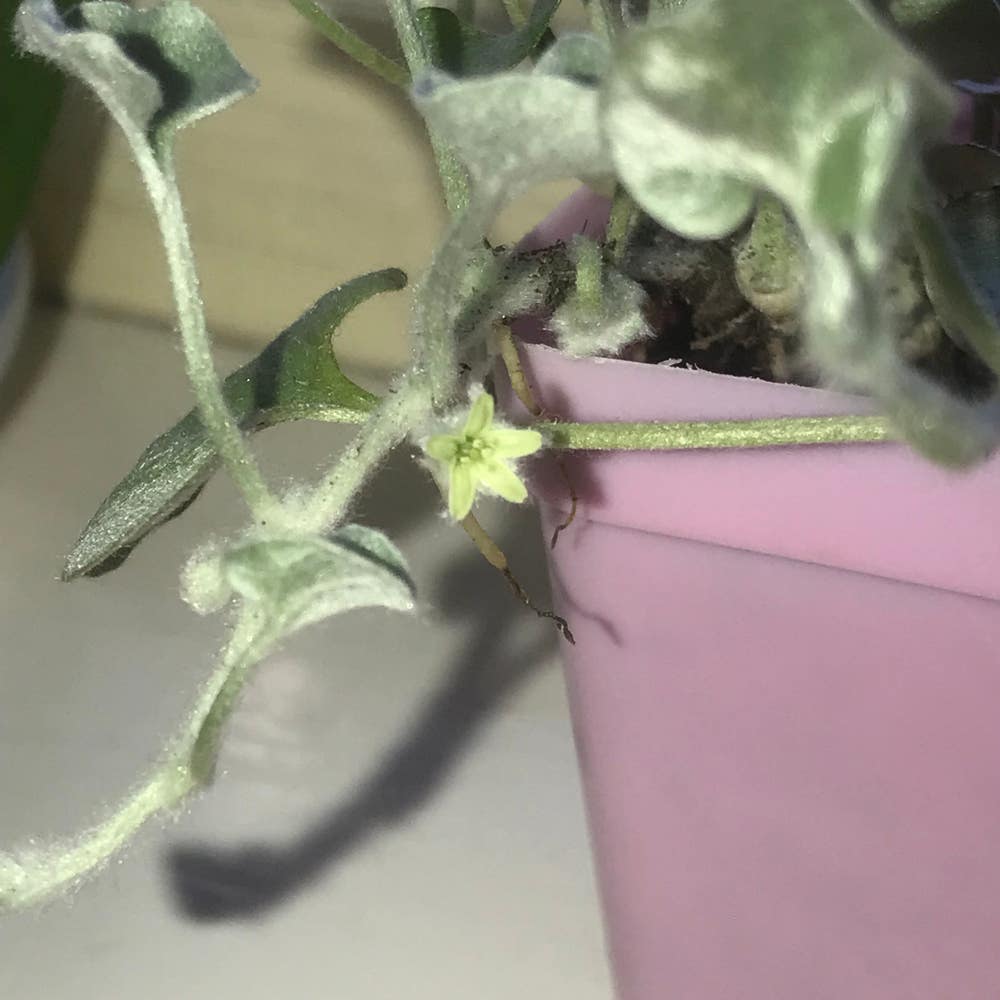
Silver Ponysfoot, while primarily known for its silvery foliage, may occasionally grace us with flowers. However, it's not the plant you'd bet on in the flowering department.
🌞 Light: The Flowering Conductor
Light is the maestro here, and Silver Ponysfoot is no exception. It might not be a prolific bloomer, but with adequate sunlight, you might just witness its modest flowering display.
🌅 Photoperiod: The Flowering Rhythm
Photoperiod, the duration of light exposure, can be a game-changer. Silver Ponysfoot doesn't seem to be a diva about it, but like many plants, it could respond to longer days with a floral number.
🎤 Real Talk on Expectations
Let's keep it real—Silver Ponysfoot is more about the foliage than the flowers. If you're in it for the blooms, you might want to adjust expectations or consider a different plant.
💡 The Indoor Flowering Challenge
Indoors, you're less likely to see flowers. If you're dead set on it, though, grow lights could be your best bet to encourage Silver Ponysfoot to show its hidden floral talent.
⚠️ Safety First
This content is for general information and may contain errors, omissions, or outdated details. It is not medical, veterinary advice, or an endorsement of therapeutic claims.
Always consult a qualified healthcare professional before using any plant as food, medicine, or supplement.
Never eat any plant (or feed one to pets) without confirming its identity with at least two trusted sources.
If you suspect poisoning, call Poison Control (800) 222-1222, the Pet Poison Helpline (800) 213-6680, or your local emergency service immediately.
Spotted an error? Please report it here.
Nurture your Silver Ponysfoot to its silvery best by finding its ideal light, and let Greg illuminate 🌟 your plant care with tailored reminders and spot-on sunlight tips.