9 Key Winter Strategies for Sedum clavatum ❄️
Sedum clavatum
By the Greg Editorial Team
Jan 07, 2025•5 min read
This article was created with the help of AI so we can cover more plants for you. May contain errors. See one? Report it here.
Ensure your Sedum clavatum thrives through winter ❄️ with these essential care tips for a vibrant spring! 🌱
- ❄️ Protect Sedum clavatum from frost using cloths or burlap for winter survival.
- 🌱 Water every 3-4 weeks in winter to prevent root rot and maintain health.
- 🌞 Position near south-facing windows indoors for optimal light during dormancy.
Winter Care Strategies
❄️ Frost protection techniques
Protecting your Sedum clavatum from frost is essential for its survival. Use frost cloths or burlap to cover your plants, creating a barrier against the cold.
Mulching is another effective method. Apply a layer of organic mulch around the base to insulate the roots and retain warmth.
Consider the location of your plants as well. Moving pots to sheltered areas or closer to walls can provide added warmth during chilly nights.
💧 Adjusting watering schedules during winter
During winter, it's crucial to adjust your watering schedule. Reduce watering to once every 3-4 weeks to prevent root rot, which can be detrimental to your plant's health.
Be vigilant for signs of overwatering, such as yellowing leaves, mushy stems, and a foul odor from the soil. When you do water, ensure the soil dries out completely between waterings to maintain a healthy balance.
🌱 Fertilizing considerations for winter
Generally, it's best to avoid fertilizing your Sedum clavatum during its dormant period. However, if you notice signs of growth, you can use a diluted, balanced fertilizer.
Timing is key; only fertilize when temperatures consistently rise above 50°F (10°C). This ensures your plant receives the nutrients it needs without the risk of over-stimulation during dormancy.
With these winter care strategies, your Sedum clavatum will be well-equipped to thrive until spring. Next, we’ll explore how to care for your plants indoors during the colder months.
Indoor Winter Care
Best practices for bringing indoors 🌱
Timing is crucial when transitioning your Sedum clavatum indoors. Aim to bring your plants inside before the first frost hits to prevent any cold damage.
Container considerations are equally important. Ensure your pots have drainage holes to avoid water accumulation, which can lead to root rot.
Light and temperature requirements indoors ☀️
Your Sedum craves bright, indirect sunlight. Position them near south-facing windows for optimal light exposure.
Maintaining the right temperature is vital. Keep your indoor environment between 60°F to 70°F (15°C to 21°C) for healthy growth.
Humidity levels also play a role in your plant's well-being. Keep humidity low to prevent rot, and avoid placing your Sedum near heating vents, which can dry out the air.
Transitioning your Sedum indoors with these best practices will set the stage for a healthy winter. Next, let’s explore how to prepare for spring growth as the seasons change.
Spring Preparation
🌱 Signs of recovery from winter damage
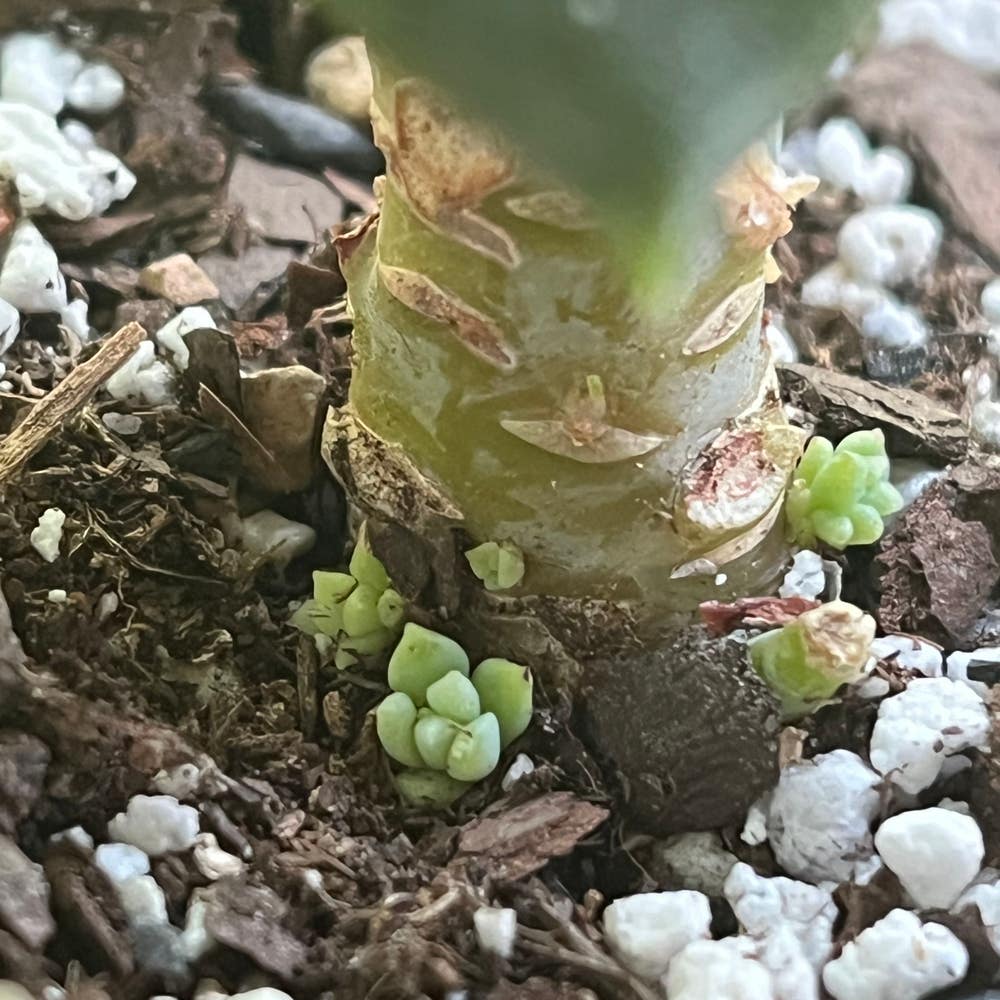
As winter fades, keep an eye out for signs of life in your Sedum clavatum. Fresh leaves or stems emerging from the base indicate that your plant is bouncing back.
Additionally, assess the overall health of your plant. Firmness in leaves and stems is a good sign that your Sedum is ready to thrive again.
🌼 Preparing for spring growth
To help your Sedum transition back to outdoor life, gradually reintroduce it to the elements. Acclimate your plant over 1-2 weeks to avoid shocking it with sudden temperature changes.
Pruning is also essential during this time. Use clean, sharp scissors to remove any dead or damaged parts, promoting healthy growth for the season ahead.
Finally, resume your regular watering and fertilizing schedules. Transitioning back to normal care routines will ensure your Sedum clavatum flourishes as spring unfolds.
With these steps, your Sedum will be well-prepared to embrace the warmer months. Next, let’s explore common winter problems and their solutions to keep your plants healthy year-round.
Common Winter Problems and Solutions
❄️ Identifying Frost Damage
Frost can wreak havoc on your Sedum clavatum, leaving telltale signs of distress. Look for blackened or mushy leaves and wilting stems, which indicate that your plant has suffered from the cold.
It's crucial to assess your plants after frost events or prolonged cold spells. Early detection can help you take action before the damage becomes irreversible.
💧 Solutions for Overwatering During Dormancy
Overwatering is a common issue during winter dormancy, but it can be managed with a few adjustments. Implement a stricter watering schedule based on the moisture level of the soil to avoid drowning your plants.
If you suspect root rot, consider repotting your Sedum clavatum into fresh, well-draining soil. This will give your plant a fighting chance to recover and thrive once spring arrives.
By staying vigilant and proactive, you can ensure your Sedum clavatum remains healthy throughout the winter months. Next, let’s explore how to prepare your plants for the upcoming spring growth.
Cold Hardiness
🌡️ Understanding cold hardiness zones
Sedum clavatum thrives in USDA hardiness zones 9-11, showcasing its resilience in warmer climates. However, it can tolerate some colder areas, making it a versatile choice for various gardens.
Factors such as soil drainage, microclimates, and exposure play a significant role in determining how well your sedum will fare in winter. Understanding these elements can help you create the best environment for your plants.
❄️ Tips for growing in colder climates
When planting in colder climates, selecting the right location is crucial. Opt for south-facing slopes or sheltered areas to maximize sunlight and protection from harsh winds.
Utilizing protective measures like row covers or cloches can provide an extra layer of defense during extreme cold spells. These simple tools can make a significant difference in your plant's survival.
Lastly, monitoring weather conditions is essential. Stay informed about temperature drops and frost warnings to take timely action and safeguard your sedum clavatum from unexpected cold snaps.
With these strategies, you can ensure your sedum not only survives but thrives through the winter months.
⚠️ Safety First
This content is for general information and may contain errors, omissions, or outdated details. It is not medical, veterinary advice, or an endorsement of therapeutic claims.
Always consult a qualified healthcare professional before using any plant as food, medicine, or supplement.
Never eat any plant (or feed one to pets) without confirming its identity with at least two trusted sources.
If you suspect poisoning, call Poison Control (800) 222-1222, the Pet Poison Helpline (800) 213-6680, or your local emergency service immediately.
Spotted an error? Please report it here.
Keep your Sedum clavatum thriving this winter ❄️ with Greg's tailored reminders and expert tips that ensure your plant stays healthy and happy all season long!