10 Steps to a Healthy Outdoor Sedum clavatum ☀️
Sedum clavatum
By the Greg Editorial Team
Jan 07, 2025•7 min read
This article was created with the help of AI so we can cover more plants for you. May contain errors. See one? Report it here.
Unlock a thriving garden with Sedum clavatum by mastering sunlight, watering, and soil care! 🌱🌞
- 🌞 Sedum clavatum needs 6-8 hours of sunlight daily for optimal growth.
- 🌱 Well-draining soil and seasonal watering are crucial to prevent root rot.
- 🐛 Regular inspections for pests like aphids ensure healthy Sedum clavatum plants.
Sunlight Requirements
Optimal Sunlight Exposure 🌞
Sedum clavatum thrives in full sun to partial shade, requiring 6-8 hours of direct sunlight daily. Insufficient sunlight can lead to stretched growth and reduced flowering, which can be disappointing for any gardener.
Adjusting Light Conditions 🌅
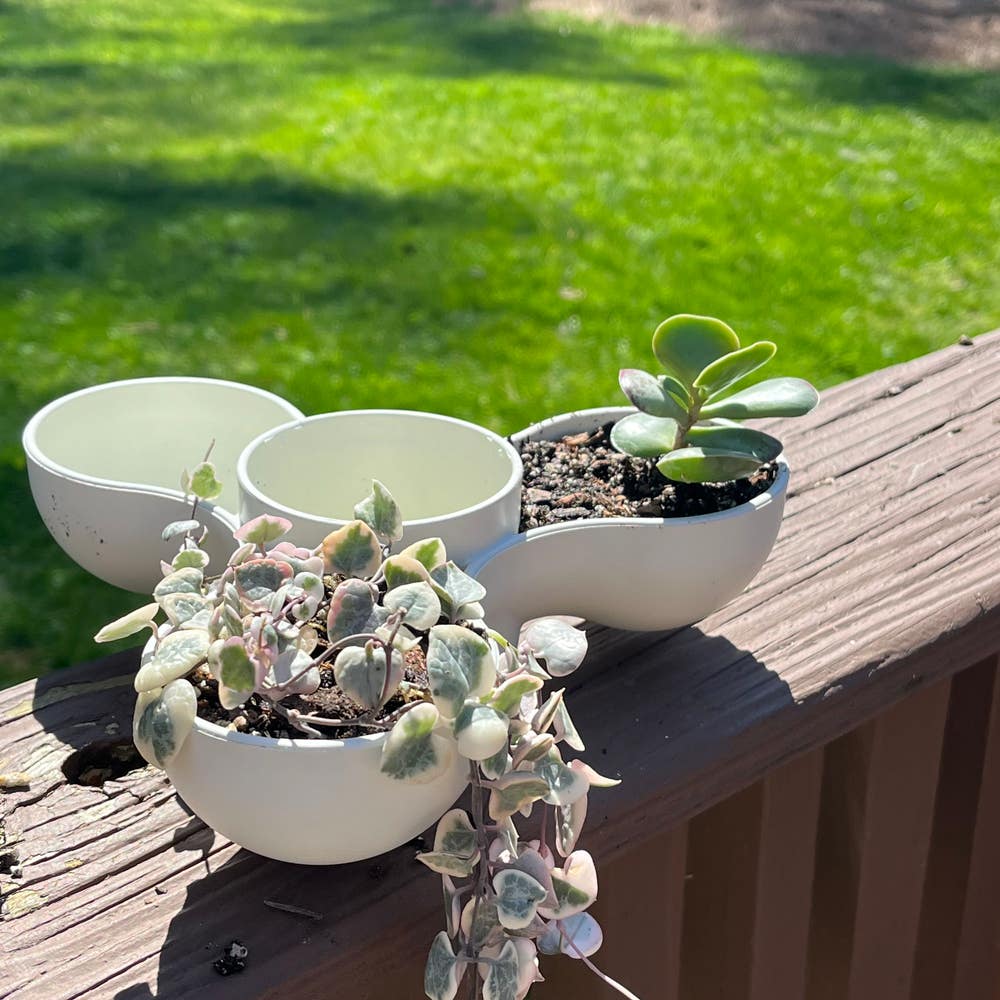
For container planting, you can easily move pots to adjust their light exposure as needed. If you’re planting in the ground, aim for locations that receive morning sun and afternoon shade, especially in hotter climates, to protect your sedum from harsh midday rays.
Watering Needs and Frequency
🌊 General Watering Guidelines
Watering your Sedum clavatum is crucial for its health. Always allow the soil to dry out completely between waterings to prevent root rot.
Be on the lookout for signs of overwatering. Yellowing leaves and mushy stems are clear indicators that your plant is getting too much moisture.
🌱 Seasonal Watering Adjustments
As the seasons change, so should your watering routine. During spring and summer, when the plant is actively growing, increase your watering frequency to every 1-2 weeks.
In contrast, as fall and winter approach, reduce your watering to about once a month. This adjustment helps your Sedum enter dormancy without stress.
With these watering tips, your Sedum clavatum will thrive, setting the stage for the next section on soil preferences and amendments.
Soil Preferences and Amendments
🌱 Ideal Soil Composition
For Sedum clavatum, the right soil is crucial. A well-draining mix, ideally sandy or rocky, allows excess water to escape, preventing root rot.
Soil pH is also important; aim for a slightly acidic to neutral range of 6.0 to 7.0. This balance supports healthy growth and vibrant blooms.
🧪 Soil Amendments for Optimal Growth
To enhance drainage, consider adding perlite or coarse sand to your soil mix. These amendments create air pockets, ensuring roots stay healthy and hydrated without becoming waterlogged.
If you're planting in containers, using a cactus or succulent potting mix is a smart choice. These specialized mixes are designed to provide the perfect environment for your Sedum, promoting robust growth and resilience.
With the right soil and amendments, your Sedum clavatum will thrive, setting the stage for vibrant outdoor displays. Next, let’s explore the various planting options to maximize your gardening success.
Planting Options
🌱 Benefits of Container Planting
Container planting offers remarkable mobility. You can easily relocate your sedum clavatum to ensure it receives optimal sunlight or protection from harsh weather.
Additionally, containers provide a controlled environment. This means better drainage and soil control, which are crucial for the health of your plants.
🚧 Drawbacks of Container Planting
However, container planting comes with its challenges. The limited root space can lead to the need for more frequent watering, as the soil dries out faster.
Moreover, temperature fluctuations can be a concern. Roots in containers are more susceptible to heating up or freezing, depending on the weather.
🌳 Benefits of Ground Planting
On the other hand, ground planting allows for natural growth. Your sedum can spread its roots freely, promoting healthier plants.
Ground planting also offers better moisture retention in the soil. This can be particularly beneficial during dry spells.
⚠️ Drawbacks of Ground Planting
Despite its advantages, ground planting has its downsides. You have less control over soil quality and drainage, which can affect plant health.
Additionally, ground-planted sedum may face vulnerability to outdoor pests and diseases. This can lead to challenges that container gardeners might avoid.
In summary, both planting options have their pros and cons. Choosing the right method depends on your specific gardening goals and environmental conditions. Next, let’s explore how to protect your sedum from weather extremes and seasonal changes.
Weather Protection and Seasonal Care
🌞 Strategies for Protecting from Extreme Heat
Sedum clavatum thrives in sunny conditions, but extreme heat can stress the plant. To combat this, consider mulching with gravel or stones, which helps retain moisture in the soil.
Another effective method is using shade cloth during peak summer heat. This simple addition can prevent sunburn and keep your plants healthy.
❄️ Strategies for Protecting from Frost
Frost can be a real threat to your sedum, especially in colder months. Cover your plants with frost cloths or blankets during unexpected cold snaps to shield them from damage.
Additionally, choose sheltered locations for planting. Positioning sedum near walls or structures can provide added warmth and protection from harsh winds.
🍂 Seasonal Care Tips
Caring for your sedum varies with the seasons. In spring, focus on pruning and fertilization to promote healthy growth.
As summer arrives, increase watering and keep a close eye on pests. This proactive approach ensures your plants remain vibrant and thriving.
In the fall, it's time to reduce watering and apply a layer of mulch. This helps prepare your sedum for the cooler months ahead.
Finally, during winter, consider relocating container plants indoors. For ground-planted sedum, covering them can provide necessary protection against frost.
With these strategies, your sedum clavatum will not only survive but flourish through the seasons. Next, let’s explore how to manage pests and diseases effectively.
Pest and Disease Management
Managing pests and diseases is crucial for maintaining the health of your outdoor Sedum clavatum. By staying vigilant and proactive, you can ensure your plants thrive.
🐜 Common Outdoor Pests
Aphids are a common nuisance, identifiable by curled leaves and a sticky residue they leave behind. These tiny pests can quickly multiply, so early detection is key.
Mealybugs are another threat, appearing as cotton-like masses on leaves and stems. They can weaken your plants, so it's important to address them promptly.
⚠️ Signs of Disease
Fungal infections can manifest as black spots or mold on leaves, indicating your plant is under stress. If you notice these signs, it's time to take action.
Root rot is another serious issue, often characterized by wilting and yellowing leaves despite adequate watering. This usually results from overwatering or poor drainage.
🌿 Organic Pest Control Methods
For effective pest control, consider using neem oil, which works wonders against aphids and mealybugs. It's a natural solution that won't harm your plants.
Insecticidal soap is also a safe option for succulents, providing a gentle yet effective way to combat pests. Regular applications can keep infestations at bay.
🛡️ Preventative Measures
Regular inspection of your plants is essential. Check for any signs of pests or diseases to catch issues early.
Proper spacing between plants allows for better air circulation, reducing humidity and the risk of fungal infections. This simple step can make a significant difference in plant health.
By staying informed and proactive, you can protect your Sedum clavatum from pests and diseases, ensuring a vibrant and healthy garden. Next, let’s explore how climate zones affect the care of your outdoor plants.
Climate Zone Considerations
Best Climate Zones 🌞
Sedum clavatum thrives in USDA zones 9-11, making it an excellent choice for warmer climates. This succulent is particularly resilient, tolerating both drought and heat with ease.
Adjusting Care Based on Climate Zone 🌡️
In hot, dry climates, it's essential to increase watering frequency and provide some shade during the hottest parts of the day. Conversely, in cooler climates, ensure proper drainage to prevent frost damage, as this plant is not fond of sitting in cold, wet soil.
Special Considerations for Different Regions 🌍
For those living in coastal areas, keep an eye out for salt spray and wind exposure, which can stress your sedum. In mountain regions, protect your plants from heavy snowfall and frost, as these conditions can be detrimental to their health.
Understanding these climate zone considerations will help you provide the best care for your Sedum clavatum, ensuring it flourishes in your garden. Next, let’s explore effective pest and disease management strategies to keep your plants healthy and vibrant.
⚠️ Safety First
This content is for general information and may contain errors, omissions, or outdated details. It is not medical, veterinary advice, or an endorsement of therapeutic claims.
Always consult a qualified healthcare professional before using any plant as food, medicine, or supplement.
Never eat any plant (or feed one to pets) without confirming its identity with at least two trusted sources.
If you suspect poisoning, call Poison Control (800) 222-1222, the Pet Poison Helpline (800) 213-6680, or your local emergency service immediately.
Spotted an error? Please report it here.
Transform your garden with a thriving 🌱 Sedum clavatum by using Greg's tailored care reminders to provide the ideal sunlight and watering for success!