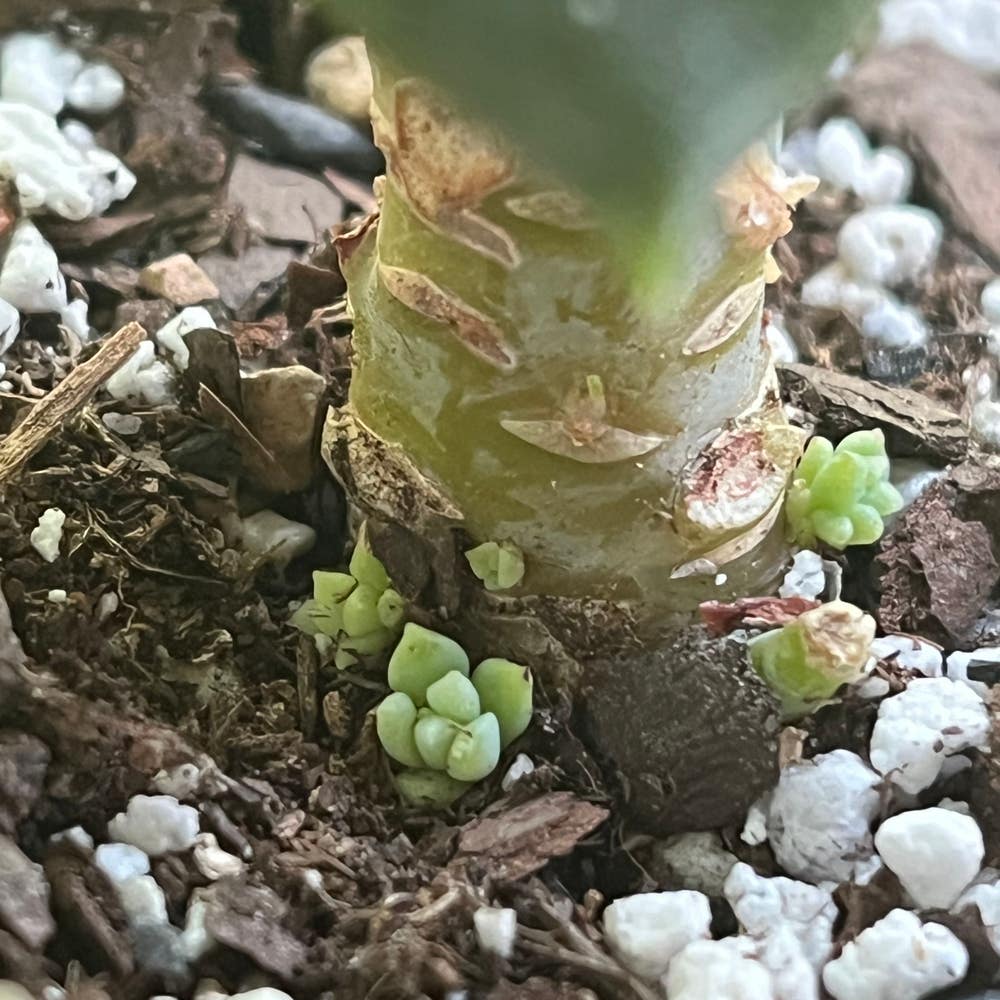
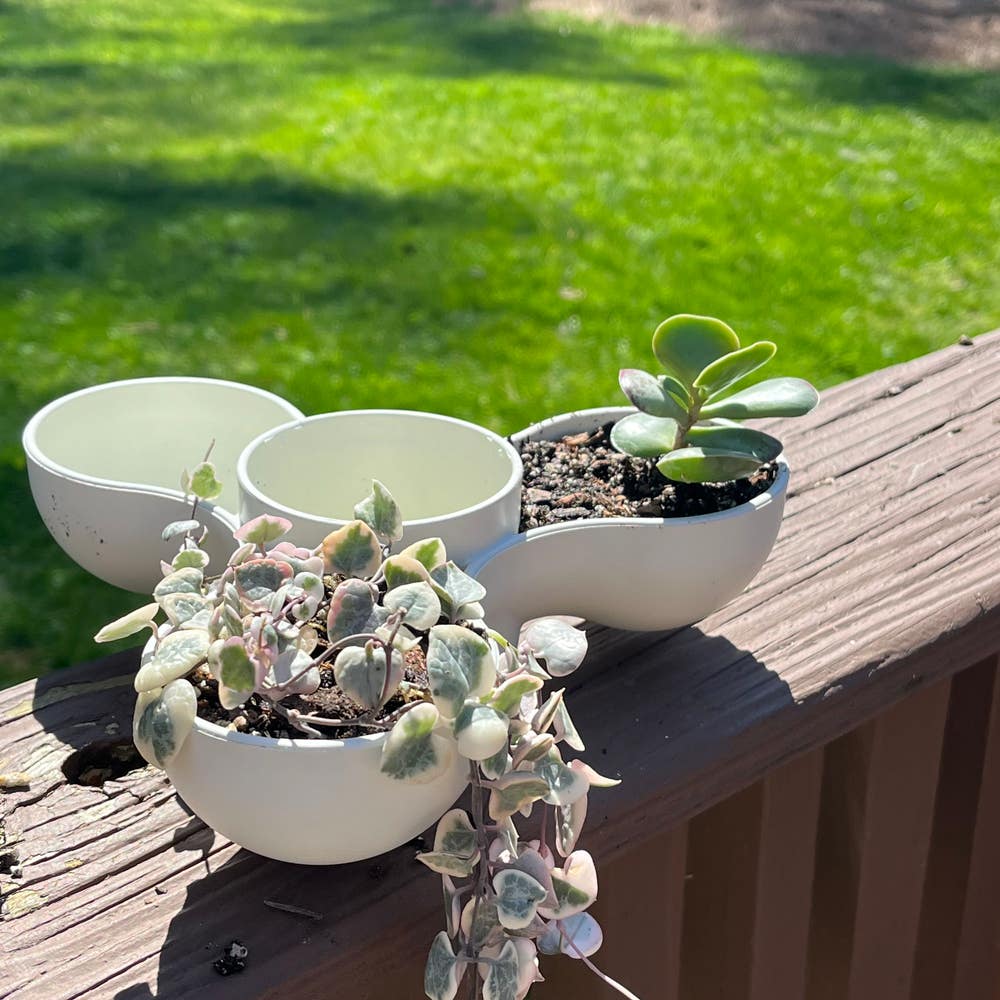
🌞 Why Your Tiscalatengo Gorge Sedum Leaves Are Turning Yellow
Sedum clavatum
By the Greg Editorial Team
Sep 30, 2024•5 min read
This article was created with the help of AI so we can cover more plants for you. May contain errors. See one? Report it here.
Revive your Tiscalatengo Gorge Sedum 🌱 by preventing yellowing leaves with these essential care tips!
- 🌱 Yellow leaves indicate overwatering, underwatering, or nutrient deficiencies. Adjust care accordingly.
- 💧 Ensure well-draining soil to prevent root rot from overwatering.
- 🌞 Provide 6-8 hours of sunlight daily for optimal Tiscalatengo Gorge Sedum health.
Causes of Yellowing Leaves
💧 Overwatering and Its Effects
Overwatering is a common culprit behind yellowing leaves in Tiscalatengo Gorge Sedum. Symptoms include yellowing leaves, especially at the base, and a soft, mushy texture.
If you notice blackened roots upon inspection, root rot may be the issue. To prevent this, ensure your plant is in well-draining soil.
Recommended Watering Frequency
Allow the soil to dry out completely between waterings. Adjust your watering schedule seasonally based on temperature and humidity levels.
🌵 Underwatering and Its Symptoms
Underwatering can also lead to yellowing leaves, particularly at the tips. You might notice a wrinkled or shriveled appearance, and leaf drop can occur as a stress response.
Recommended Watering Frequency
Water your Sedum when the top inch of soil feels dry. Be sure to adjust the frequency based on environmental conditions.
🥦 Nutrient Deficiencies and Pest Infestations
Nutrient deficiencies can significantly impact your plant's health.
Nutrient Deficiencies
Nitrogen Deficiency: Look for general yellowing of older leaves and stunted growth. A balanced NPK fertilizer with higher nitrogen content can help.
Iron Deficiency: This manifests as yellowing between leaf veins. Applying iron chelate can remedy this issue.
Pest Infestations
Pests can also cause yellowing leaves.
Mealybugs: You may see white, cottony masses on your plant, along with yellowing leaves. Manual removal or insecticidal soap can effectively control them.
Aphids: These small insects often hide on the undersides of leaves, leaving a sticky residue. Neem oil or introducing beneficial insects can help manage aphid populations.
🌍 Environmental Stress
Environmental factors play a crucial role in your plant's health.
Temperature and Humidity
The ideal temperature range for Tiscalatengo Gorge Sedum is between 60°F to 80°F (15°C to 27°C). Extreme temperatures can lead to yellowing leaves.
If conditions are too hot or cold, consider moving your plant indoors or providing shade.
Humidity Levels
Low to moderate humidity is best for your Sedum. High humidity can increase the risk of fungal diseases, so ensure good air circulation around your plant.
Understanding these causes will help you take proactive steps to maintain the vibrant health of your Tiscalatengo Gorge Sedum. Next, we’ll explore effective solutions for yellowing leaves.
Solutions for Yellowing Leaves
🌊 Adjusting Watering Practices
Proper watering is crucial for the health of your Tiscalatengo Gorge Sedum. Follow this simple step-by-step guide:
- Check soil moisture with your finger.
- Water thoroughly until it drains from the bottom.
- Allow the soil to dry out completely before the next watering.
This method is easy and effective, ensuring your plant receives just the right amount of moisture.
🌱 Fertilizing Tips
Fertilization plays a vital role in keeping your Sedum vibrant. Aim to fertilize every 4-6 weeks during the growing season.
Use balanced NPK fertilizers or slow-release options to provide essential nutrients. This will help prevent yellowing leaves caused by nutrient deficiencies.
🐞 Pest Control Methods
Organic Methods
For those who prefer natural solutions, consider using neem oil or insecticidal soap. These applications can effectively manage pests without harming your plant.
Additionally, companion planting with pest-repelling plants can create a more resilient garden ecosystem.
Chemical Methods
In cases of severe infestations, systemic insecticides may be necessary. Always follow safety precautions when using chemicals to protect both your plants and the environment.
🌤️ Environmental Adjustments
Creating the right environment is key to preventing yellowing leaves. Ensure your Sedum receives full sun to partial shade, ideally 6-8 hours daily.
During extreme weather conditions, moving your plant indoors can help maintain its health. These adjustments will keep your Sedum thriving and vibrant.
By implementing these solutions, you can effectively address yellowing leaves and promote a healthier plant. Next, let’s explore preventative measures to keep your Sedum in top shape year-round.
Preventative Measures
Best Practices for Care 🌱
Regularly monitoring soil moisture and plant health is crucial for your Tiscalatengo Gorge Sedum. Keeping an eye on these factors helps you catch issues before they escalate.
Seasonal adjustments to care routines can make a significant difference. As the seasons change, so do the needs of your plant.
Ideal Soil Mix 🪴
For optimal growth, use a soil mix that consists of 50% potting mix, 30% perlite, and 20% sand. This combination ensures excellent drainage, which is vital for preventing yellowing leaves.
Good soil drainage is essential for your plant's health. It helps avoid waterlogged conditions that can lead to root rot.
Seasonal Care Tips 🍂
In spring, focus on fertilization and repotting to give your Sedum a fresh start. This is the time to rejuvenate your plant for the growing season ahead.
During summer, increase your watering frequency as temperatures rise. Your plant will appreciate the extra moisture during its active growth phase.
In fall, prepare your Sedum for dormancy. Gradually reduce watering and fertilization to help it transition smoothly.
Regular Maintenance Routines 🔍
Conduct monthly inspections for pests and diseases. Early detection is key to maintaining a healthy plant.
Adjust your care based on seasonal changes. Staying proactive will ensure your Tiscalatengo Gorge Sedum thrives year-round.
By implementing these preventative measures, you can keep your plant vibrant and healthy. Next, let’s explore solutions for yellowing leaves to ensure your Sedum stays in top shape.
⚠️ Safety First
This content is for general information and may contain errors, omissions, or outdated details. It is not medical, veterinary advice, or an endorsement of therapeutic claims.
Always consult a qualified healthcare professional before using any plant as food, medicine, or supplement.
Never eat any plant (or feed one to pets) without confirming its identity with at least two trusted sources.
If you suspect poisoning, call Poison Control (800) 222-1222, the Pet Poison Helpline (800) 213-6680, or your local emergency service immediately.
Spotted an error? Please report it here.
Keep your Tiscalatengo Gorge Sedum thriving 🌿 by using Greg's tailored care reminders to tackle yellowing leaves and ensure optimal health year-round!