📏 Understanding Sedum clavatum Height
Sedum clavatum
By the Greg Editorial Team
Jan 07, 2025•4 min read
This article was created with the help of AI so we can cover more plants for you. May contain errors. See one? Report it here.
Elevate your garden's charm with Sedum clavatum's vibrant growth and adaptability! 🌿✨
- 🌱 Sedum clavatum grows 6-12 inches tall and spreads 12-18 inches wide.
- ☀️ Full sun is essential for optimal growth; insufficient light stunts development.
- ✂️ Regular pruning encourages denser foliage and helps manage size effectively.
Mature Height and Spread
Typical Dimensions 🌱
Sedum clavatum typically reaches a mature height of 6 to 12 inches. Its spread can extend from 12 to 18 inches, making it a versatile choice for various garden settings.
Growth Habits 🌿
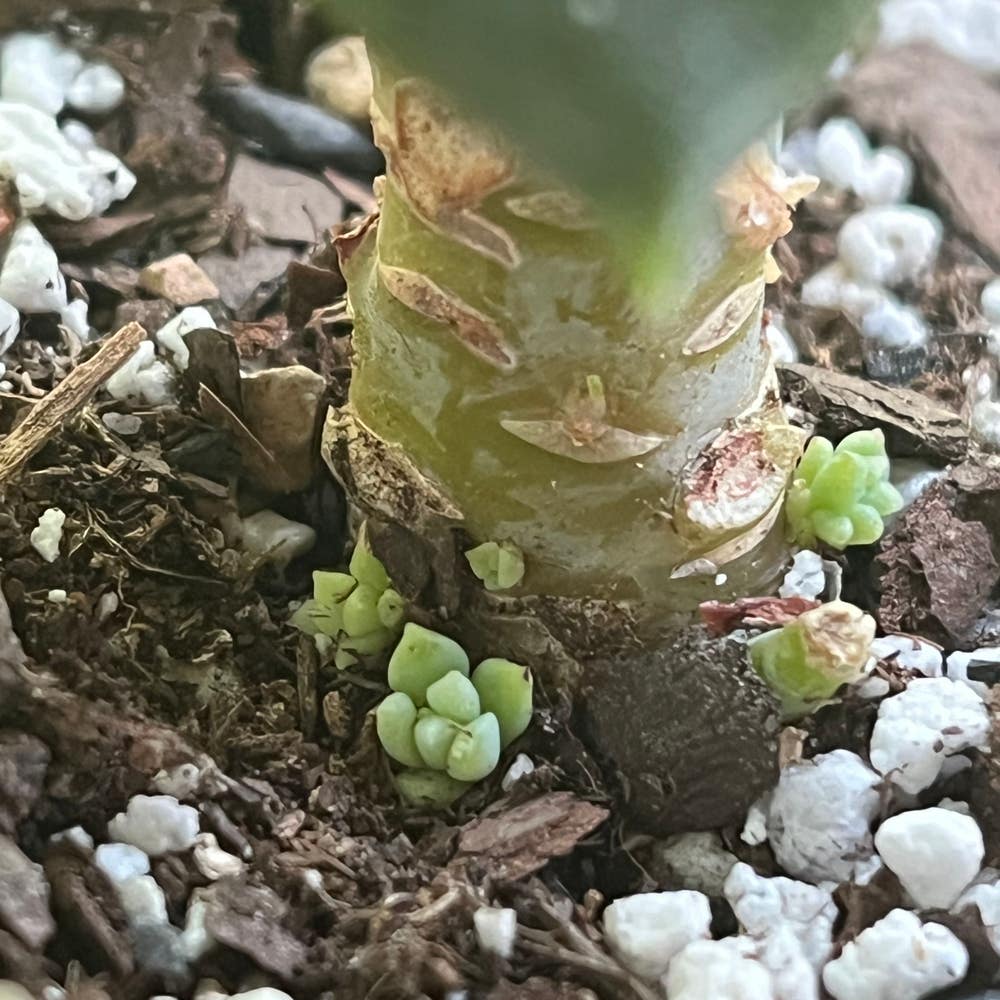
This succulent forms dense rosettes that create a lush ground cover. Its spreading habit allows it to cover more ground over time, providing a vibrant green carpet in your landscape.
Factors Influencing Size 📏
The height and spread of Sedum clavatum can vary significantly based on growing conditions. When compared to other Sedum species, it often showcases a unique adaptability that can influence its overall dimensions.
Understanding these factors can help you cultivate a thriving Sedum clavatum that fits perfectly into your garden design. Next, we'll explore the growth rate and the time it takes for this plant to reach its full size.
Growth Rate and Time to Reach Full Size
Average Growth Rate 🌱
Sedum clavatum boasts a moderate growth rate, typically reaching its mature size within 2 to 3 years. This makes it a relatively quick option for gardeners looking to establish a lush ground cover.
Timeframe for Maturity ⏳
Several factors influence the time it takes for Sedum clavatum to mature. Soil quality, watering practices, and light exposure all play crucial roles in determining how quickly these plants reach their full potential.
Seasonal Growth Patterns 🌸
Understanding seasonal growth patterns can help you anticipate changes in your Sedum's development. Expect noticeable growth spurts during spring and summer, while winter brings a period of dormancy, allowing the plant to conserve energy.
In summary, with the right conditions and care, Sedum clavatum can flourish beautifully in your garden. Next, we’ll explore how environmental factors can affect the size of your plants.
Size Variability Based on Environmental Conditions
🌱 Soil Type and Watering Effects
The soil you choose for your Sedum clavatum plays a crucial role in its growth. Poor soil conditions can severely limit growth, resulting in smaller plants that struggle to thrive.
Optimal watering practices are equally important. Overwatering can lead to root rot, while underwatering can stunt growth, leaving your plants looking less than their best.
☀️ Light Exposure Effects
Light exposure significantly impacts the size of your Sedum clavatum. Full sun encourages optimal growth, allowing the plant to reach its full potential in height and spread.
In contrast, insufficient light can lead to stunted growth. Plants in partial shade may not achieve their desired size, resulting in a less vibrant display in your garden.
Understanding these environmental factors can help you create the ideal conditions for your Sedum clavatum to flourish. Next, let’s explore the different varieties of Sedum and how they vary in size and growth habits.
Varieties
Dwarf Varieties 🌱
Dwarf Sedum varieties are a compact choice for gardeners, typically reaching heights of just 4-6 inches. These little gems thrive in similar conditions as their larger counterparts but require careful monitoring to prevent overgrowth.
Giant Varieties 🌳
On the other end of the spectrum, giant Sedum varieties can exceed 12 inches in height when given optimal conditions. While dwarf varieties offer a neat appearance, giant forms can create a striking focal point in your garden.
Growth Habit Comparison 📏
Dwarf Sedum tends to form tight clusters, making them perfect for ground cover. In contrast, giant varieties often spread out more, creating a lush, vibrant display that can dominate a space.
Understanding these varieties helps you choose the right Sedum for your garden's aesthetic and functional needs. Whether you prefer the compact charm of dwarf varieties or the bold presence of giants, there's a Sedum for every gardener's vision.
Next, let’s explore how to control the size of these fascinating plants to fit your garden design.
Controlling Size
Pruning Techniques for Size Management 🌿
To keep your Sedum clavatum in check, regular pruning is essential. Pinching back growth encourages denser foliage and prevents the plant from becoming leggy.
Timing is crucial for effective pruning. The best time to prune is early spring, just before new growth begins, ensuring your plant thrives throughout the growing season.
Other Methods to Control Growth 🌱
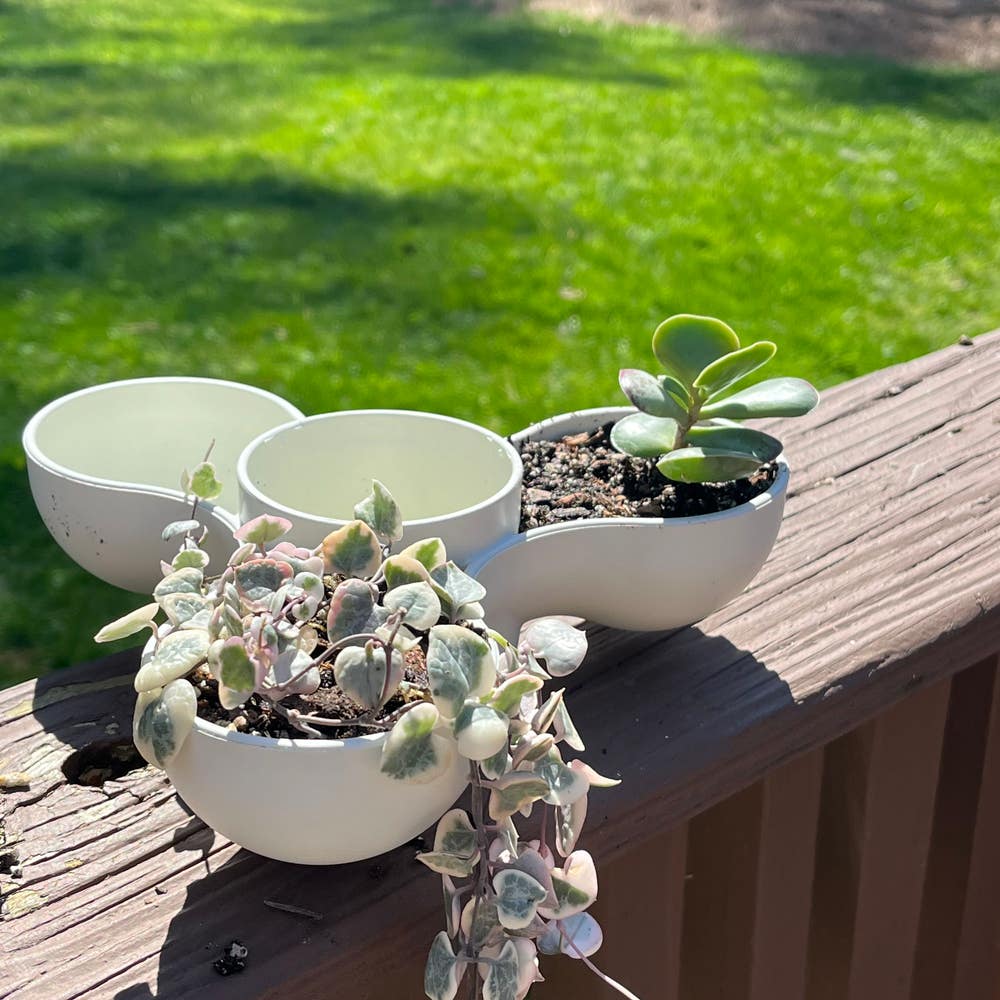
Pot size plays a significant role in managing the size of your Sedum. Using smaller pots can restrict growth, helping maintain a compact and manageable plant.
Soil amendments can also be beneficial. Adding sand or gravel improves drainage, which can limit excessive growth and keep your Sedum looking its best.
By combining these techniques, you can effectively control the size of your Sedum clavatum while promoting a healthy and vibrant plant. Next, let’s explore the various Sedum varieties and their unique characteristics.
⚠️ Safety First
This content is for general information and may contain errors, omissions, or outdated details. It is not medical, veterinary advice, or an endorsement of therapeutic claims.
Always consult a qualified healthcare professional before using any plant as food, medicine, or supplement.
Never eat any plant (or feed one to pets) without confirming its identity with at least two trusted sources.
If you suspect poisoning, call Poison Control (800) 222-1222, the Pet Poison Helpline (800) 213-6680, or your local emergency service immediately.
Spotted an error? Please report it here.
Unlock the full potential of your Sedum clavatum 🌱 with Greg's custom watering alerts and expert care tips, ensuring your garden flourishes beautifully all year round!