Sedum clavatum is Not an Invasive Plant 🌵
Sedum clavatum
By the Greg Editorial Team
Jan 07, 2025•6 min read
This article was created with the help of AI so we can cover more plants for you. May contain errors. See one? Report it here.
Enhance your garden's beauty and biodiversity 🌱 with Sedum clavatum, the perfect non-invasive succulent for eco-friendly spaces!
- 🌱 Sedum clavatum is non-invasive, making it a safe and sustainable garden choice.
- 🌼 Attracts pollinators with its star-shaped flowers, enhancing garden biodiversity.
- 💧 Drought-tolerant and low-maintenance, perfect for xeriscaping and diverse settings.
Plant Classification
🌱 Definition of Invasive Species
Invasive species are plants that exhibit aggressive growth, allowing them to outcompete native flora. They often disrupt local ecosystems, leading to negative impacts on biodiversity and soil health.
🌵 Explanation of Sedum clavatum's Classification
Sedum clavatum stands apart from invasive plants due to its controlled growth habits. This succulent does not spread aggressively, making it a safe choice for gardens.
🤔 Comparison with Invasive Plants
When compared to invasive species, Sedum clavatum shows a more restrained growth behavior. Unlike aggressive invaders, it contributes positively to its environment without overwhelming native plants.
This distinction highlights the importance of choosing the right plants for your garden. By selecting non-invasive options like Sedum clavatum, you can support local ecosystems while enjoying the beauty of your garden.
Growth Habits
🌱 Typical Growth Patterns
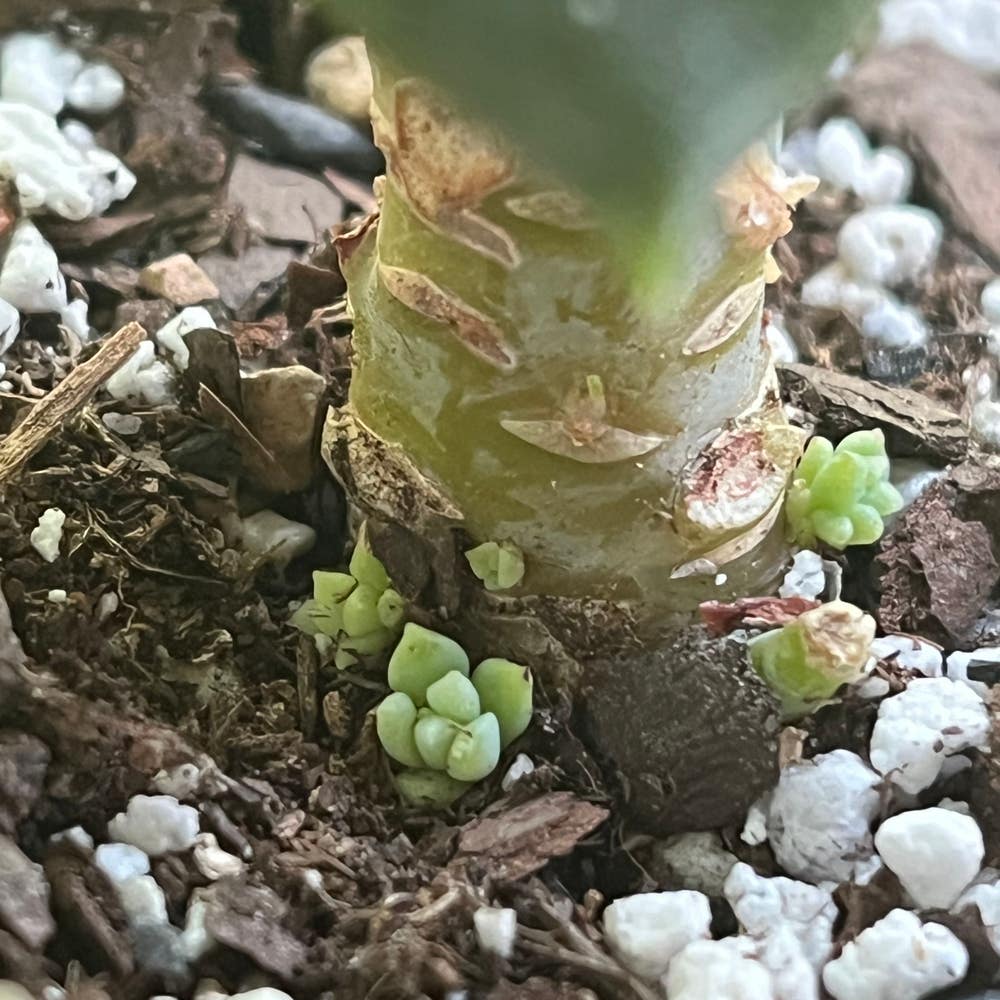
Sedum clavatum typically grows to a height of 6-12 inches, forming a striking rosette shape. This plant produces offsets that help it spread, showcasing its unique growth form.
In terms of seasonal behavior, Sedum clavatum thrives during spring and summer, entering a dormant phase in winter. This seasonal rhythm allows it to conserve energy while still providing visual interest in the warmer months.
🚧 Natural Limits to Growth
Unlike many aggressive plants, Sedum clavatum has natural limits to its growth. It spreads primarily through offsets rather than invasive rooting, which keeps its growth in check.
Several factors influence its growth limits, including soil quality, water availability, and sunlight exposure. These elements play a crucial role in determining how well Sedum clavatum can flourish in your garden.
🌞 Environmental Conditions for Optimal Growth
For optimal growth, Sedum clavatum prefers well-drained, sandy, or rocky soil. This type of soil allows for proper drainage, which is essential for the plant's health.
In terms of sunlight, it thrives best in full sun to partial shade, requiring about 6-8 hours of sunlight daily. Its remarkable drought tolerance makes it an excellent choice for xeriscaping, allowing it to flourish even in low-water conditions.
By understanding these growth habits, you can successfully incorporate Sedum clavatum into your garden, ensuring it thrives while adding beauty and resilience to your landscape. Next, let’s explore its ecological role and the benefits it brings to gardens and wildlife alike.
Ecological Role
🌱 Benefits in Gardens
Sedum clavatum plays a vital role in enhancing garden ecosystems. Its ability to improve soil health and control erosion makes it a valuable addition to any landscape.
As a ground cover plant, it effectively suppresses weeds, allowing other plants to thrive without competition. This not only promotes a healthier garden but also reduces the need for chemical weed control.
🐝 Positive Interactions with Wildlife
One of the most delightful aspects of Sedum clavatum is its attraction to pollinators. During summer, its small, star-shaped yellow flowers draw in bees and butterflies, creating a lively and vibrant garden atmosphere.
Moreover, this plant provides essential habitat for beneficial insects. By supporting these creatures, Sedum clavatum contributes to a balanced and thriving ecosystem.
🌍 Contribution to Biodiversity
Incorporating Sedum clavatum into your garden enhances biodiversity significantly. It offers food and shelter for various species, fostering a rich environment for wildlife.
By planting this non-invasive succulent, you help create a diverse habitat that supports the local ecosystem. This not only benefits the plants and animals but also enriches your gardening experience.
As we explore more about garden management, consider how Sedum clavatum can fit into your design plans.
Garden Management
Incorporating into Garden Designs 🌿
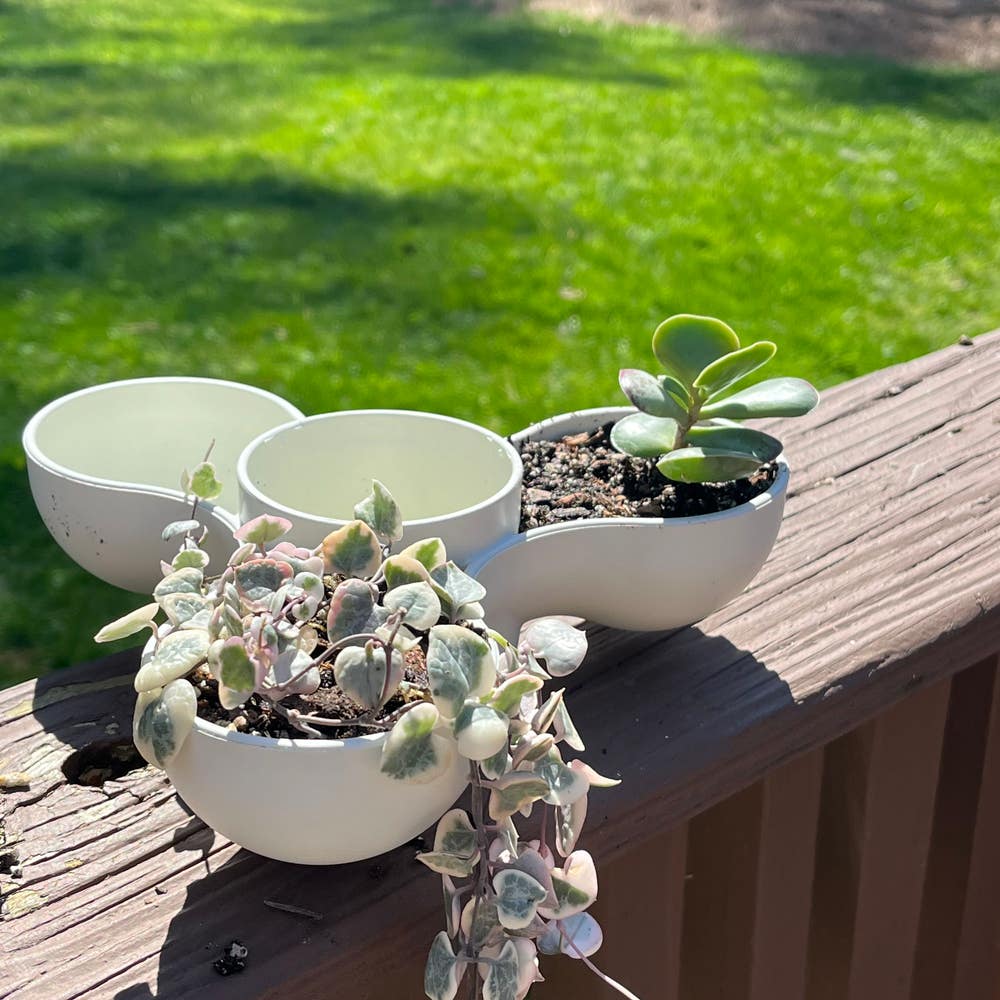
Sedum clavatum thrives in various garden settings, making it a versatile choice for your landscape. Ideal planting locations include rock gardens, container gardens, and mixed borders, where its unique form can shine.
For a visually appealing arrangement, consider grouping Sedum clavatum with other drought-tolerant plants. This not only enhances aesthetic value but also creates a harmonious ecosystem that thrives on minimal water.
Aesthetic Considerations 🎨
The blue-green leaves of Sedum clavatum offer a striking contrast in garden designs. Their rosette shape adds texture and depth, making your garden visually engaging throughout the seasons.
In summer, the plant's small, star-shaped yellow flowers bloom, providing seasonal interest and attracting pollinators. This burst of color can elevate the overall look of your garden.
Growth Control Methods ✂️
To maintain the health and appearance of Sedum clavatum, regular maintenance is essential. Pruning and deadheading will encourage robust growth and prevent overcrowding.
When it comes to watering, this plant requires minimal attention. Allow the soil to dry between watering sessions to prevent root rot and promote healthy development.
For fertilization, a light feeding with a balanced fertilizer during the growing season will suffice. This simple care routine ensures your Sedum clavatum remains vibrant and thriving.
Incorporating Sedum clavatum into your garden not only enhances its beauty but also supports sustainable practices. Next, let's explore how this plant interacts positively with wildlife and contributes to biodiversity.
Comparison to Other Plants
🌱 Similar Non-Invasive Plants
When considering non-invasive succulents and ground cover plants, Sedum clavatum stands out among a variety of options. Other popular choices include various Sedum species, Echeveria, and other drought-tolerant plants that share similar growth habits and aesthetic appeal.
🌟 Unique Qualities
Sedum clavatum is particularly notable for its distinctive rosette shape and striking blue-green color. This unique appearance, combined with its low maintenance requirements, makes it an adaptable choice for various garden settings.
🌼 Benefits of Choosing Sedum clavatum
Opting for Sedum clavatum brings numerous advantages. Its exceptional drought tolerance ensures it thrives in low-water conditions, while its aesthetic appeal enhances garden beauty. Additionally, it contributes positively to the ecosystem, supporting local wildlife and promoting biodiversity.
Incorporating Sedum clavatum into your garden not only enriches your space but also aligns with sustainable gardening practices. Its resilience and charm make it a fantastic choice for any gardener looking to create a vibrant, eco-friendly landscape.
Legal and Environmental Considerations
🌱 Relevant Classifications and Guidelines
Understanding local regulations is crucial when planting non-invasive species like Sedum clavatum. Many regions have guidelines that encourage the use of native and non-invasive plants to protect local ecosystems.
These regulations often aim to prevent the introduction of invasive species that can disrupt natural habitats. By choosing Sedum clavatum, gardeners can align with these guidelines and contribute positively to their environment.
♻️ Role in Sustainable Gardening
Sedum clavatum plays a significant role in sustainable gardening practices. Its drought tolerance means it requires less water, making it an excellent choice for water conservation efforts.
Additionally, this plant supports biodiversity by providing habitats for various beneficial insects. Incorporating Sedum clavatum into your garden can enhance ecological balance while reducing resource consumption.
🌍 Environmental Impact
The environmental impact of Sedum clavatum is largely positive. By promoting soil health and preventing erosion, it contributes to a more stable ecosystem.
Moreover, its ability to attract pollinators helps sustain local wildlife populations. This makes Sedum clavatum not just a beautiful addition to gardens, but also a vital player in promoting ecological harmony.
As we move forward, let’s explore how to incorporate Sedum clavatum into garden designs effectively.
⚠️ Safety First
This content is for general information and may contain errors, omissions, or outdated details. It is not medical, veterinary advice, or an endorsement of therapeutic claims.
Always consult a qualified healthcare professional before using any plant as food, medicine, or supplement.
Never eat any plant (or feed one to pets) without confirming its identity with at least two trusted sources.
If you suspect poisoning, call Poison Control (800) 222-1222, the Pet Poison Helpline (800) 213-6680, or your local emergency service immediately.
Spotted an error? Please report it here.
Elevate your garden with Sedum clavatum's beauty 🌼 and let Greg guide you with personalized care tips and reminders to ensure this non-invasive succulent thrives effortlessly!