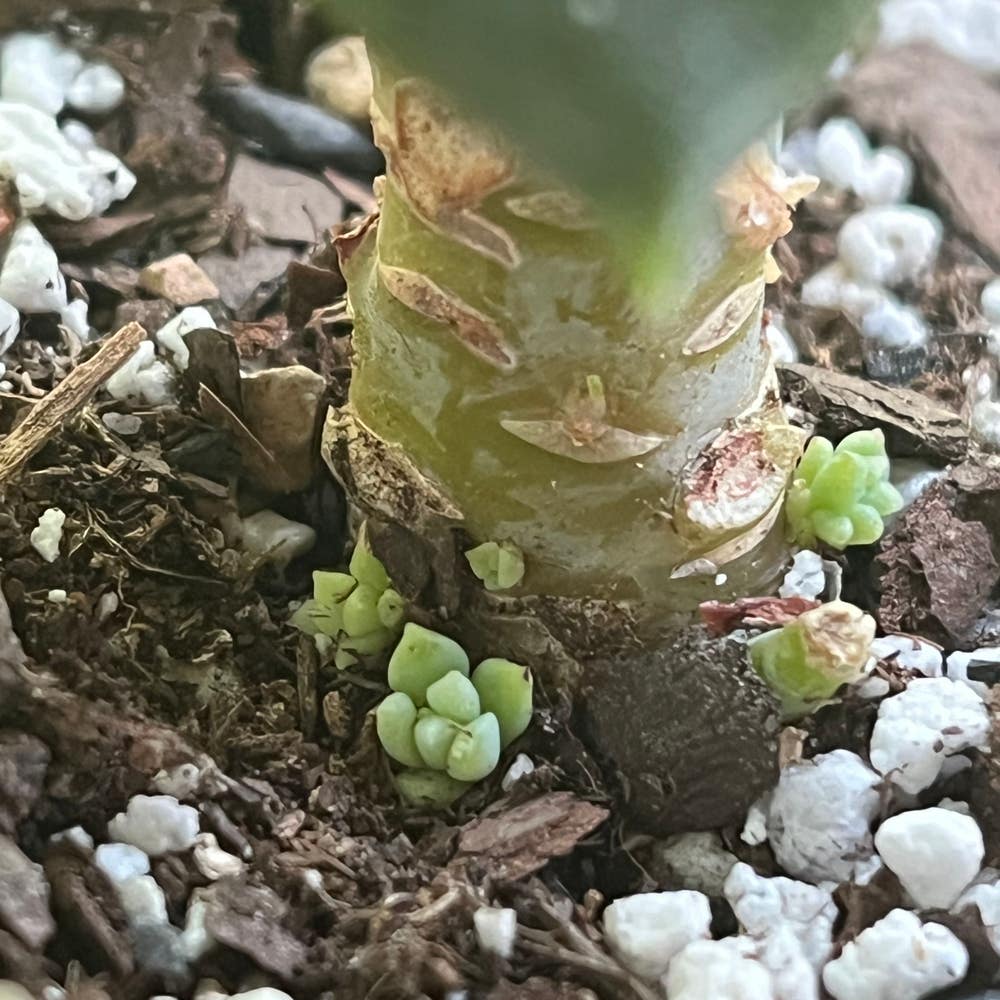
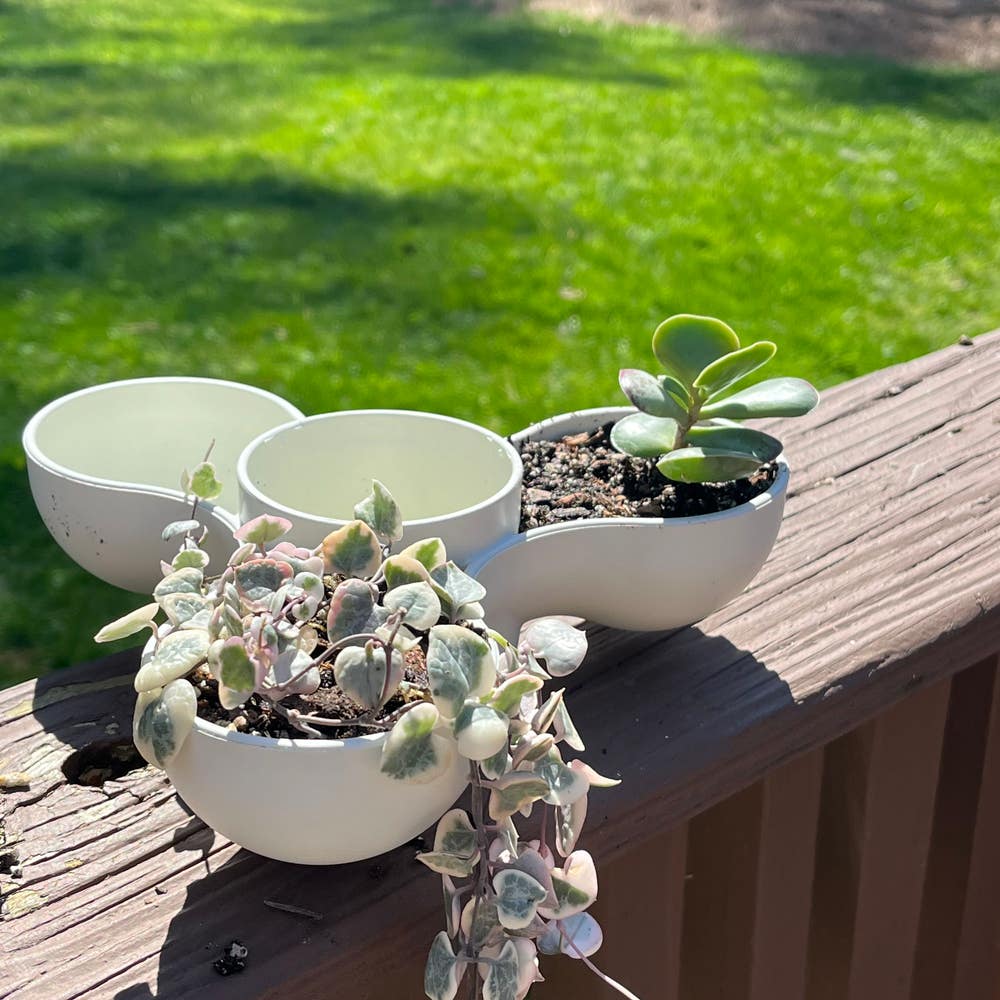
🔍 Identifying What is Eating Your Tiscalatengo Gorge Sedum
Sedum clavatum
By the Greg Editorial Team
Sep 30, 2024•7 min read
This article was created with the help of AI so we can cover more plants for you. May contain errors. See one? Report it here.
Safeguard your Tiscalatengo Gorge Sedum from herbivores while boosting your garden's beauty and biodiversity! 🌱
- 🌱 Tiscalatengo Gorge Sedum attracts herbivores; manage them for healthy growth.
- 🦌 Deer, rabbits, and squirrels threaten Sedum; use fences and netting for protection.
- 🐝 Beneficial insects enhance garden health; create habitats to attract them.
Appearance and Appeal
Description 🌼
The Tiscalatengo Gorge Sedum boasts thick, fleshy leaves that store water, making it a resilient choice for gardens. Its vibrant flowers bloom in late summer, attracting a variety of pollinators, adding both beauty and ecological value.
Growth Habit 🌱
This low-growing, mat-forming plant is ideal for rock gardens, creating a lush carpet of greenery. Its adaptability allows it to thrive in various conditions, making it a favorite among gardeners.
Most Appealing Parts to Animals 🐾
Herbivores are particularly drawn to the juicy, nutrient-rich fruits of the Sedum. The bright, nectar-rich flowers not only entice pollinators but also attract various herbivores seeking a tasty treat.
Young Shoots 🥬
Tender young shoots are another target for herbivores, offering a nutritious snack that can hinder the plant's growth if not managed. Understanding these appealing features helps gardeners protect their Sedum from potential threats.
In the next section, we will explore the common herbivores that may pose a risk to your Tiscalatengo Gorge Sedum and how to identify their presence.
Common Herbivores
🦌 Deer
Signs of Presence
Look for distinct hoof prints in the soil and dark, pellet-like droppings near your Tiscalatengo Gorge Sedum. These signs indicate that deer are frequent visitors.
Type of Damage Caused
Deer browsing can strip leaves and stems, leading to stunted growth. This can severely impact the plant's overall health.
Beneficial vs. Harmful Interaction
Generally, deer interactions are harmful. Without management, they can decimate plant populations.
Deterrent Methods
To keep deer at bay, consider installing 8-foot tall fences. You can also use commercial deer repellents or homemade solutions like garlic spray for added protection.
🐇 Rabbits
Signs of Presence
Rabbits leave behind clean cuts on young shoots and small, round droppings scattered around. These signs are telltale indicators of their presence.
Type of Damage Caused
Grazing by rabbits can lead to the consumption of young plants and flowers, hindering their growth. This can be particularly damaging in early stages.
Beneficial vs. Harmful Interaction
Rabbits are generally harmful to your plants. Their feeding habits can result in significant plant loss.
Deterrent Methods
To deter rabbits, cover your plants with netting. You can also use organic repellents, such as cayenne pepper, to keep them away.
🐿️ Squirrels
Signs of Presence
Squirrels often disturb the soil around the base of plants and leave irregular bite marks on foliage. These signs indicate their foraging activities.
Type of Damage Caused
Foraging squirrels can eat leaves and fruits, leading to reduced vigor in your plants. This can affect their overall health.
Beneficial vs. Harmful Interaction
Interactions with squirrels are generally harmful. Their activities can negatively impact plant vitality.
Deterrent Methods
To manage squirrels, use scare tactics like reflective objects or noise-making devices. Live traps can also be effective for relocation.
🐦 Birds
Signs of Presence
Look for peck marks on leaves or flowers and nests nearby. These signs suggest bird activity in your garden.
Type of Damage Caused
Birds can consume seeds and flowers, impacting reproduction. This can hinder your plant's ability to thrive.
Beneficial vs. Harmful Interaction
Bird interactions are mixed. While some birds help with pest control, others can cause damage to your plants.
Deterrent Methods
To deter birds, use decoys like fake predators or hang shiny materials to scare them away. These methods can help protect your plants.
🐭 Rodents (Mice, Voles)
Signs of Presence
Rodents leave small burrows or pathways in the soil and gnaw marks on leaves and stems. These signs indicate their presence.
Type of Damage Caused
Gnawing by rodents can damage roots and stems, leading to plant decline. This can significantly affect plant health.
Beneficial vs. Harmful Interaction
Rodent interactions are generally harmful. They can cause considerable damage to your plants.
Deterrent Methods
For rodent control, consider using snap traps or live traps for removal. Encouraging natural predators like owls or hawks can also help.
🦡 Groundhogs/Woodchucks
Signs of Presence
Look for large burrows near your plants and distinctive bite marks on stems and leaves. These signs indicate groundhog activity.
Type of Damage Caused
Groundhogs can graze on entire plants, leading to significant loss. This can devastate your garden area.
Beneficial vs. Harmful Interaction
Interactions with groundhogs are generally harmful. They can wreak havoc on your plants if not managed.
Deterrent Methods
To deter groundhogs, bury fencing underground to prevent burrowing. You can also use commercial or homemade repellents like castor oil for added protection.
Understanding these common herbivores and their impact on your Tiscalatengo Gorge Sedum is crucial for maintaining a healthy garden. With the right deterrent methods, you can protect your plants and enjoy their beauty for years to come.
Beneficial Animals and Ecosystem Impact
🐞 Description of Beneficial Insects
Beneficial insects play a crucial role in maintaining the health of your Tiscalatengo Gorge Sedum. Pollinators like bees and butterflies are drawn to the vibrant flowers, ensuring effective pollination.
Predatory insects, such as ladybugs and lacewings, help control pest populations. Their presence can significantly reduce the need for chemical interventions, promoting a healthier garden ecosystem.
🌱 Positive Impacts
The enhanced pollination from these beneficial insects leads to better seed production. This not only supports the growth of your Sedum but also contributes to the overall biodiversity of your garden.
Natural pest control provided by predatory insects minimizes the reliance on harmful chemicals. This creates a more sustainable environment, benefiting both your plants and the surrounding ecosystem.
Incorporating beneficial insects into your gardening strategy can yield impressive results. By fostering a welcoming habitat for these creatures, you can enjoy a flourishing garden while supporting nature's balance.
As you consider the impact of these beneficial animals, remember that their presence can make a significant difference in your garden's health. Next, we’ll explore general strategies for protecting your Sedum from herbivores while enhancing its resilience.
General Strategies for Protection
🛡️ Preventive Measures
Choosing the right location for your Tiscalatengo Gorge Sedum can make a significant difference. Opt for spots that are less accessible to herbivores, such as elevated areas or those surrounded by less appealing plants.
Companion planting is another effective strategy. Pairing your sedum with plants that deter herbivores or attract beneficial insects can create a natural barrier and enhance your garden's ecosystem.
⚠️ Reactive Solutions
Regular monitoring is crucial for early detection of herbivore activity. Keep an eye out for signs like chewed leaves or droppings to address issues before they escalate.
Integrated pest management combines various methods for effective control. This approach allows you to adapt your strategies based on the specific challenges you face, ensuring a healthier garden.
🌱 Seasonal Considerations
Understanding seasonal behavior is key to protecting your plants. Be particularly vigilant in spring and early summer when herbivore activity tends to spike, as many animals are foraging for food during this time.
By implementing these strategies, you can create a thriving environment for your Tiscalatengo Gorge Sedum while minimizing the impact of herbivores. Next, let’s explore the toxicity and safety of this resilient plant.
Toxicity and Safety
💬 Discussion of Toxic Effects
Tiscalatengo Gorge Sedum exhibits mild toxicity in some of its parts. This characteristic can deter certain herbivores, providing a natural defense mechanism for the plant.
⚖️ Implications for Interactions
The balance between attraction and deterrence is crucial. While the vibrant flowers and succulent leaves draw in pollinators and herbivores alike, their mild toxicity can help protect the plant from excessive grazing.
Understanding this dynamic can empower gardeners to appreciate the plant's dual role in the ecosystem. By leveraging its natural defenses, you can cultivate a thriving garden that attracts beneficial species while minimizing damage from herbivores.
As we explore further, let’s look at the beneficial animals that contribute positively to the ecosystem surrounding Tiscalatengo Gorge Sedum.
⚠️ Safety First
This content is for general information and may contain errors, omissions, or outdated details. It is not medical, veterinary advice, or an endorsement of therapeutic claims.
Always consult a qualified healthcare professional before using any plant as food, medicine, or supplement.
Never eat any plant (or feed one to pets) without confirming its identity with at least two trusted sources.
If you suspect poisoning, call Poison Control (800) 222-1222, the Pet Poison Helpline (800) 213-6680, or your local emergency service immediately.
Spotted an error? Please report it here.
Keep your Tiscalatengo Gorge Sedum thriving 🌼 by using Greg's tailored alerts and tips to fend off herbivores and enjoy its stunning blooms for years to come!